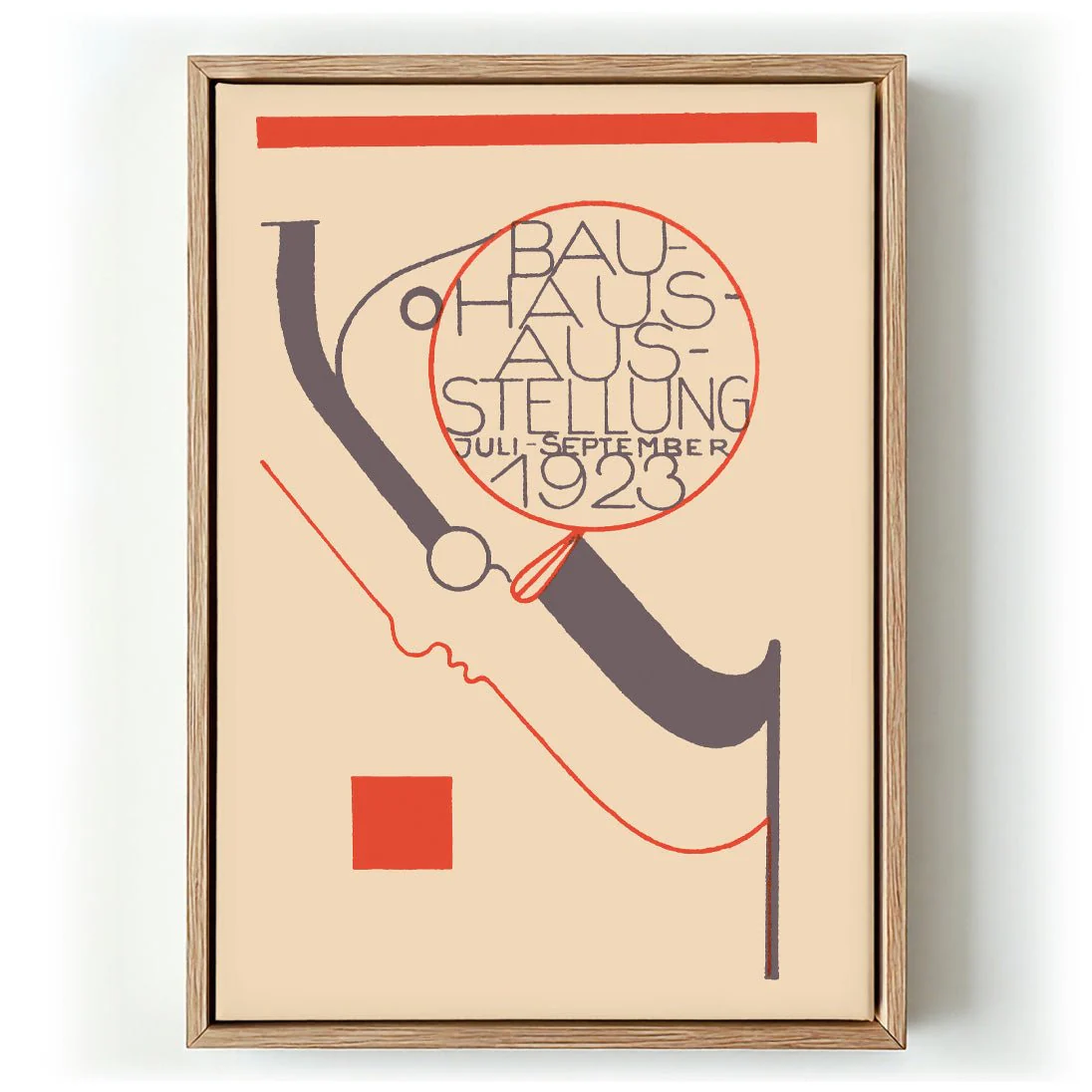
Bauhaus Exhibitions by Oskar Schlemmer 1922-1923
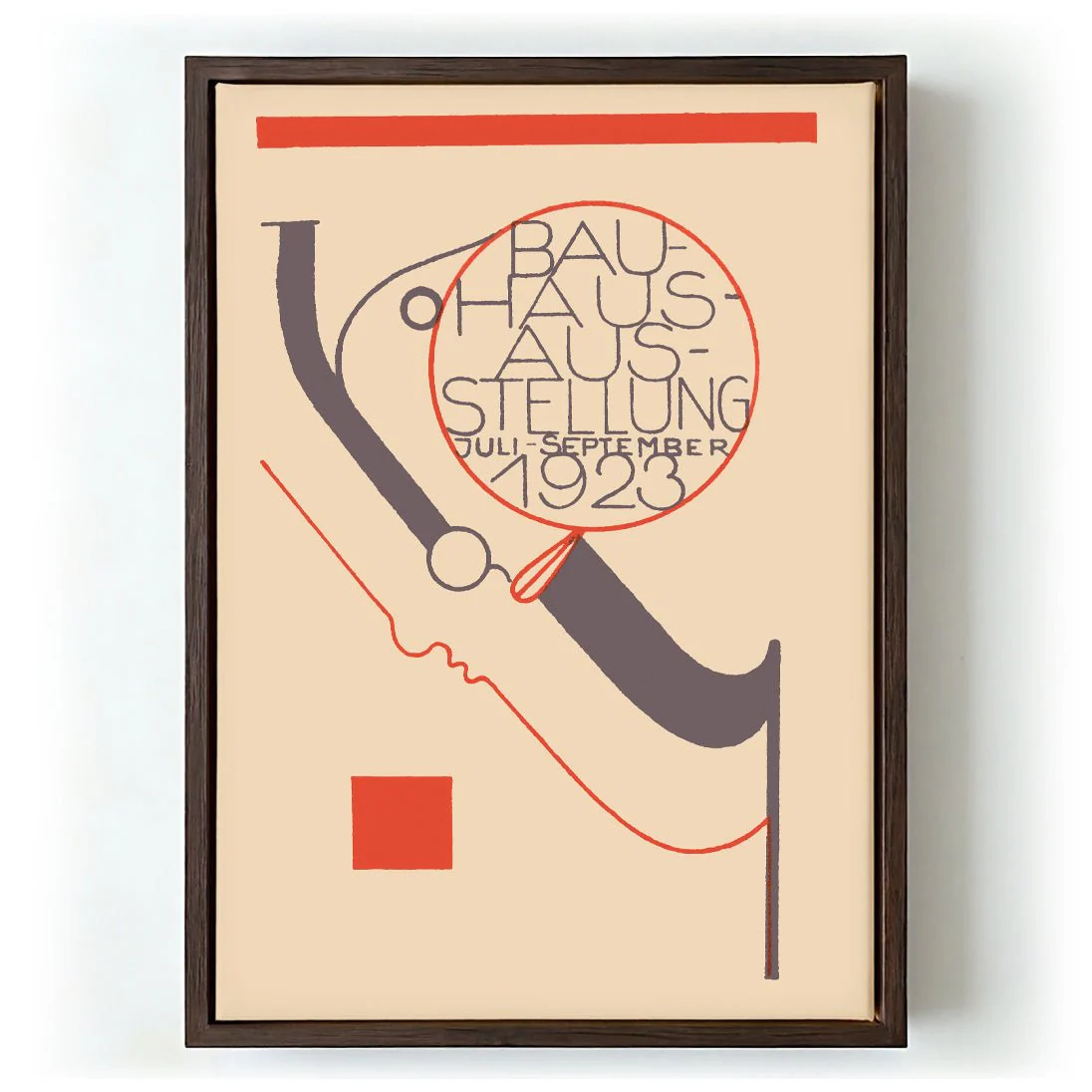
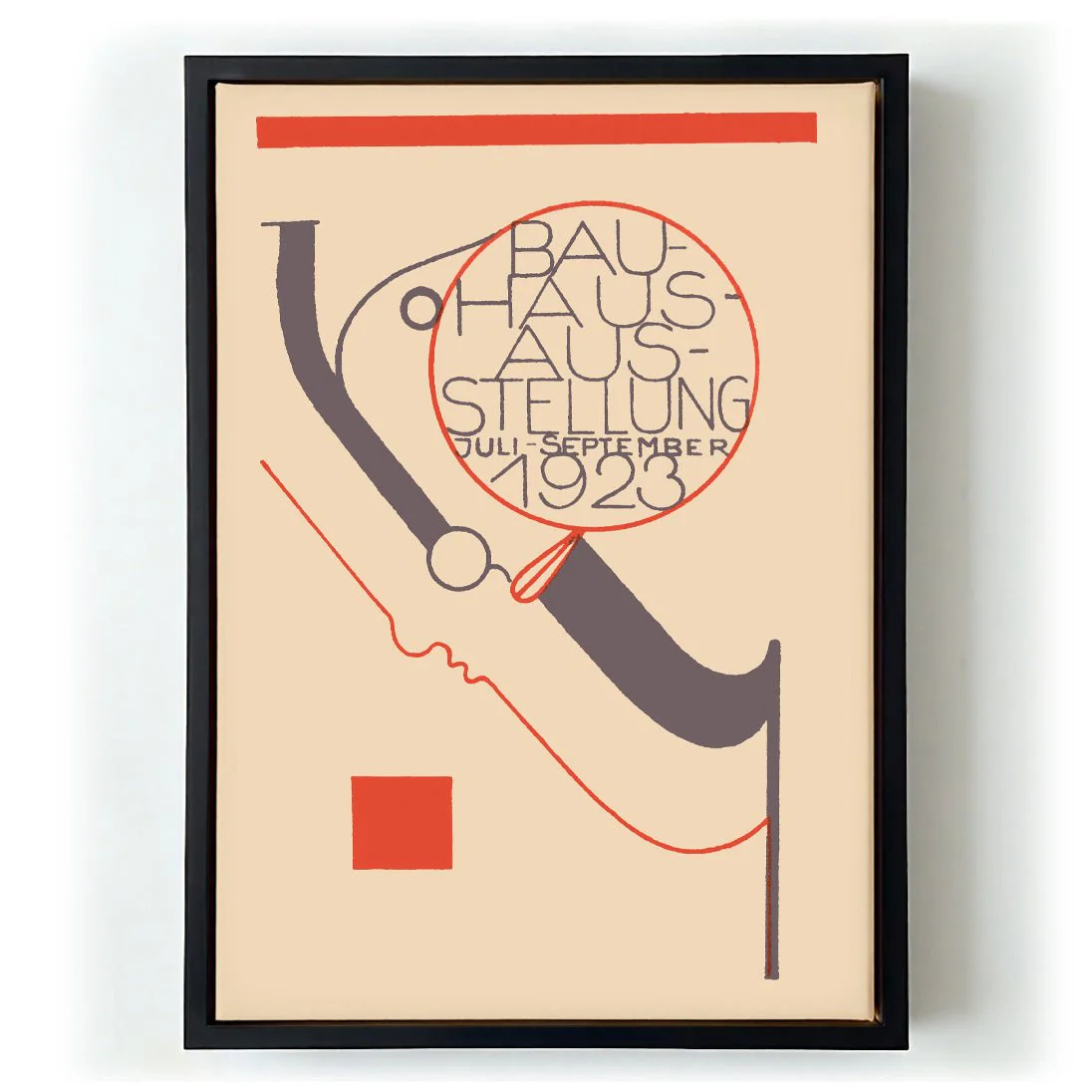
Oskar Schlemmer's exhibition graphic from 1922–23 distils the Bauhaus ethos into a single image: a stylised human profile rendered in clean geometric planes, reduced to essential form without losing its human presence. The composition exemplifies the Bauhaus interest in the relationship between the body and architecture — the figure becomes structure, the face a geometric construction. Bold typography and flat colour fields complete the design, producing a poster that functions as both announcement and aesthetic argument for the school's vision of modern art and design.
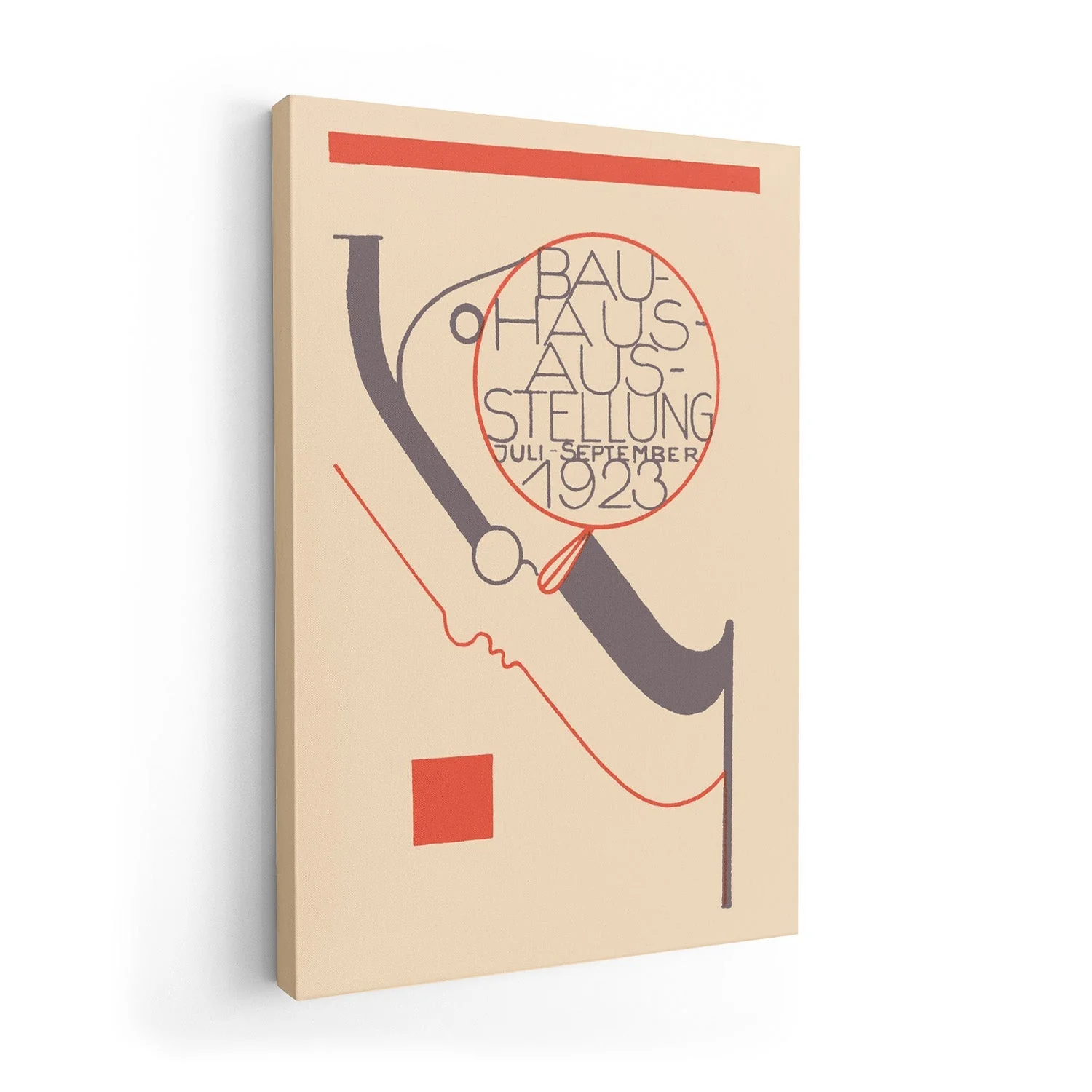
Produced as a canvas print on cotton canvas with archival Japanese pigment inks, Schlemmer's geometric figure gains a warmth and tactile presence from the woven surface, the restrained palette resonating with quiet depth and visual weight.
Original: $38.34
-65%$38.34
$13.42More Images
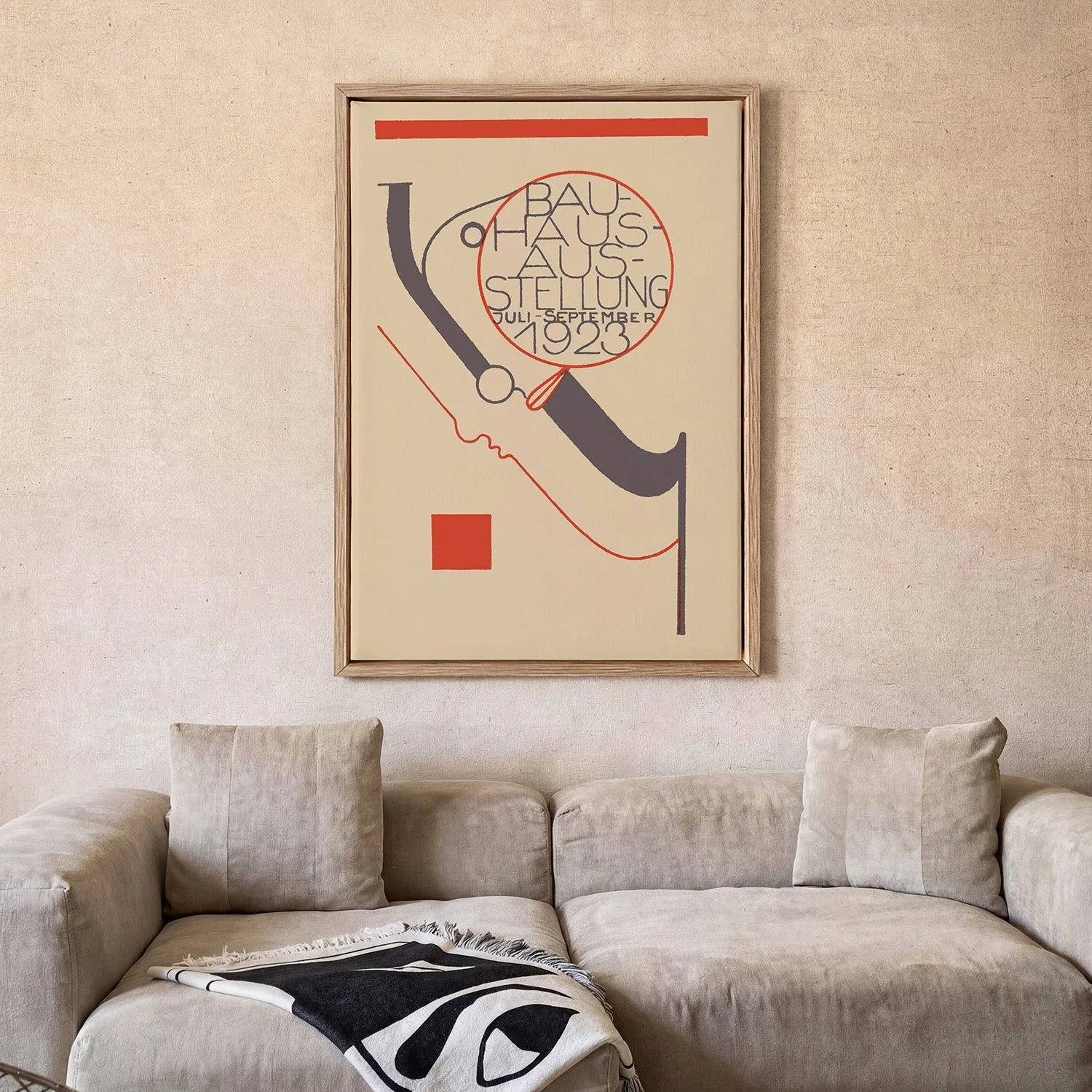
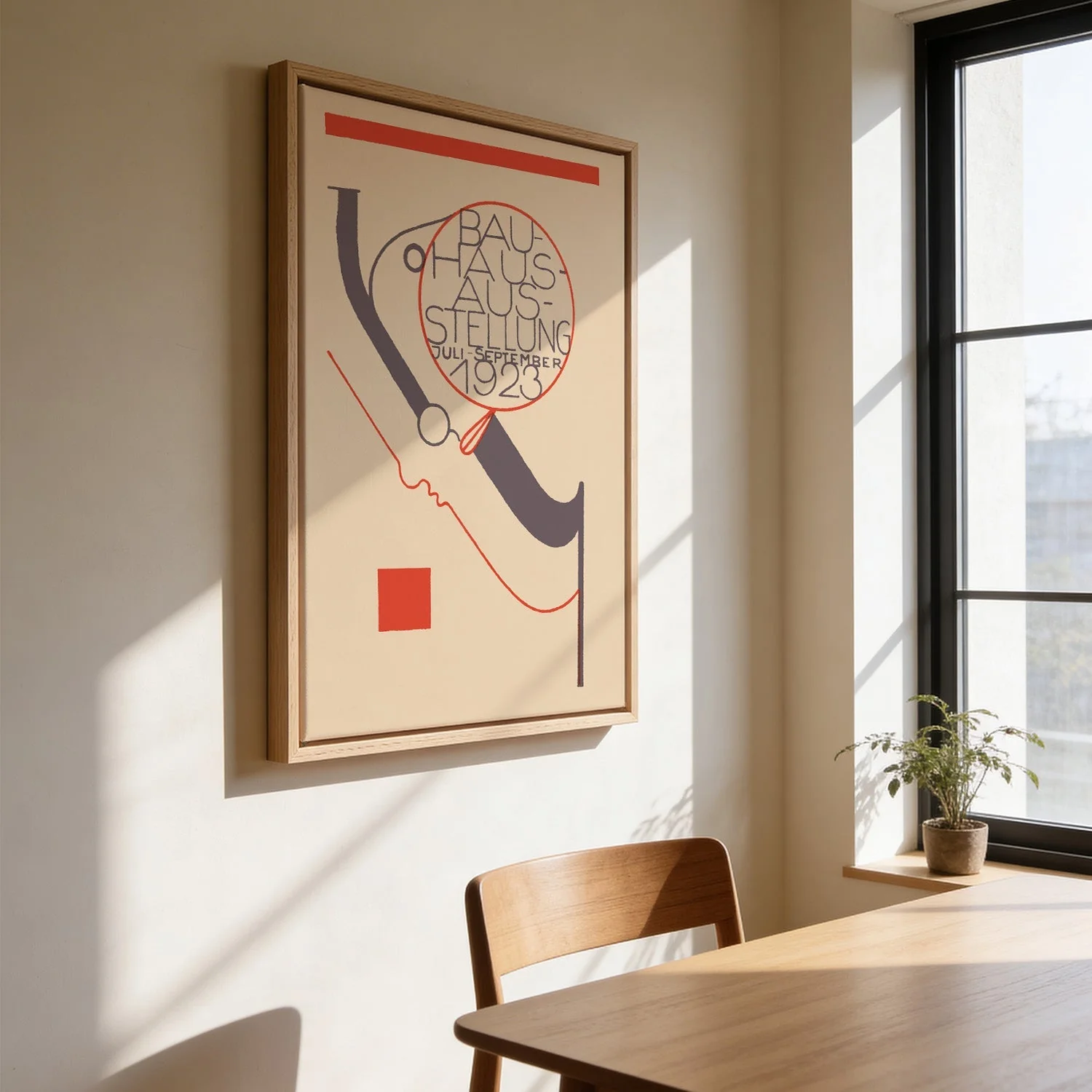
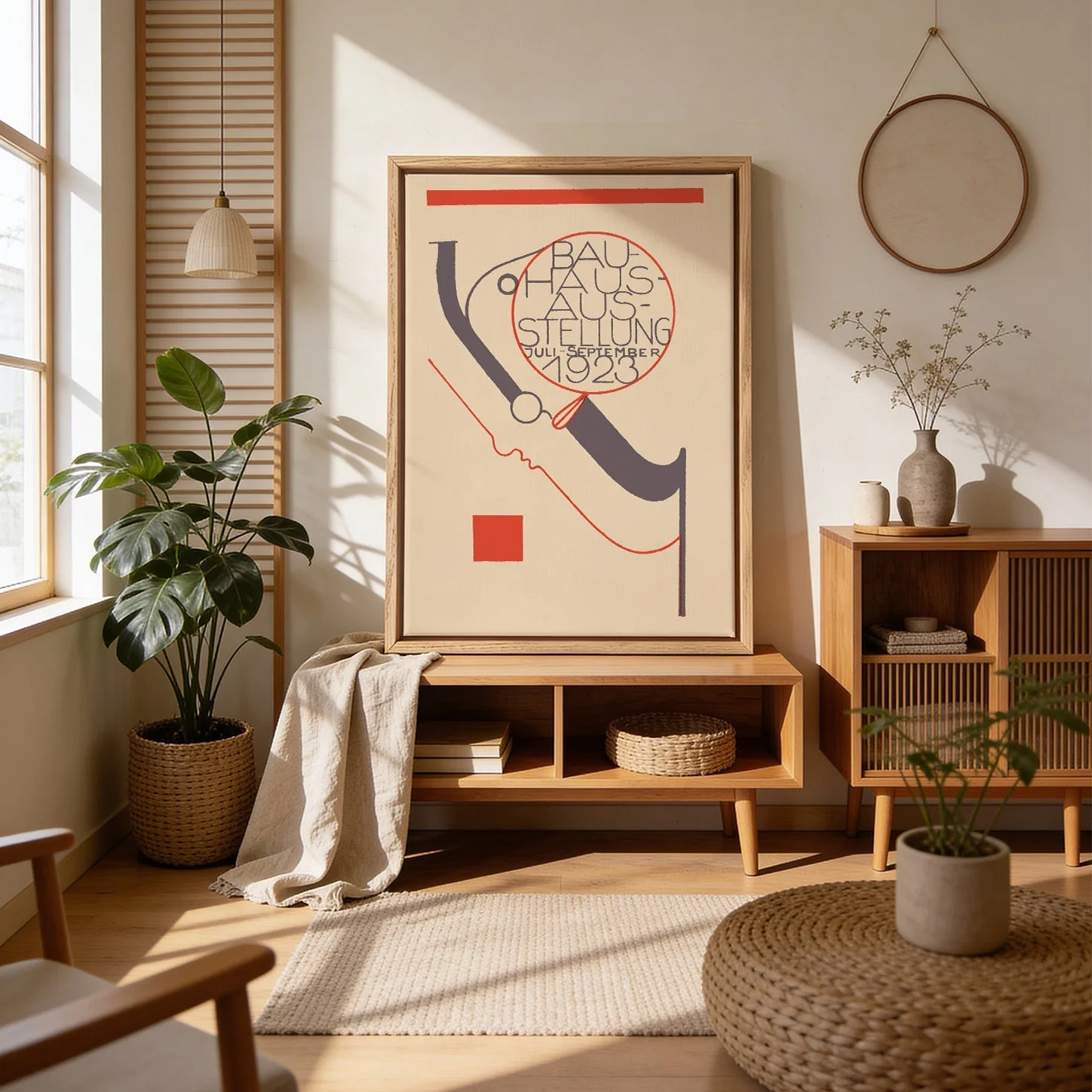
Bauhaus Exhibitions by Oskar Schlemmer 1922-1923
Oskar Schlemmer's exhibition graphic from 1922–23 distils the Bauhaus ethos into a single image: a stylised human profile rendered in clean geometric planes, reduced to essential form without losing its human presence. The composition exemplifies the Bauhaus interest in the relationship between the body and architecture — the figure becomes structure, the face a geometric construction. Bold typography and flat colour fields complete the design, producing a poster that functions as both announcement and aesthetic argument for the school's vision of modern art and design.
Produced as a canvas print on cotton canvas with archival Japanese pigment inks, Schlemmer's geometric figure gains a warmth and tactile presence from the woven surface, the restrained palette resonating with quiet depth and visual weight.
Product Information
Product Information
Shipping & Returns
Shipping & Returns
Description
Oskar Schlemmer's exhibition graphic from 1922–23 distils the Bauhaus ethos into a single image: a stylised human profile rendered in clean geometric planes, reduced to essential form without losing its human presence. The composition exemplifies the Bauhaus interest in the relationship between the body and architecture — the figure becomes structure, the face a geometric construction. Bold typography and flat colour fields complete the design, producing a poster that functions as both announcement and aesthetic argument for the school's vision of modern art and design.
Produced as a canvas print on cotton canvas with archival Japanese pigment inks, Schlemmer's geometric figure gains a warmth and tactile presence from the woven surface, the restrained palette resonating with quiet depth and visual weight.