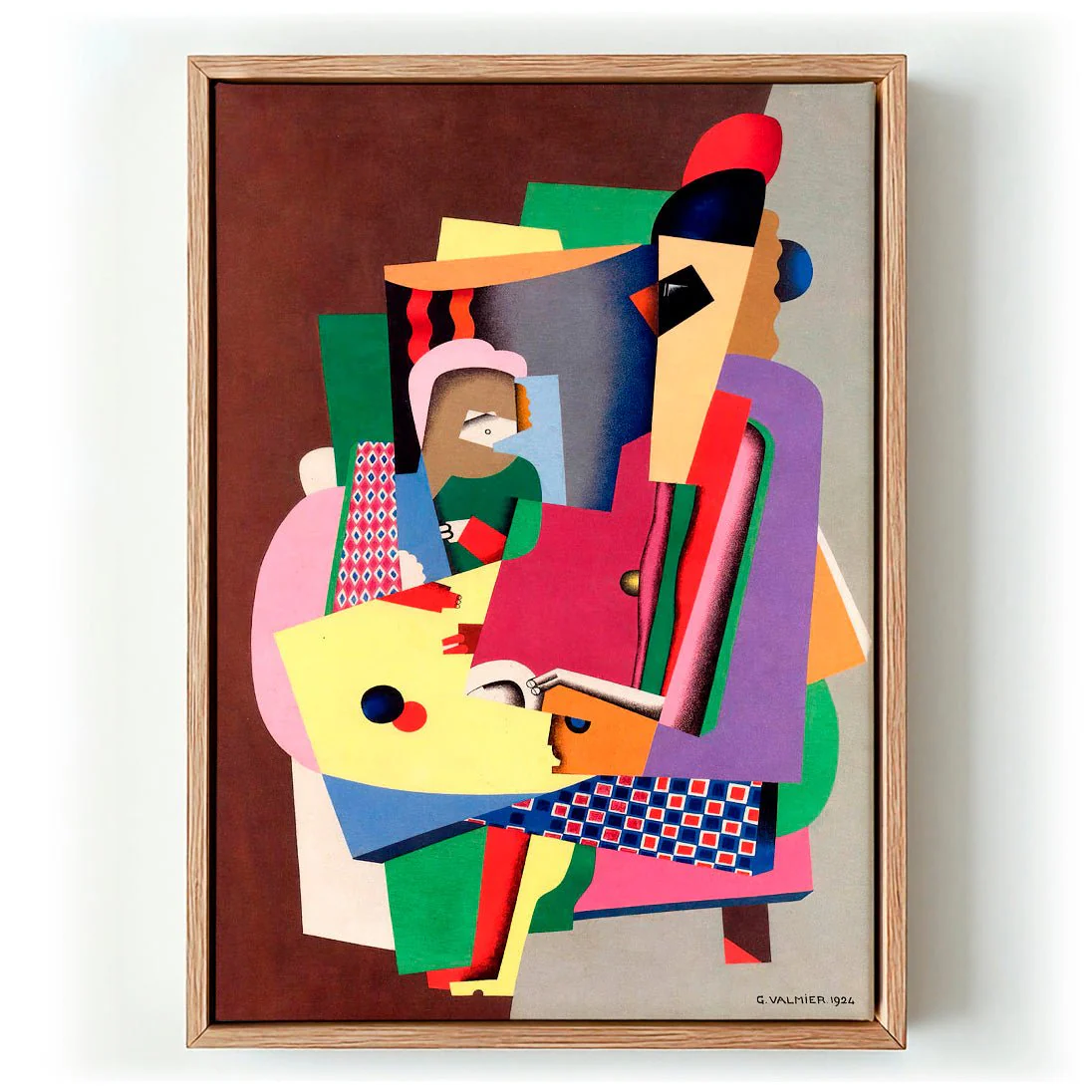
The piano lesson by Georges Valmier
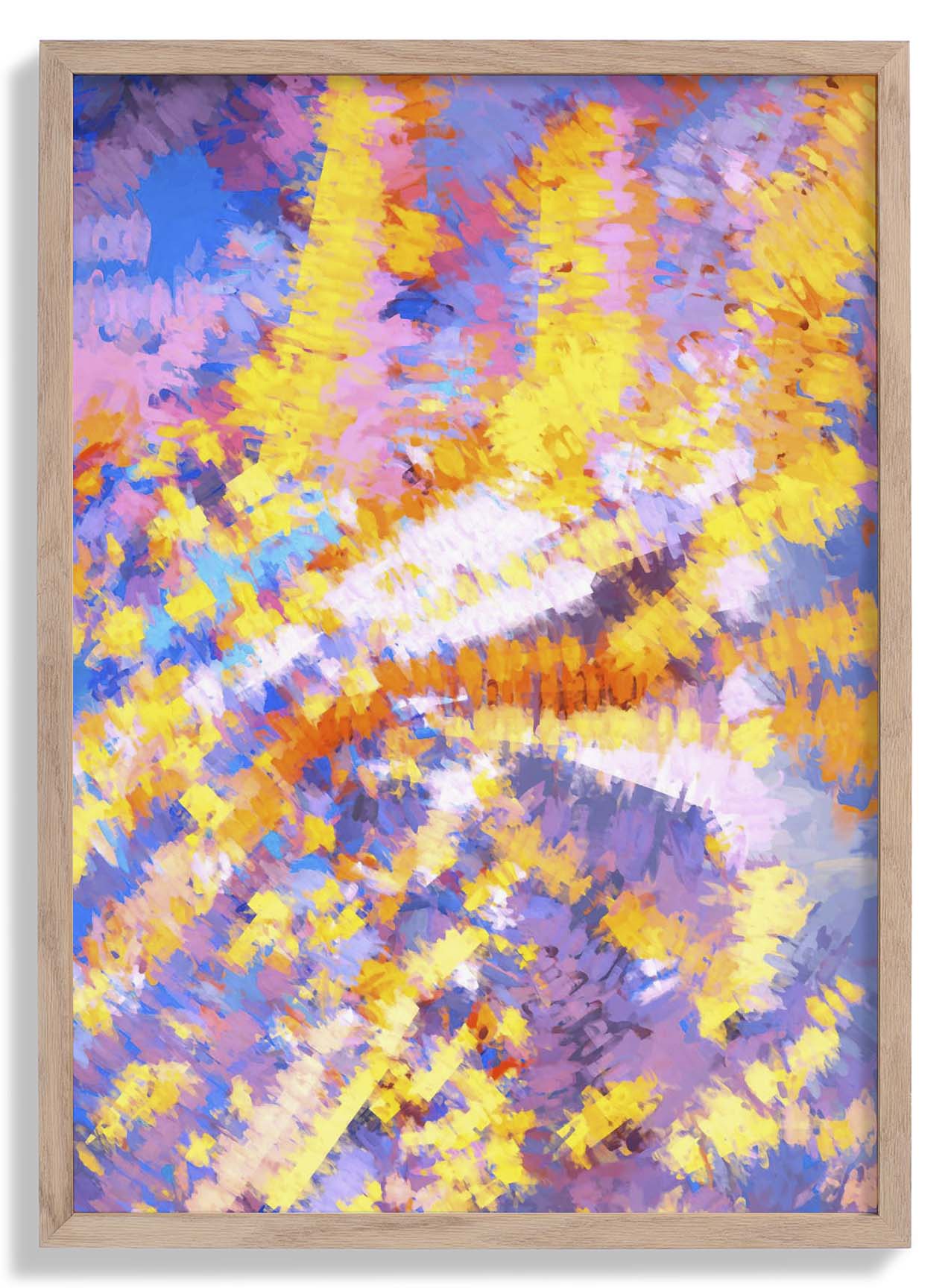
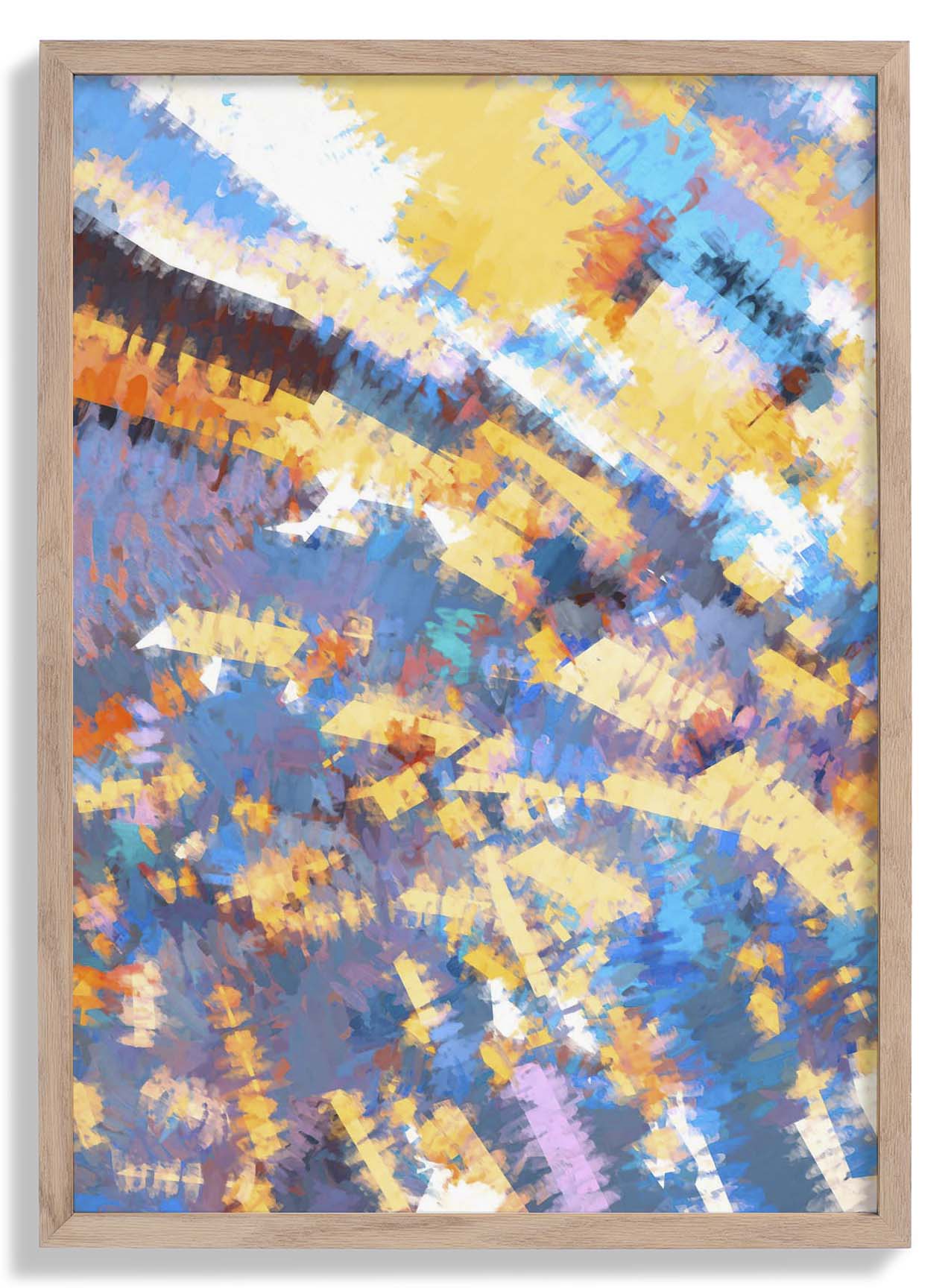
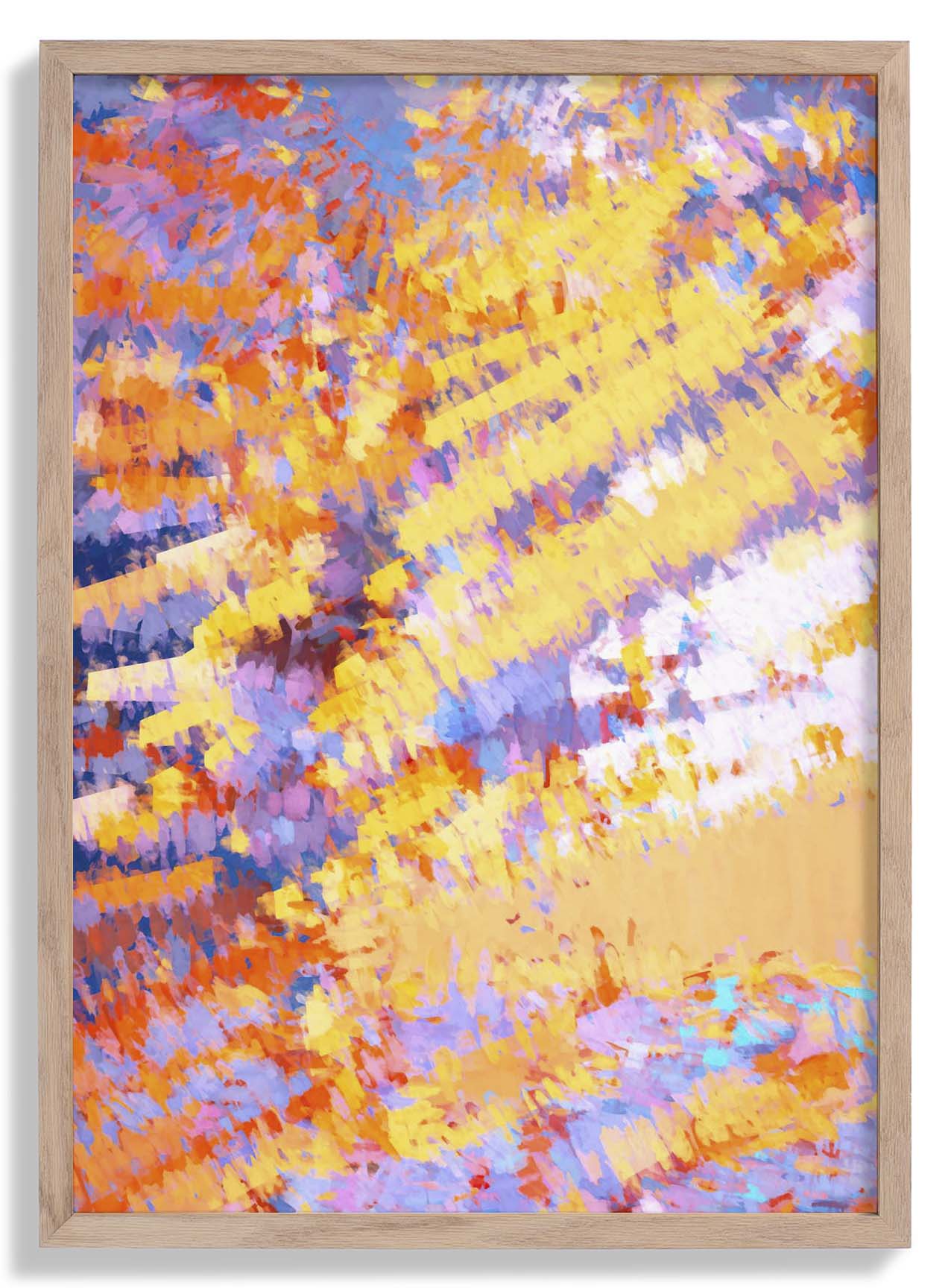
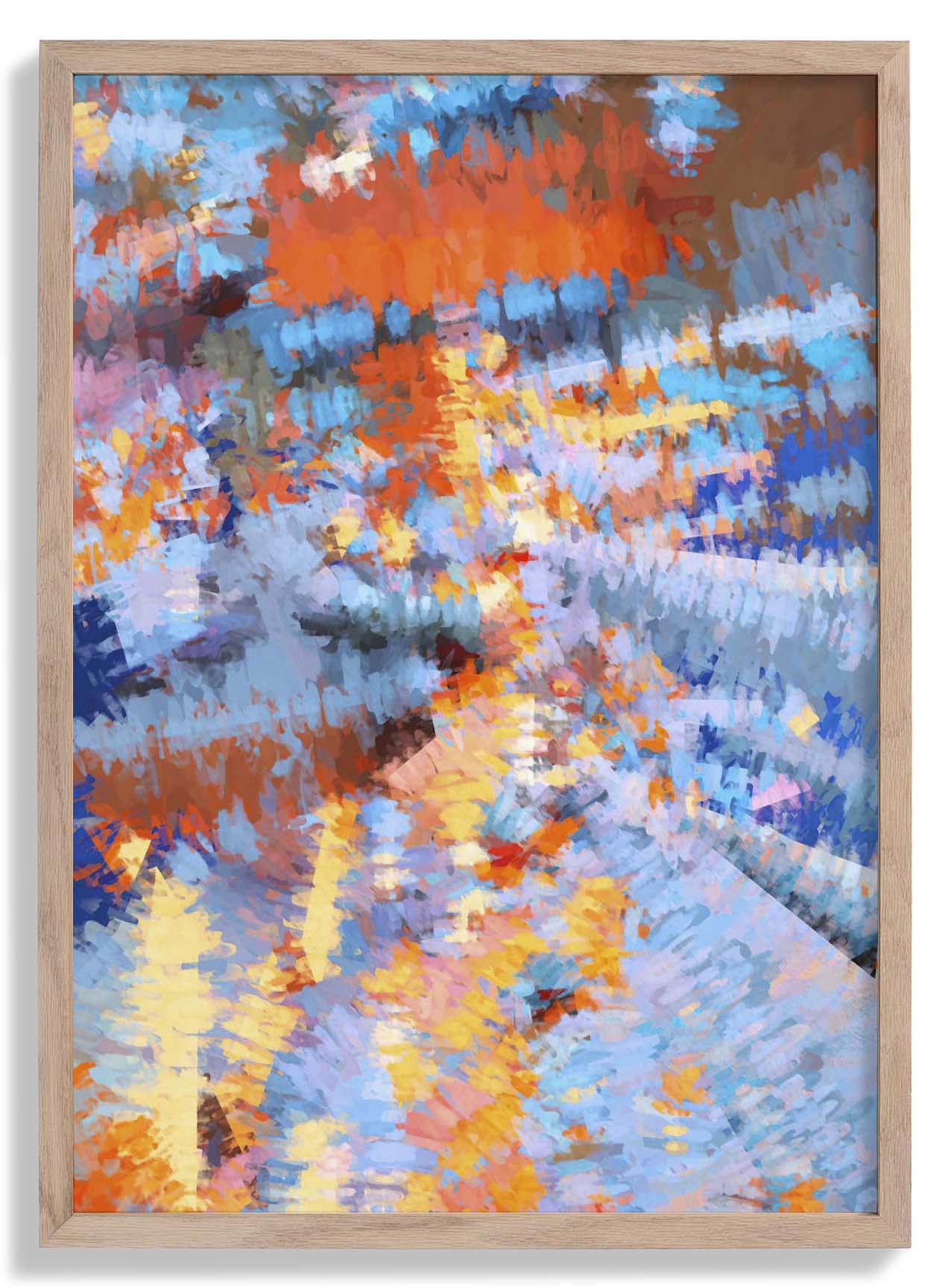
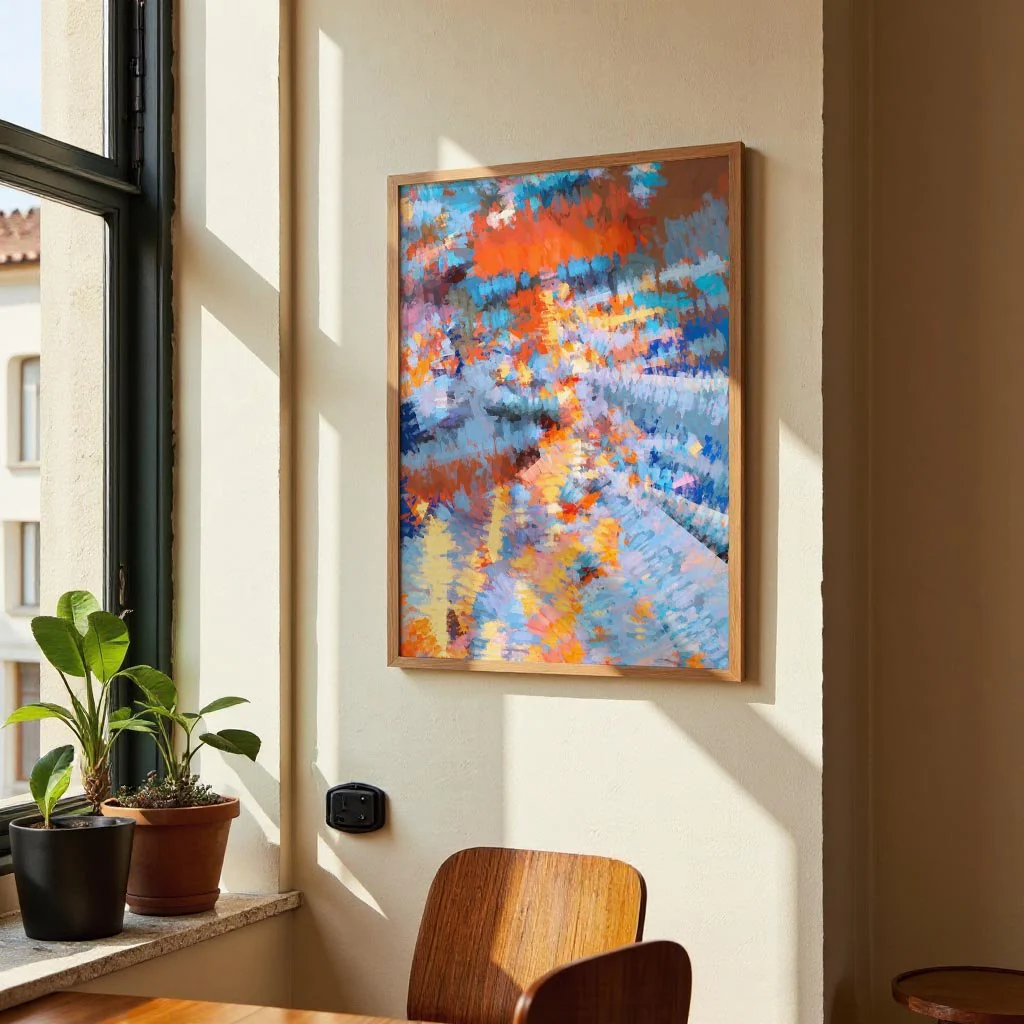
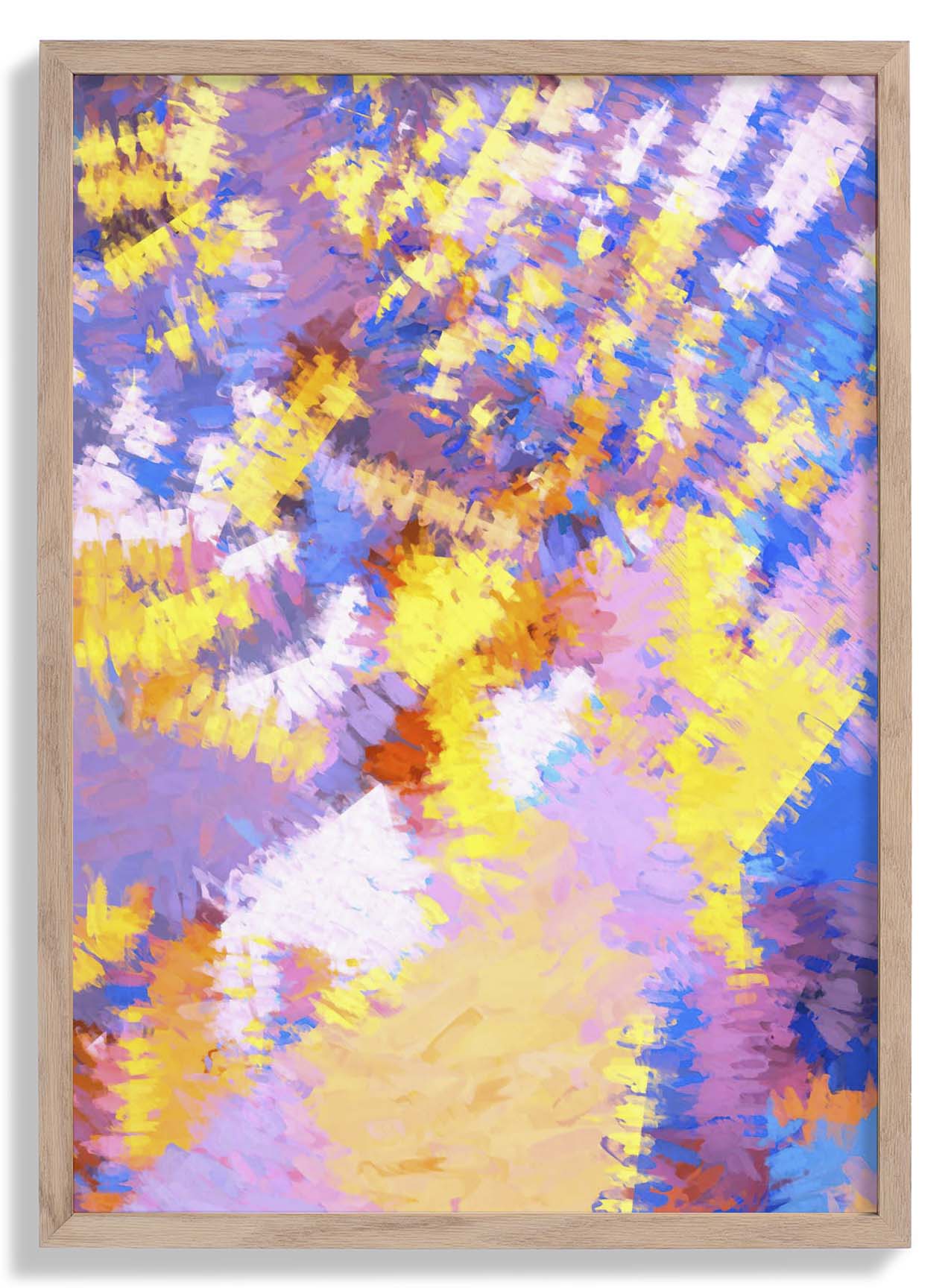
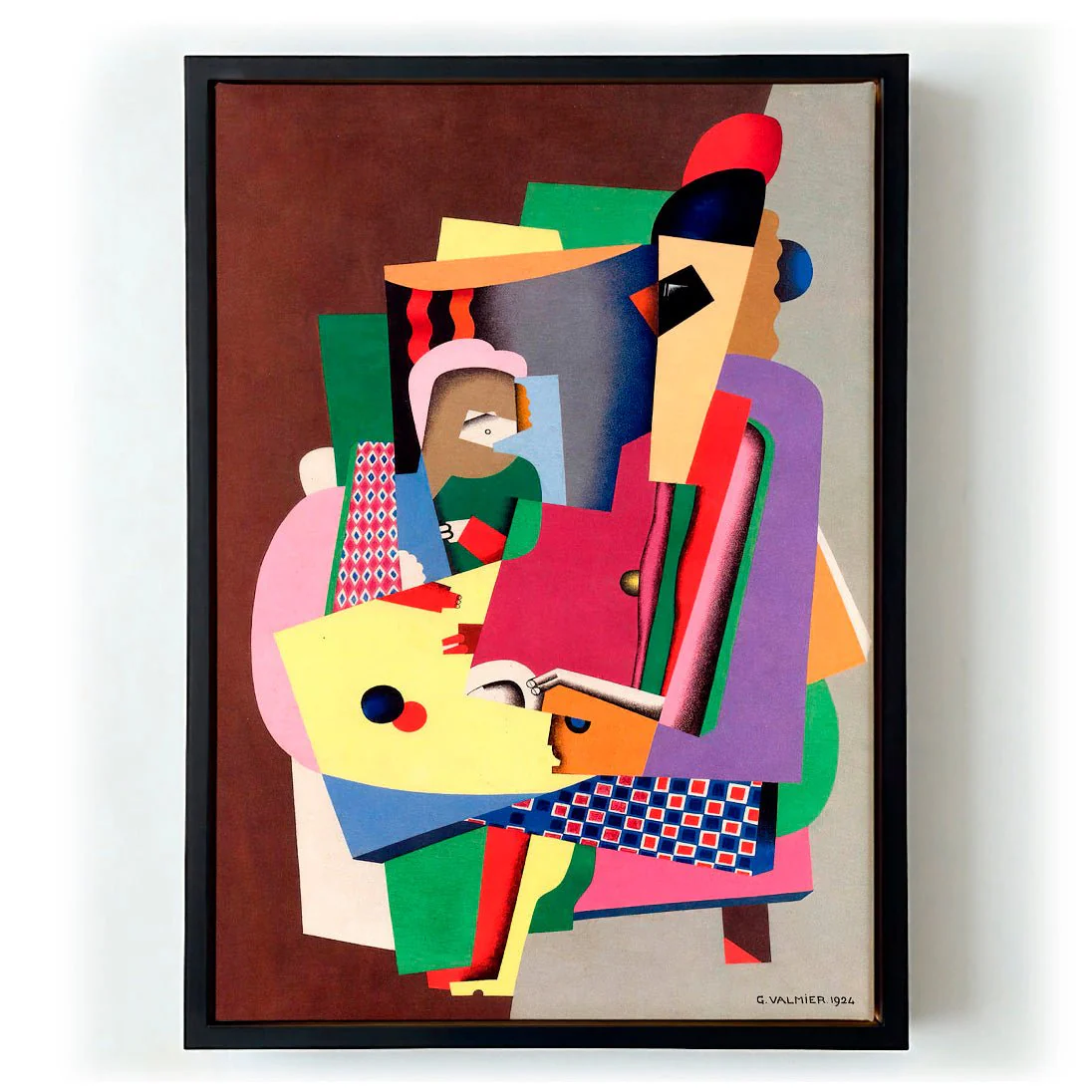
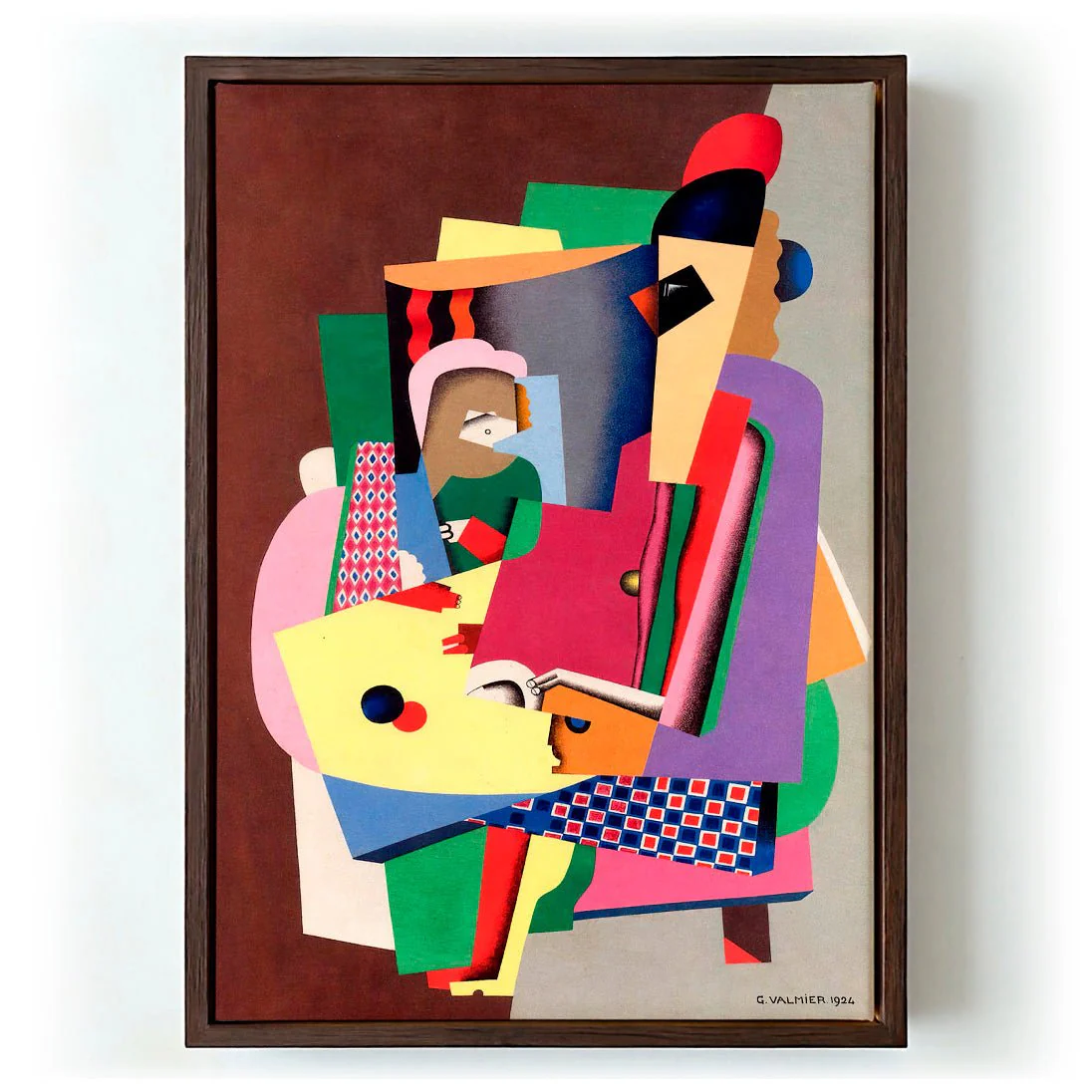
The Piano Lesson by Georges Valmier translates a domestic musical scene into an exhilarating Cubist composition. Keys, hands, sheet music, and the player's figure fragment into a dense lattice of planes, each held in a palette of saturated blues, reds, and yellows. There is rhythmic energy here that mirrors music itself — forms shifting and overlapping like chords. The painting belongs to the high-water mark of French Cubism in the early 1920s, when artists were finding ways to make abstraction feel full of life rather than cold.
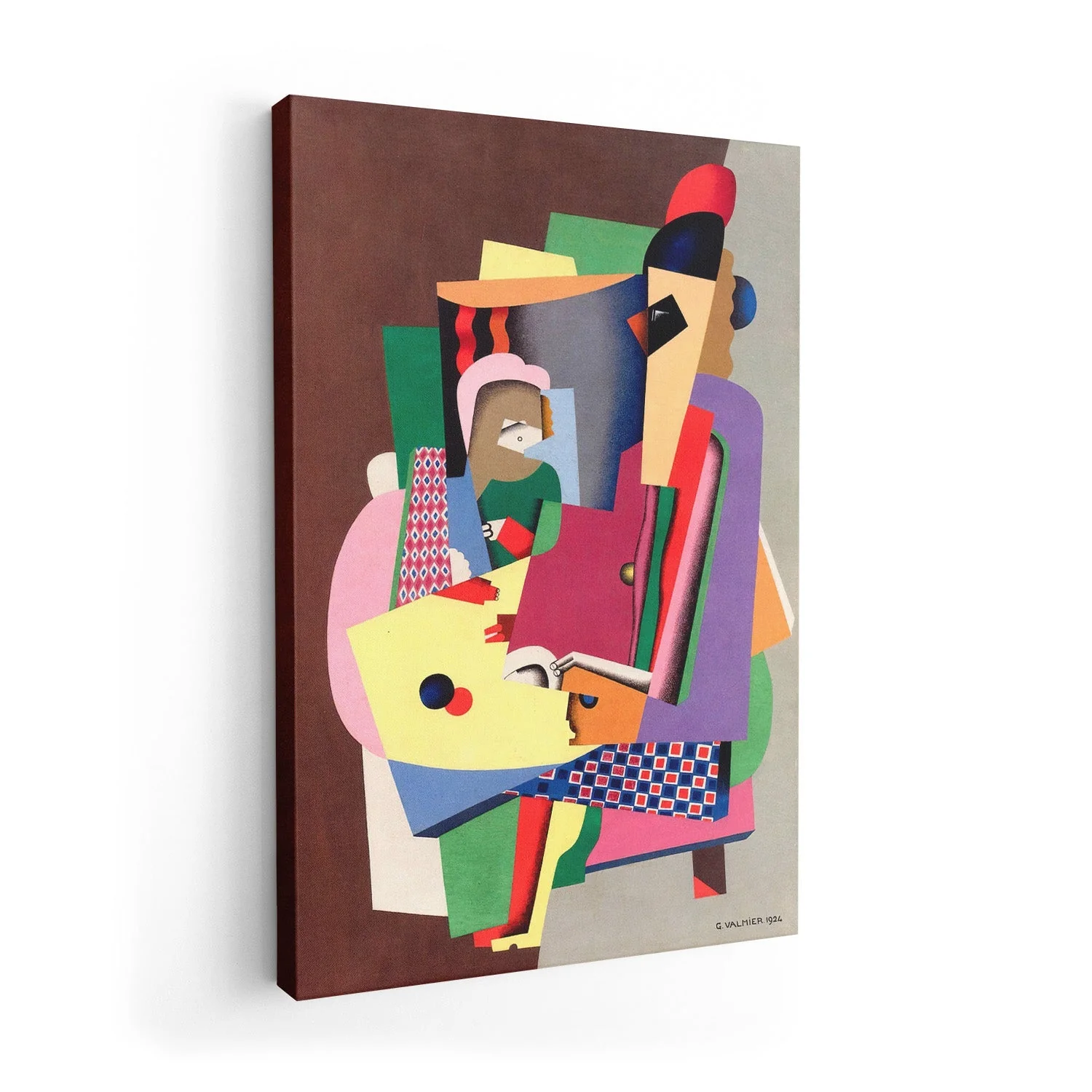
Canvas suits this work perfectly. The textured weave adds warmth to Valmier's vivid colour fields and a physical depth that makes the composition feel dynamic rather than flat. As a canvas print, the rhythm of the painting truly comes through.
Original: $38.34
-65%$38.34
$13.42More Images
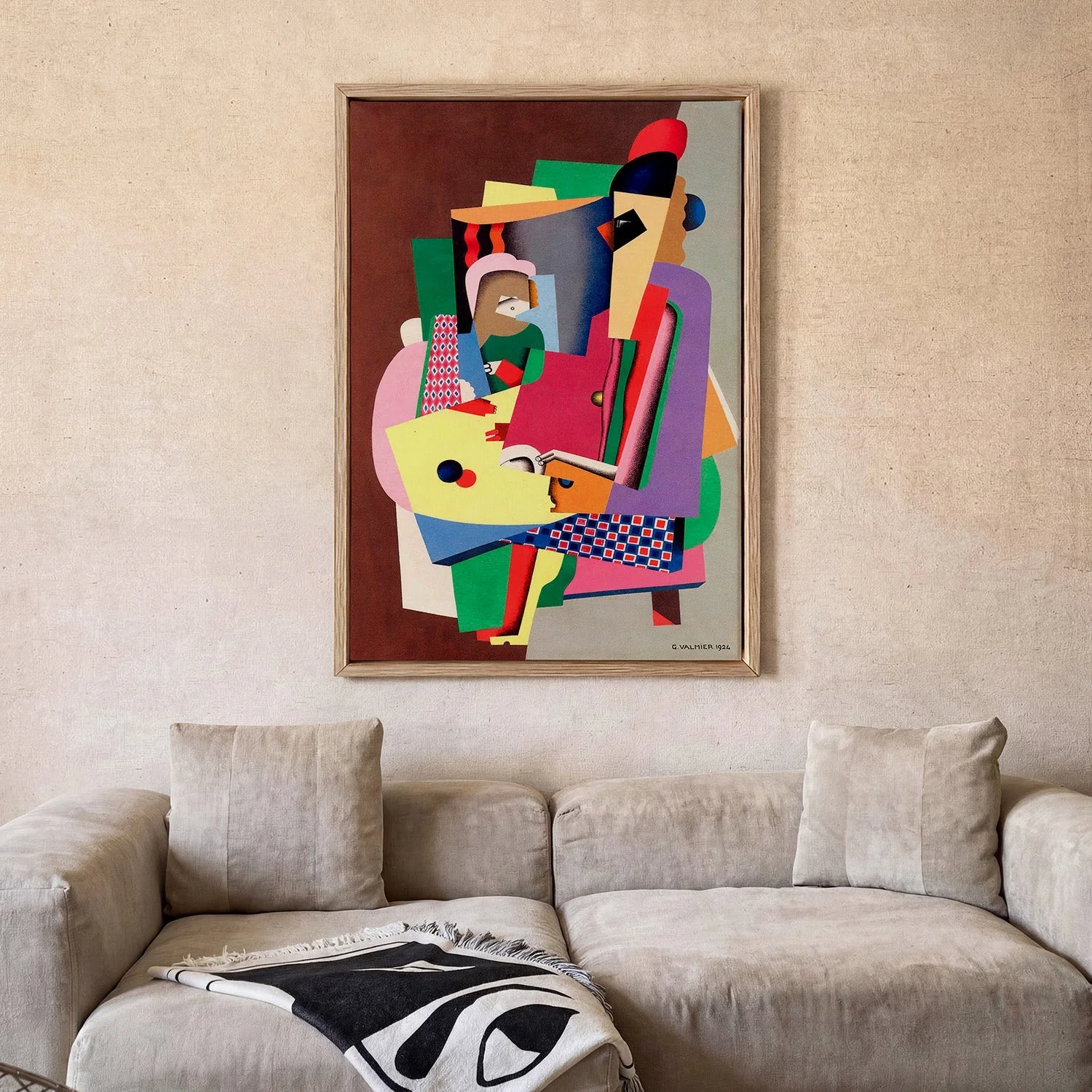
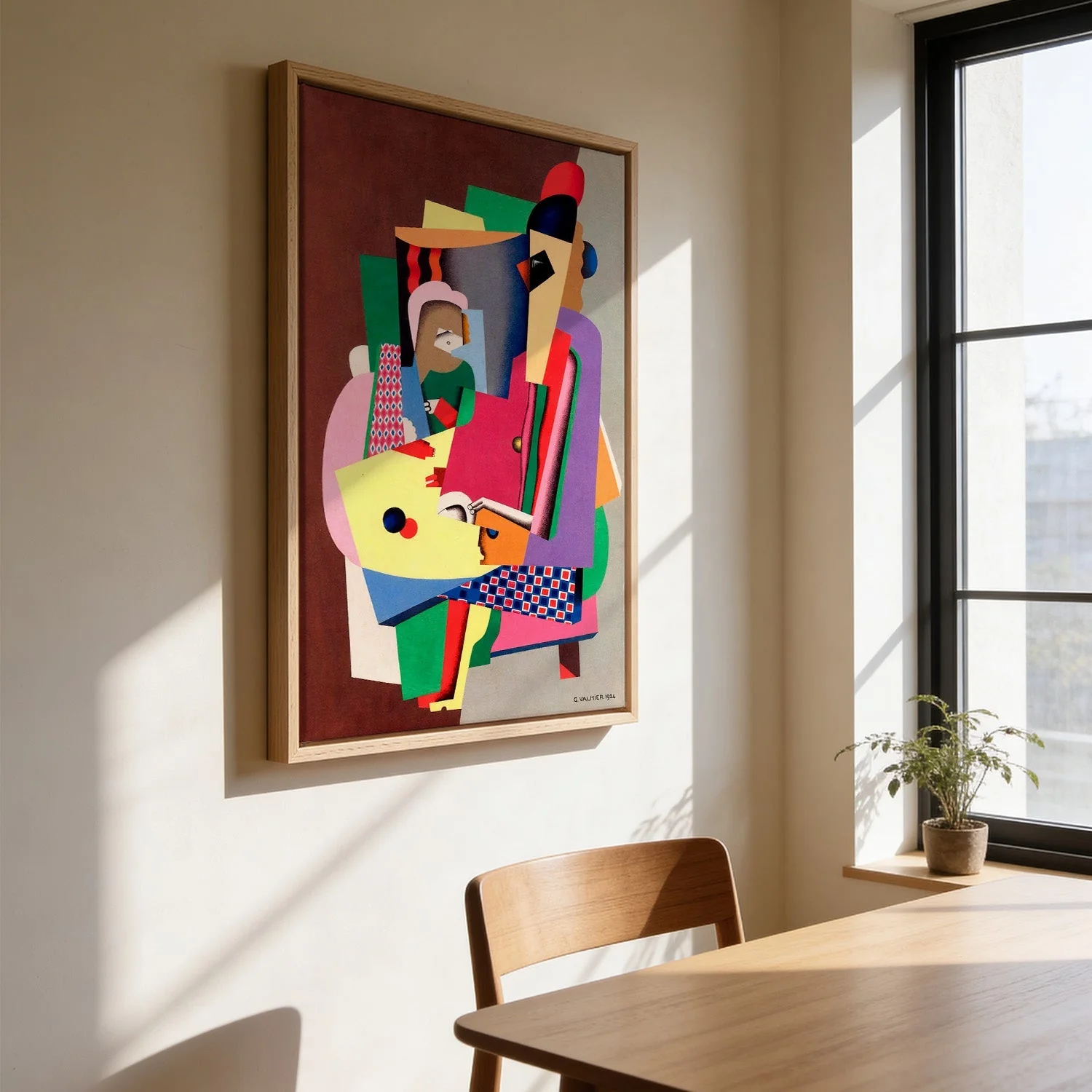
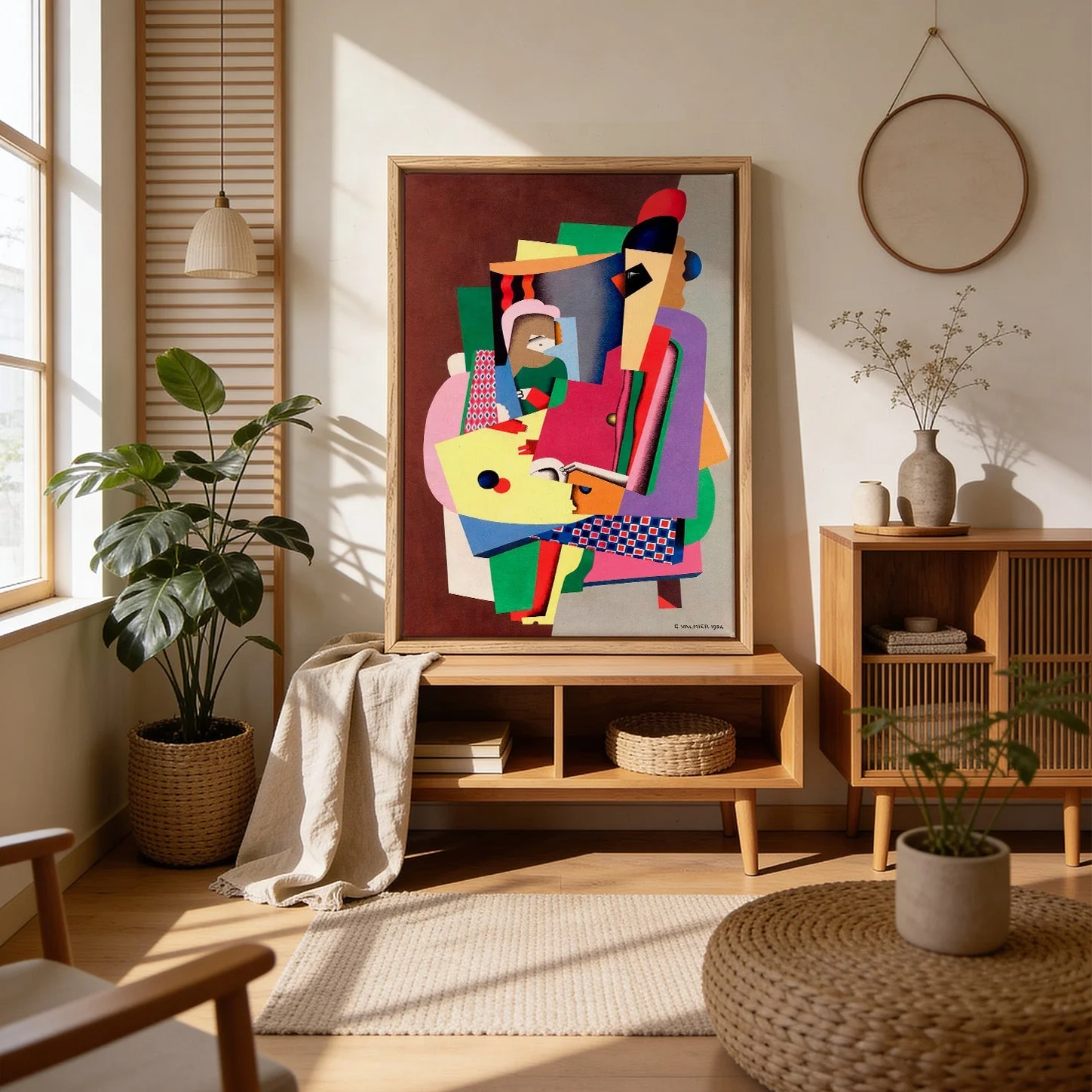
The piano lesson by Georges Valmier
The Piano Lesson by Georges Valmier translates a domestic musical scene into an exhilarating Cubist composition. Keys, hands, sheet music, and the player's figure fragment into a dense lattice of planes, each held in a palette of saturated blues, reds, and yellows. There is rhythmic energy here that mirrors music itself — forms shifting and overlapping like chords. The painting belongs to the high-water mark of French Cubism in the early 1920s, when artists were finding ways to make abstraction feel full of life rather than cold.
Canvas suits this work perfectly. The textured weave adds warmth to Valmier's vivid colour fields and a physical depth that makes the composition feel dynamic rather than flat. As a canvas print, the rhythm of the painting truly comes through.
Product Information
Product Information
Shipping & Returns
Shipping & Returns
Description
The Piano Lesson by Georges Valmier translates a domestic musical scene into an exhilarating Cubist composition. Keys, hands, sheet music, and the player's figure fragment into a dense lattice of planes, each held in a palette of saturated blues, reds, and yellows. There is rhythmic energy here that mirrors music itself — forms shifting and overlapping like chords. The painting belongs to the high-water mark of French Cubism in the early 1920s, when artists were finding ways to make abstraction feel full of life rather than cold.
Canvas suits this work perfectly. The textured weave adds warmth to Valmier's vivid colour fields and a physical depth that makes the composition feel dynamic rather than flat. As a canvas print, the rhythm of the painting truly comes through.