Riddle Trees (Part 3) by HENRY HU
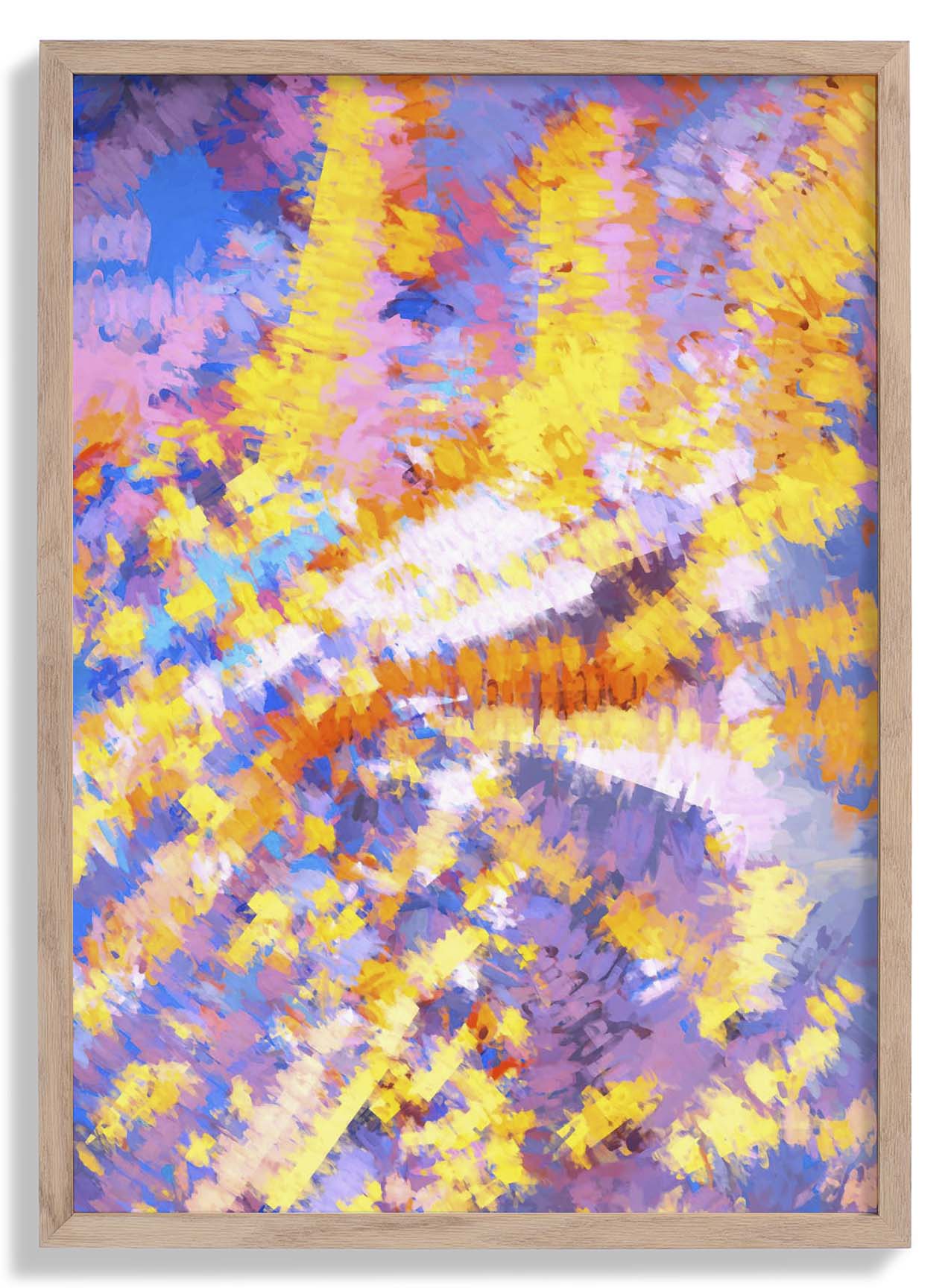
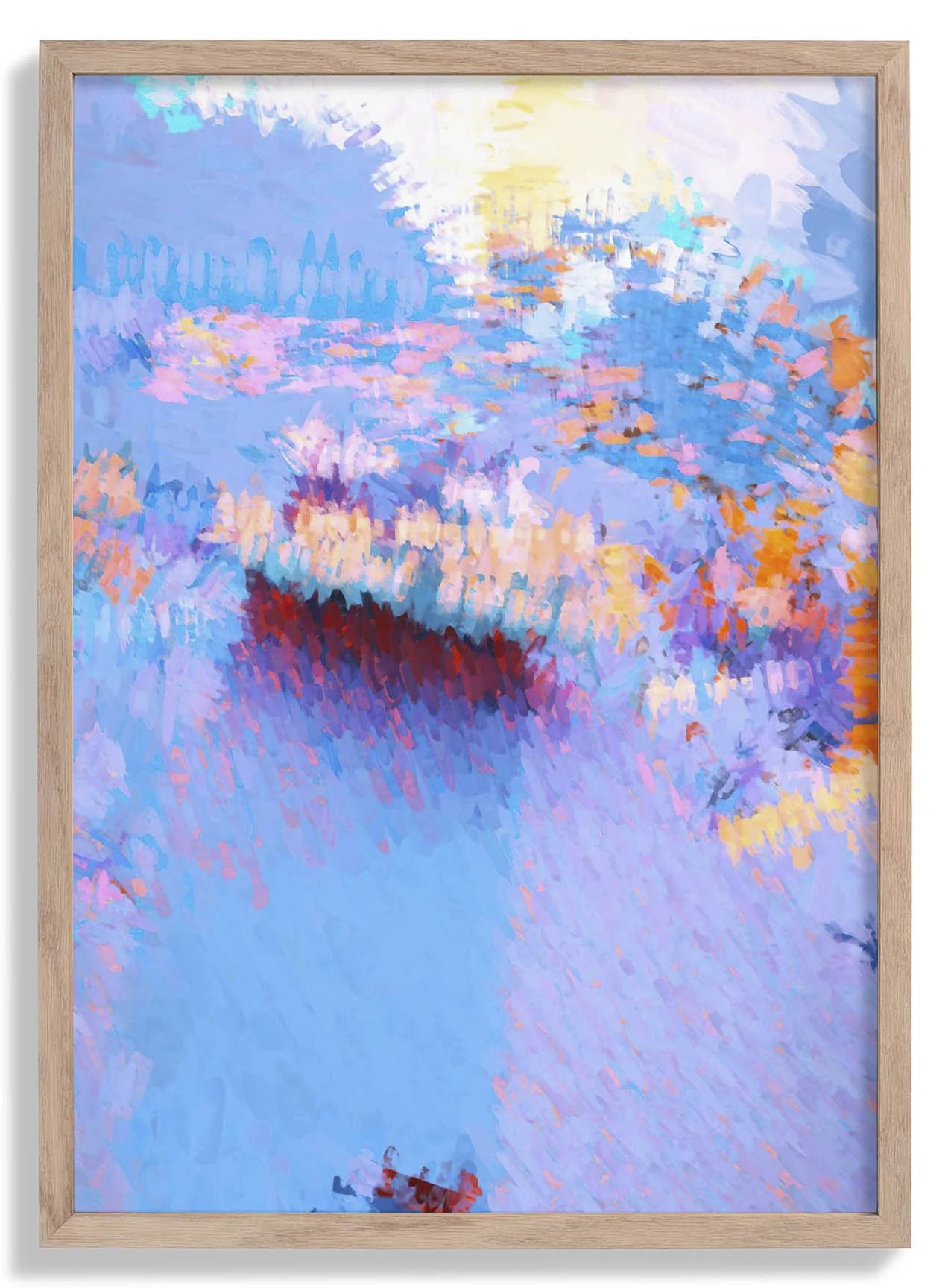
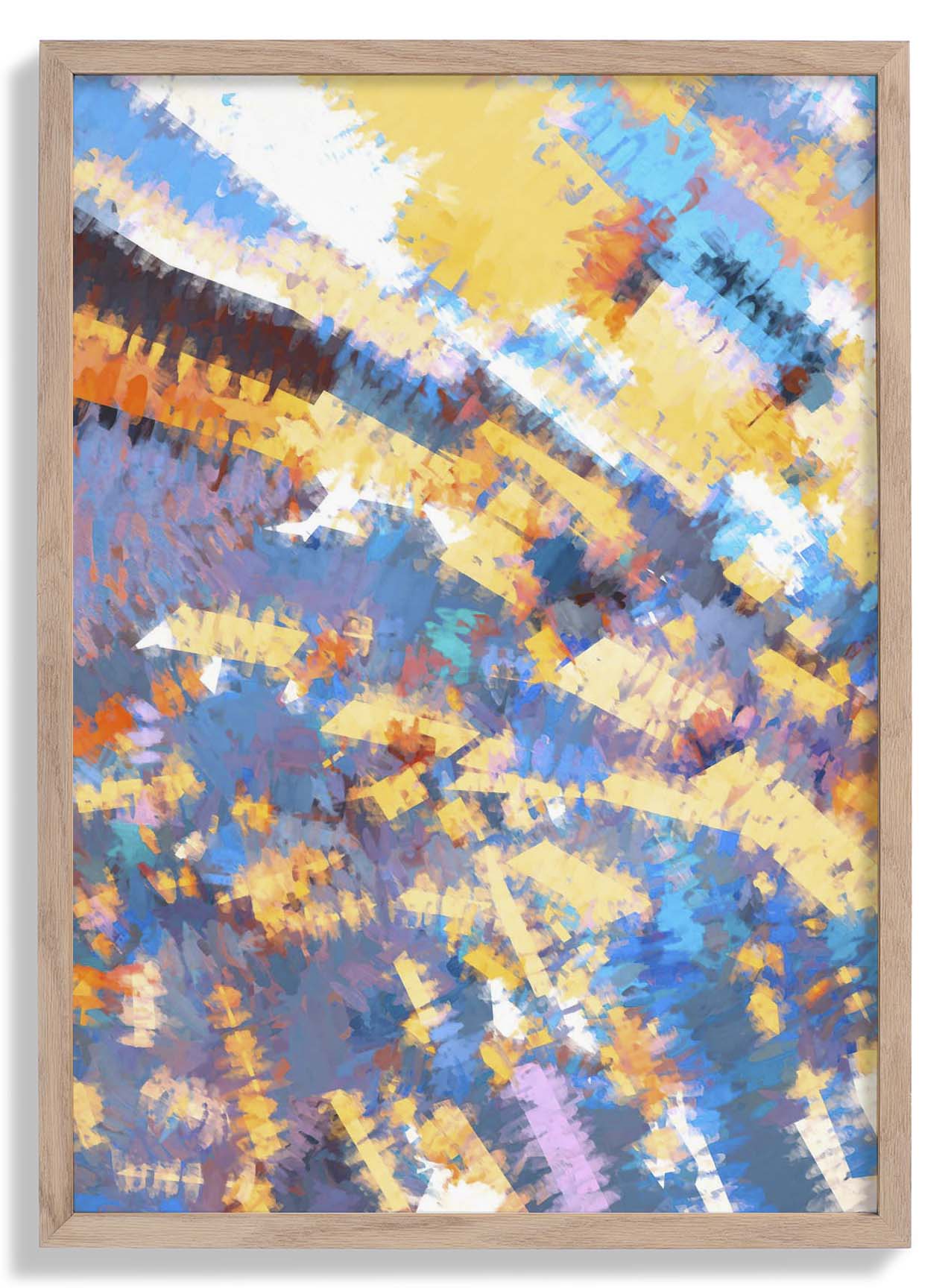
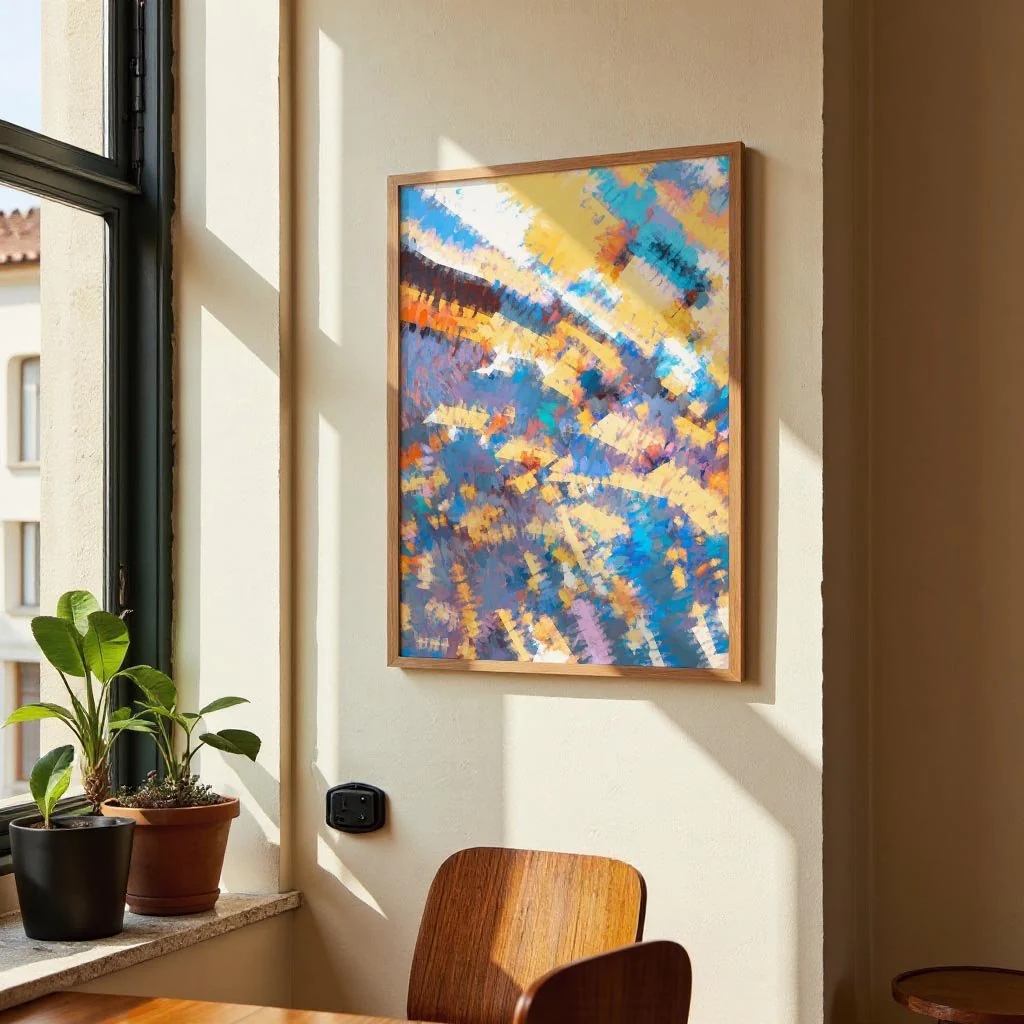
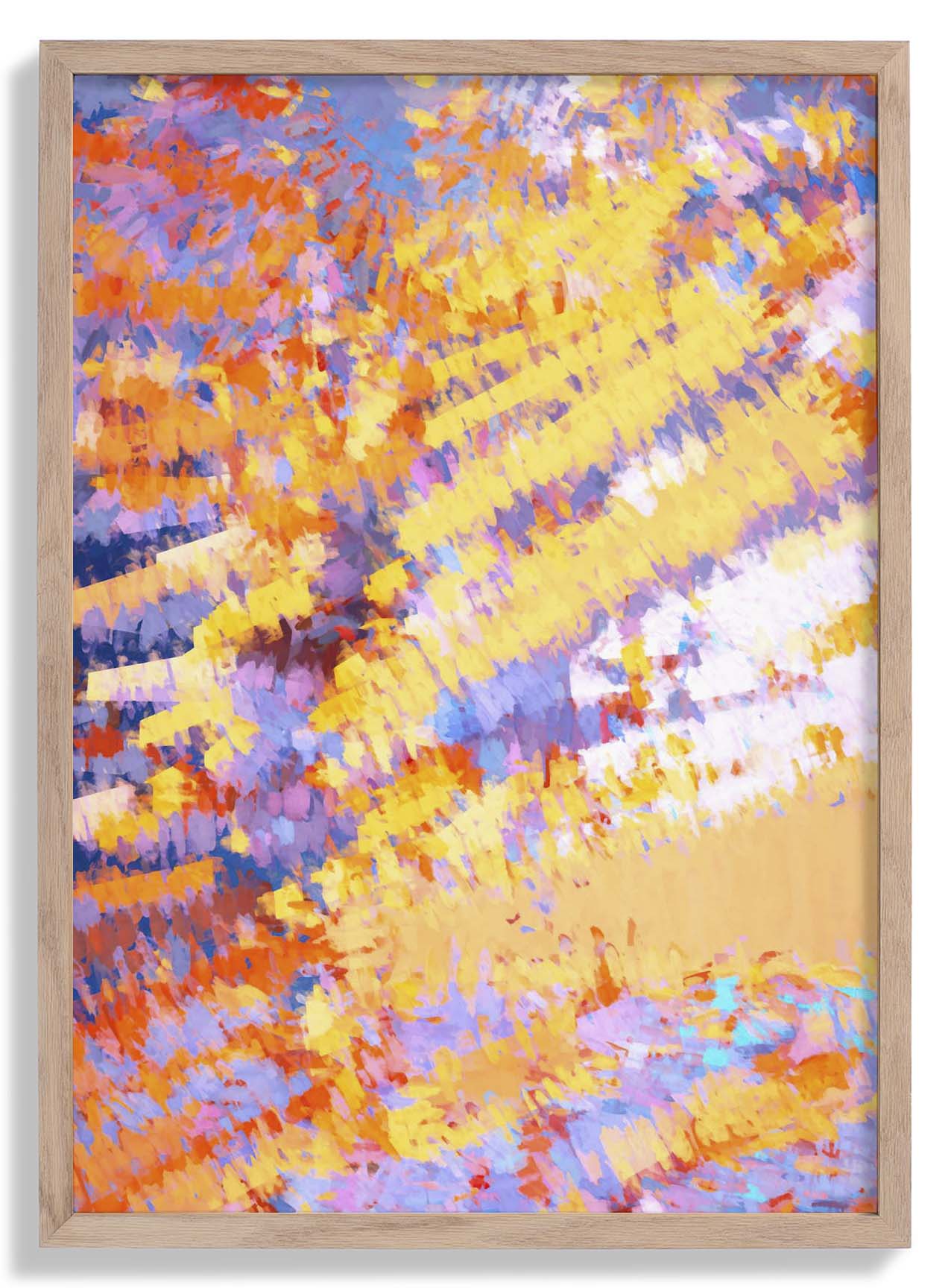
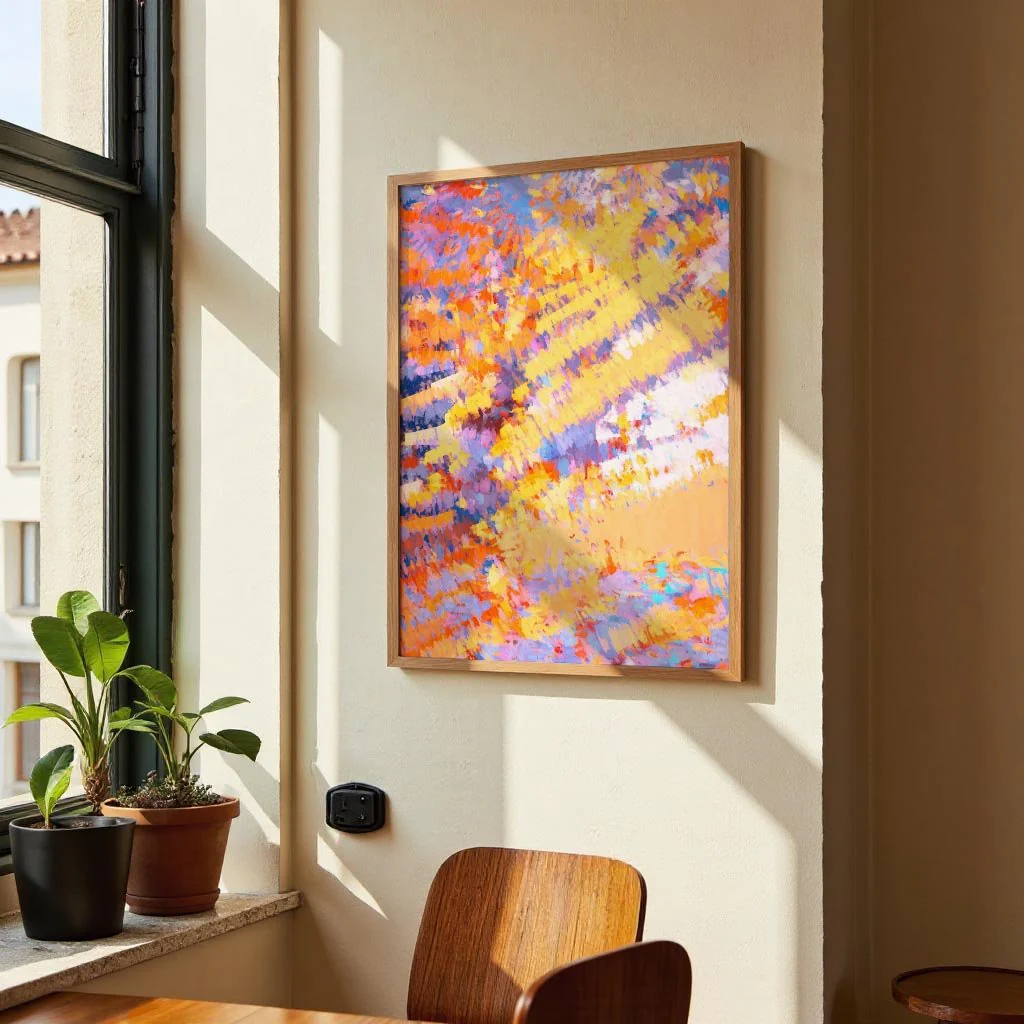
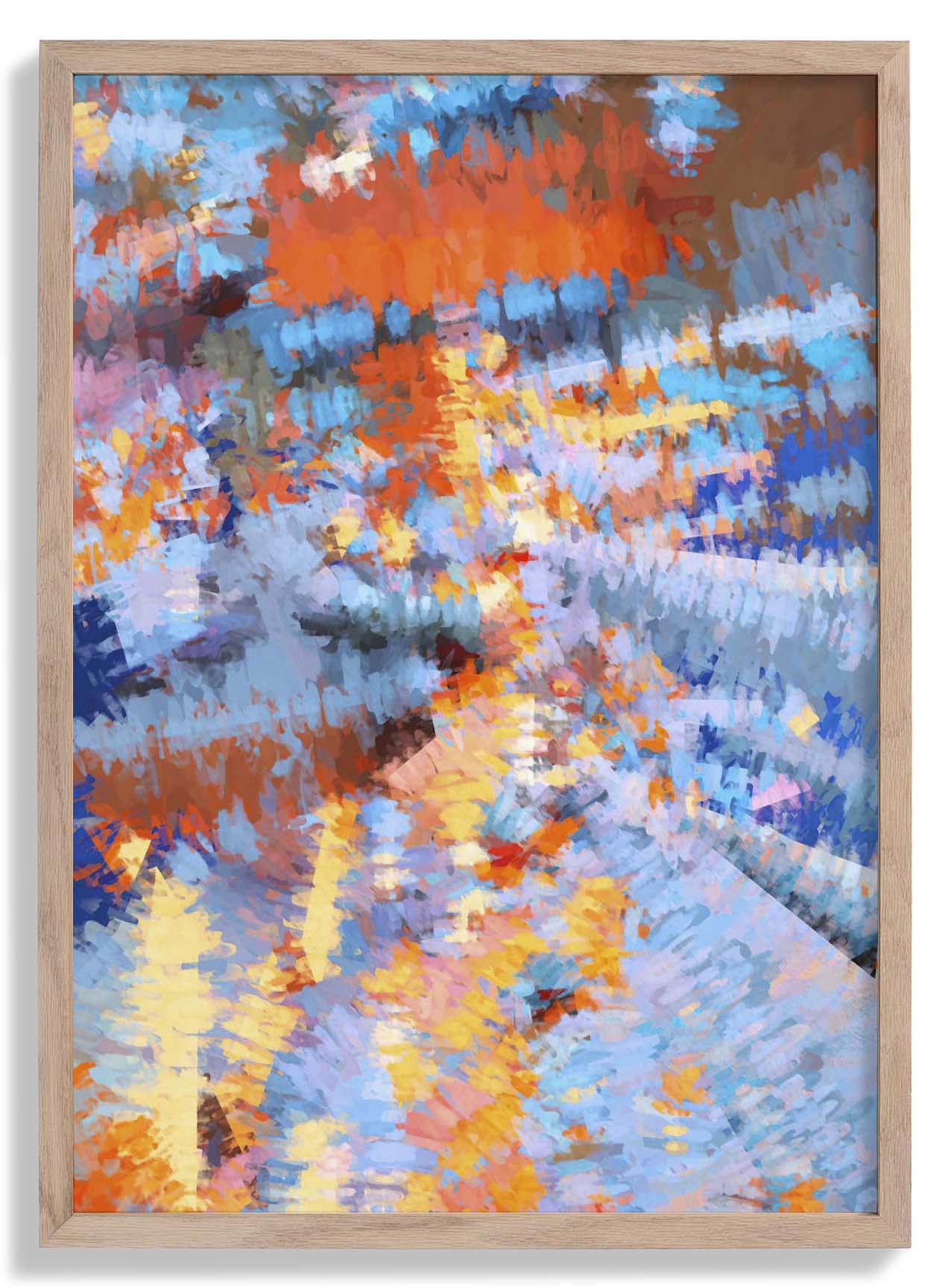
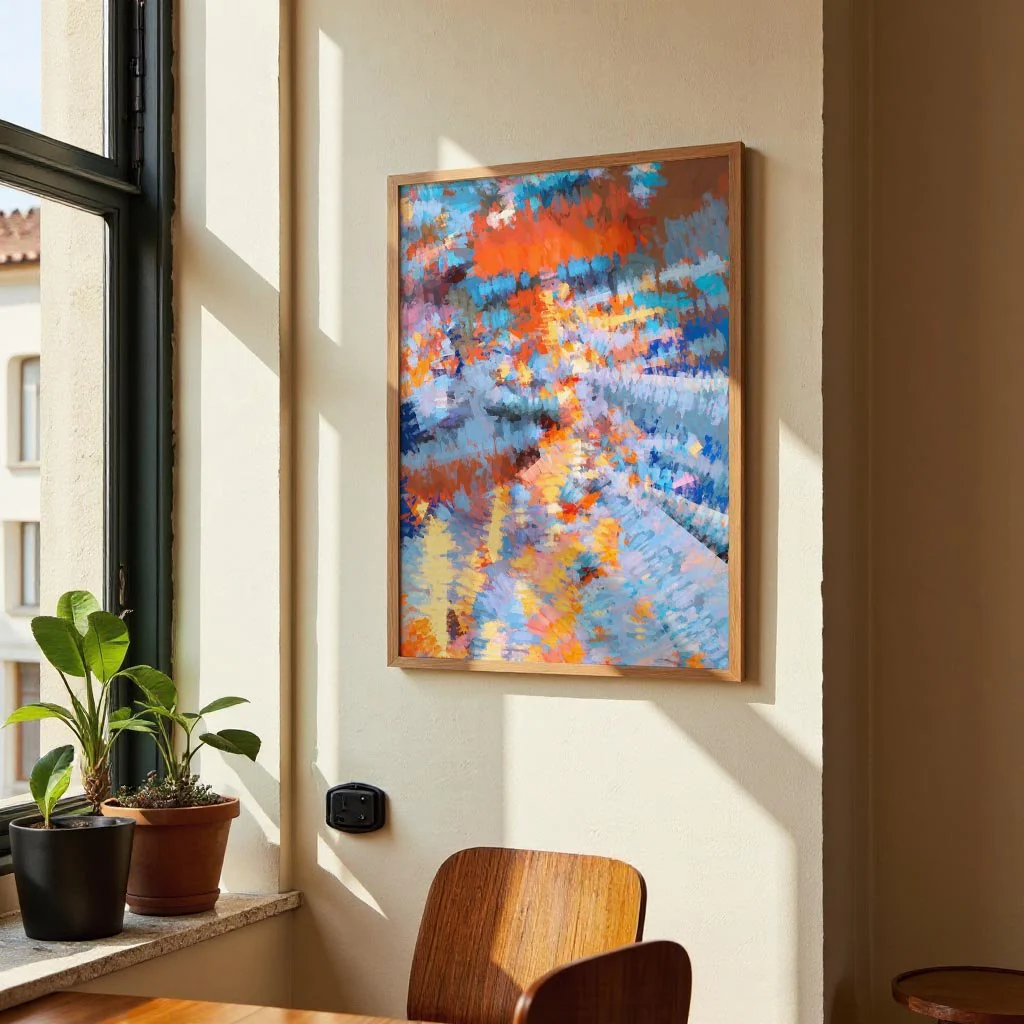
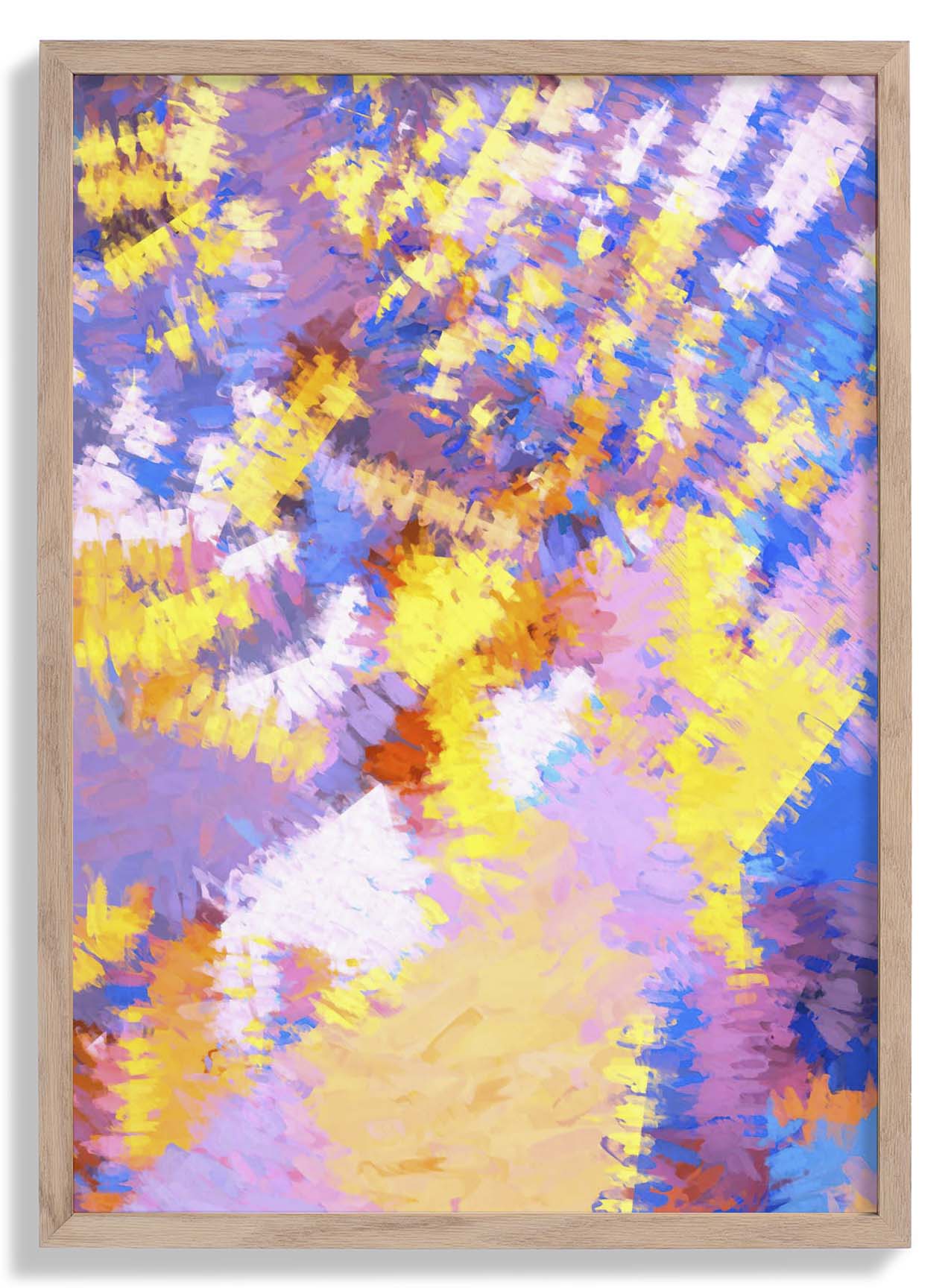
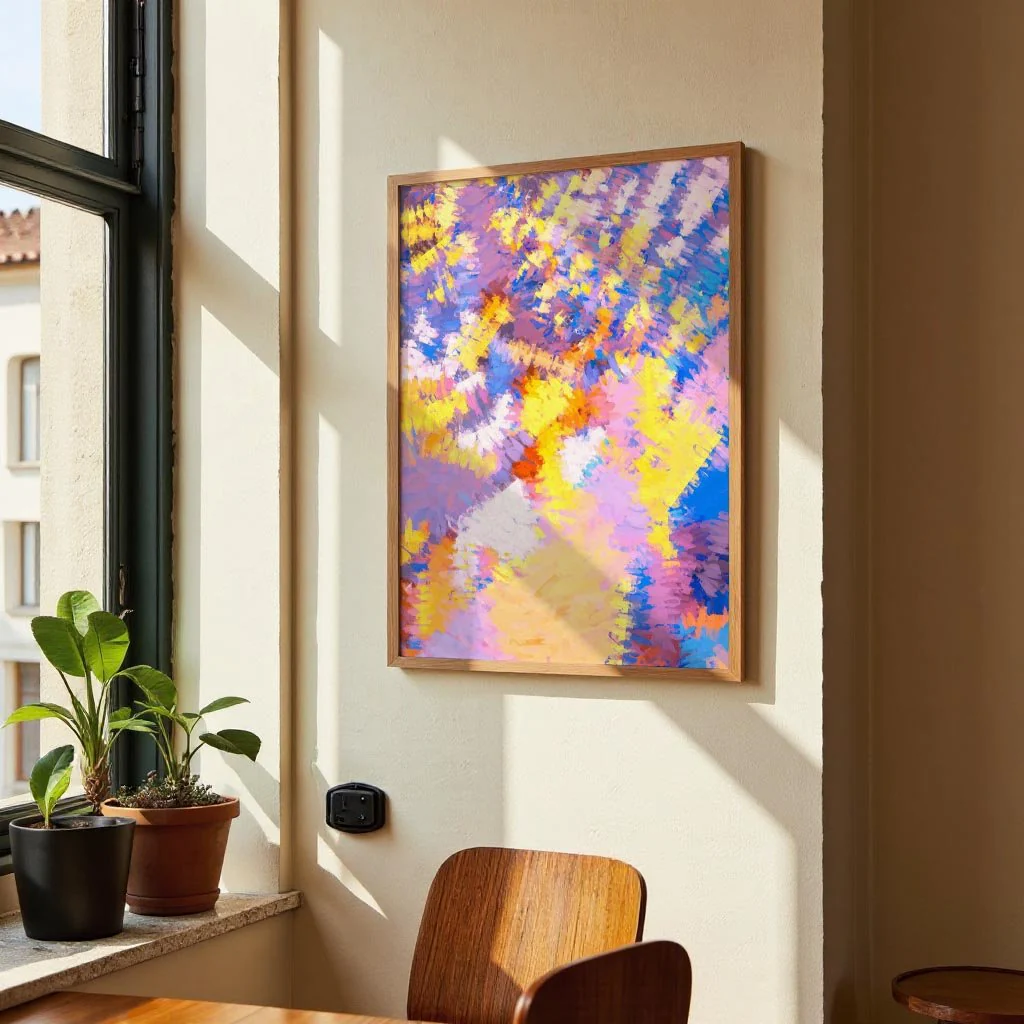
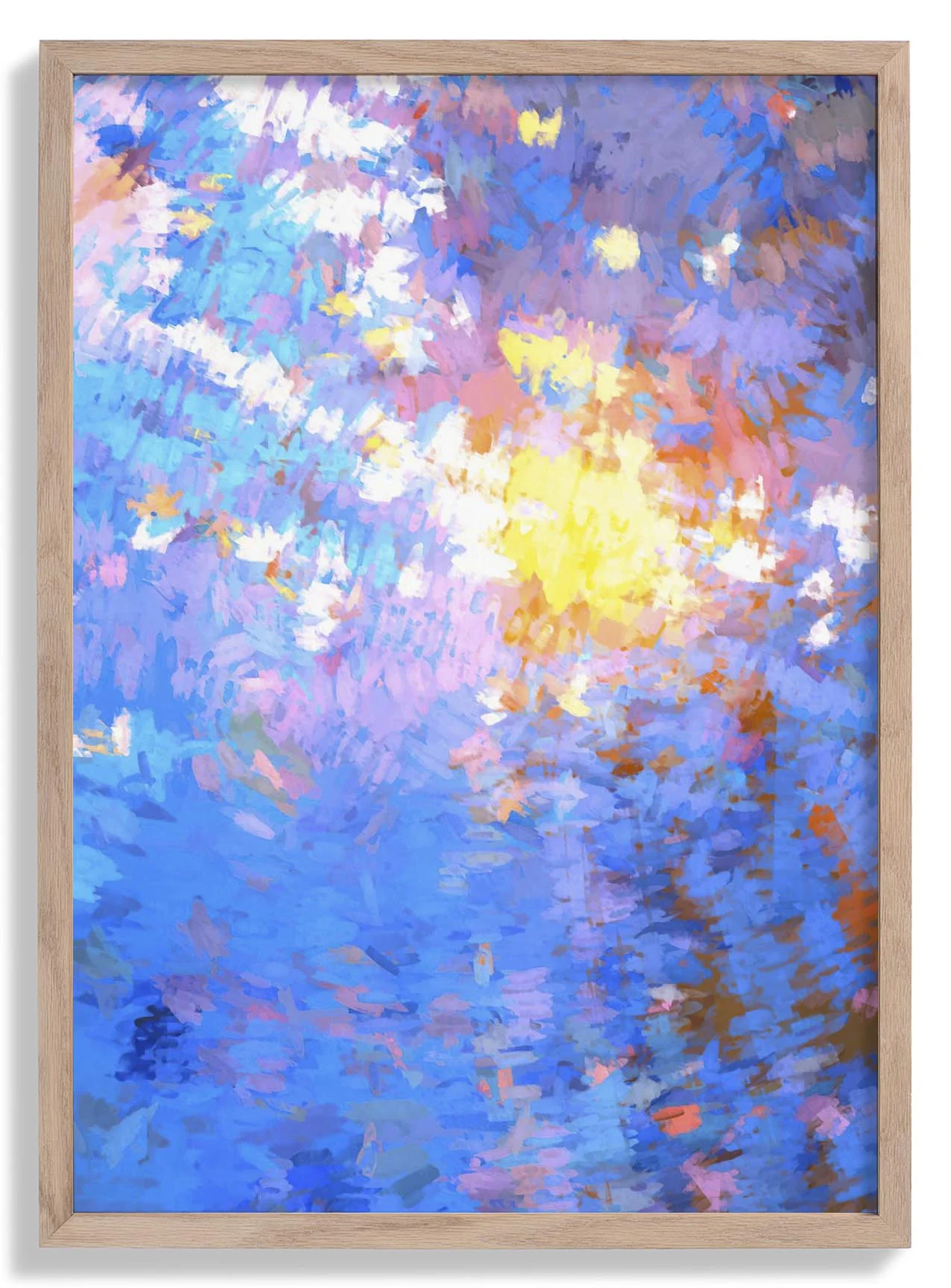
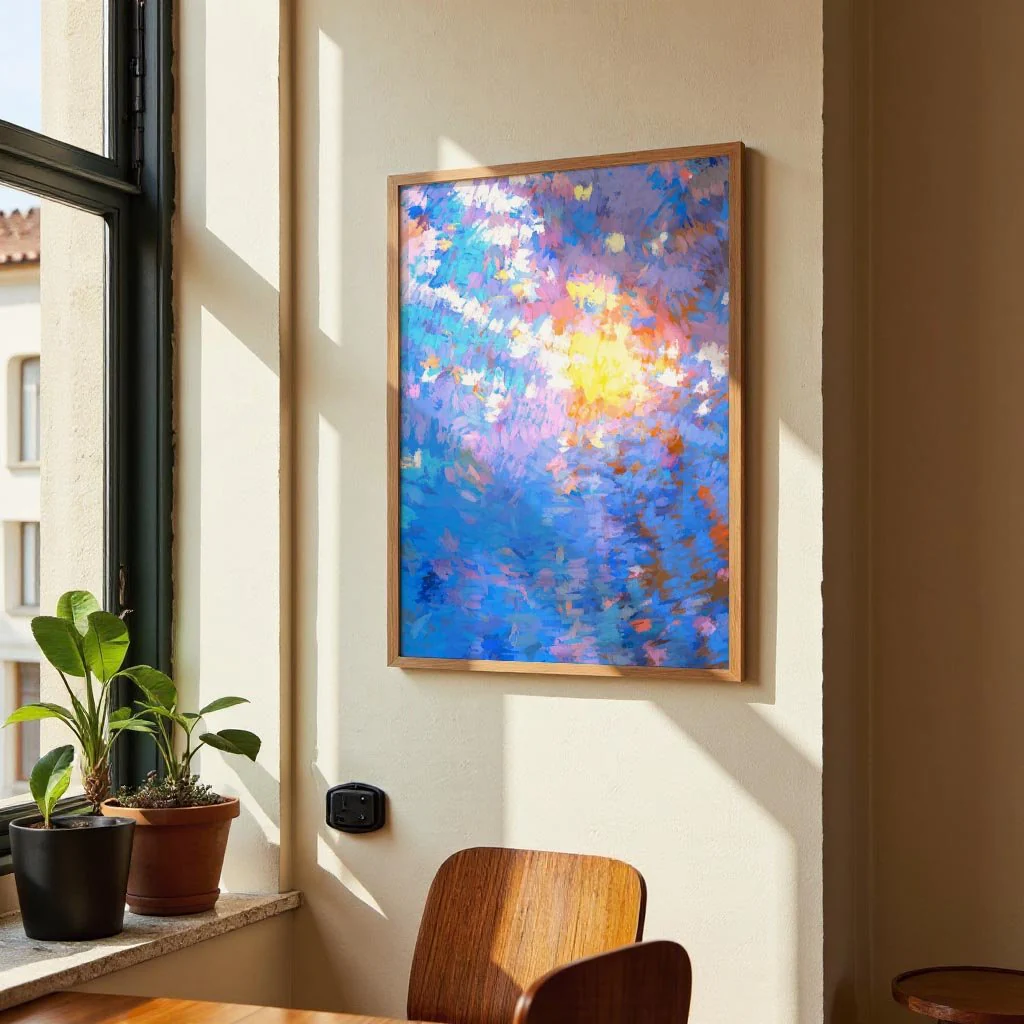
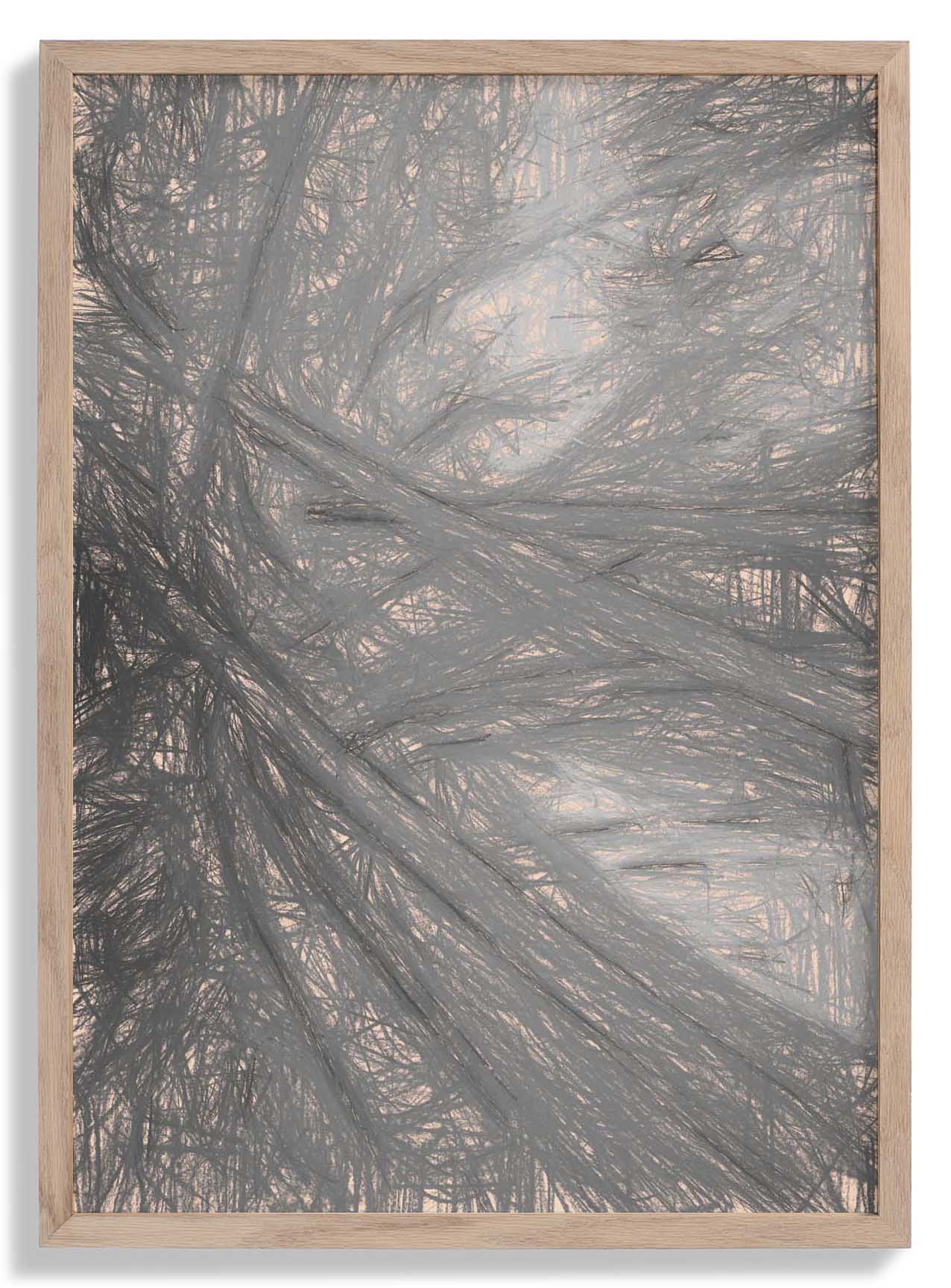
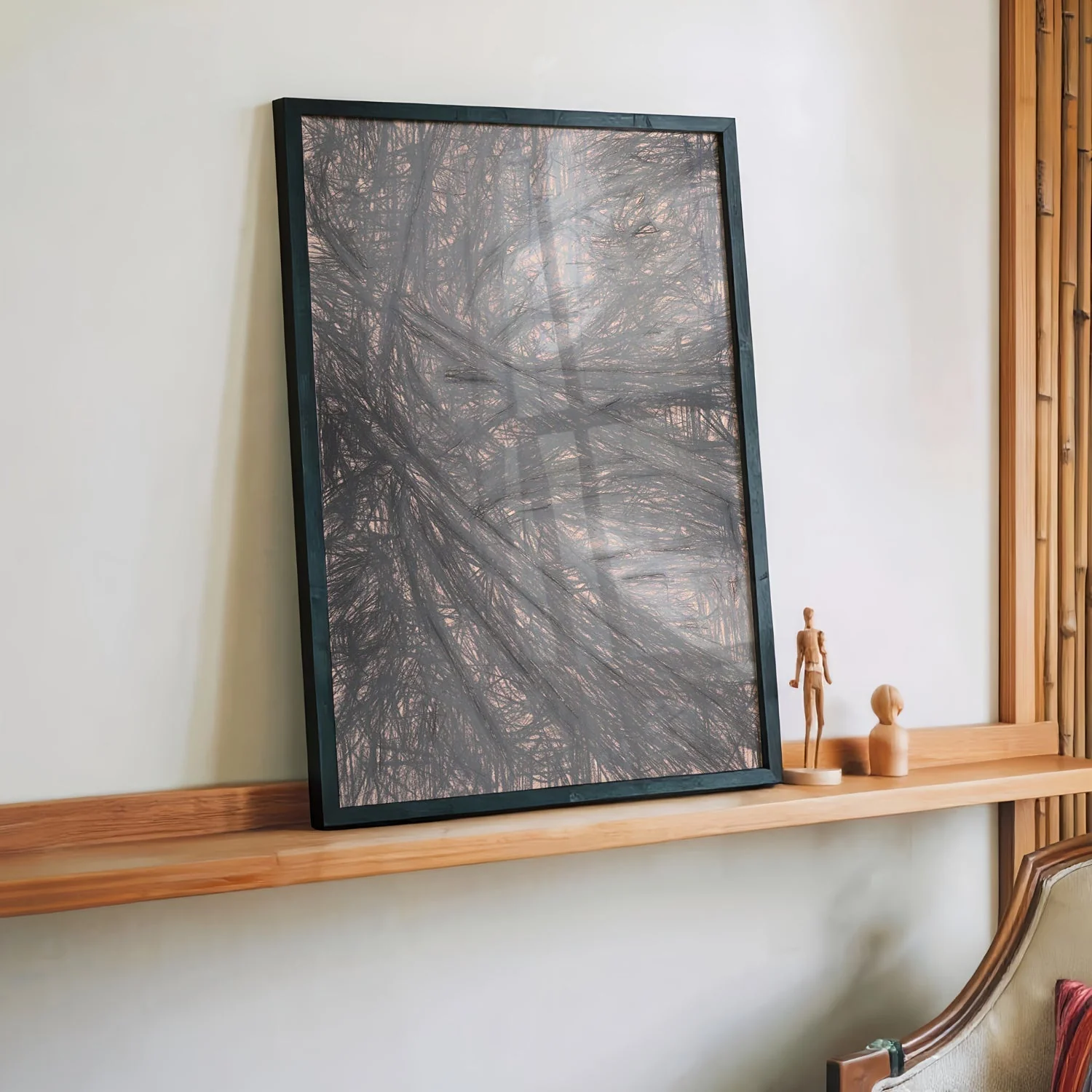
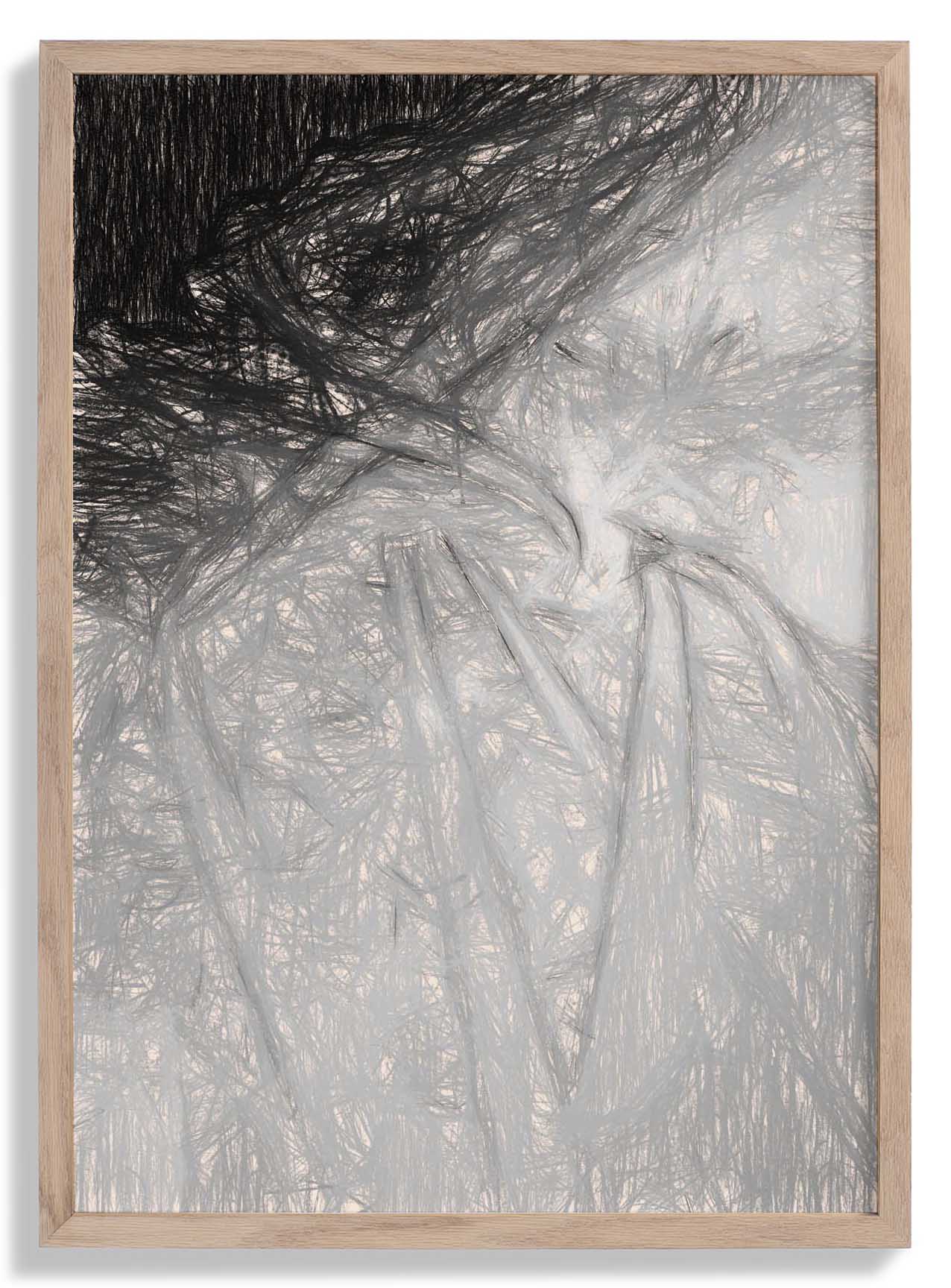
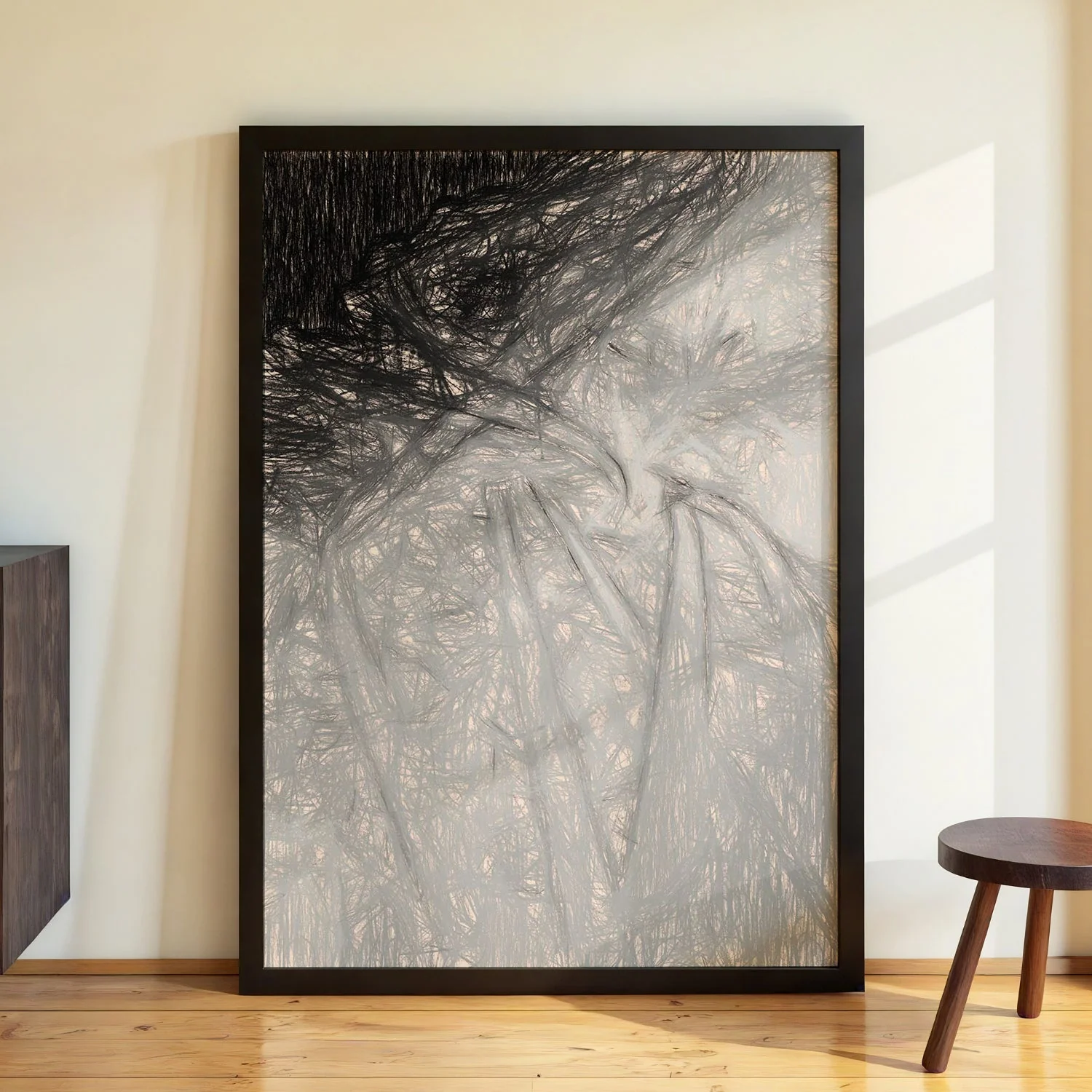
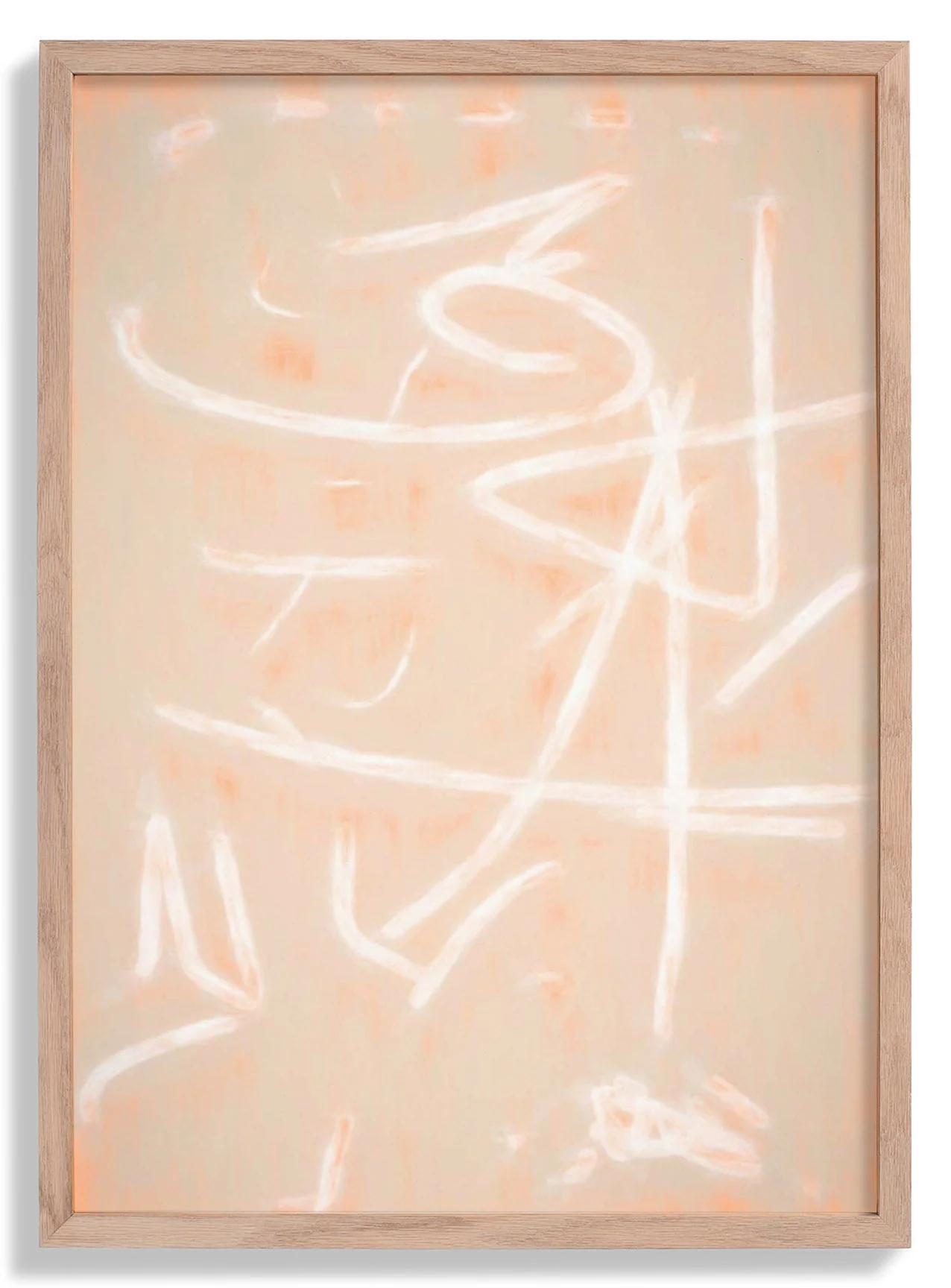
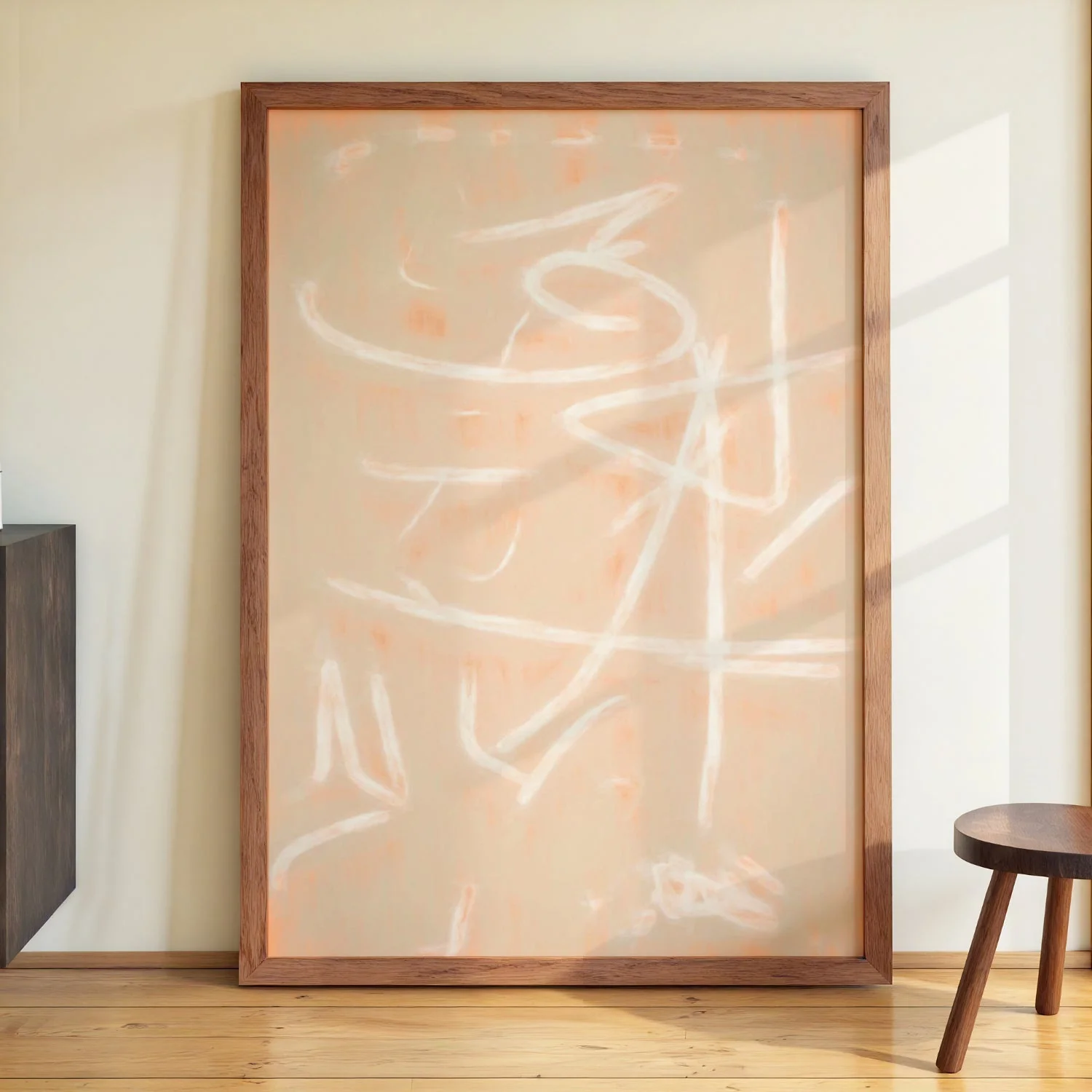
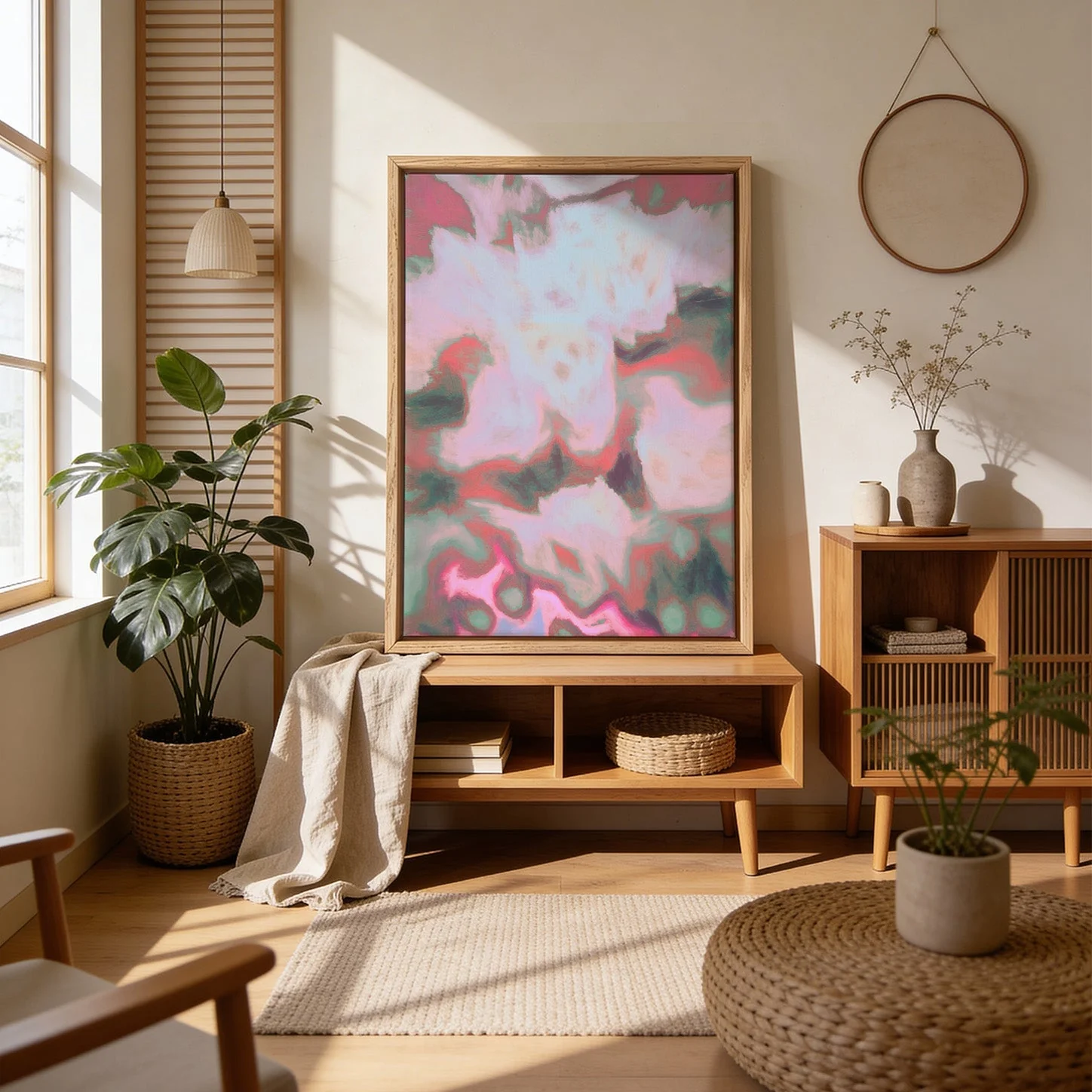
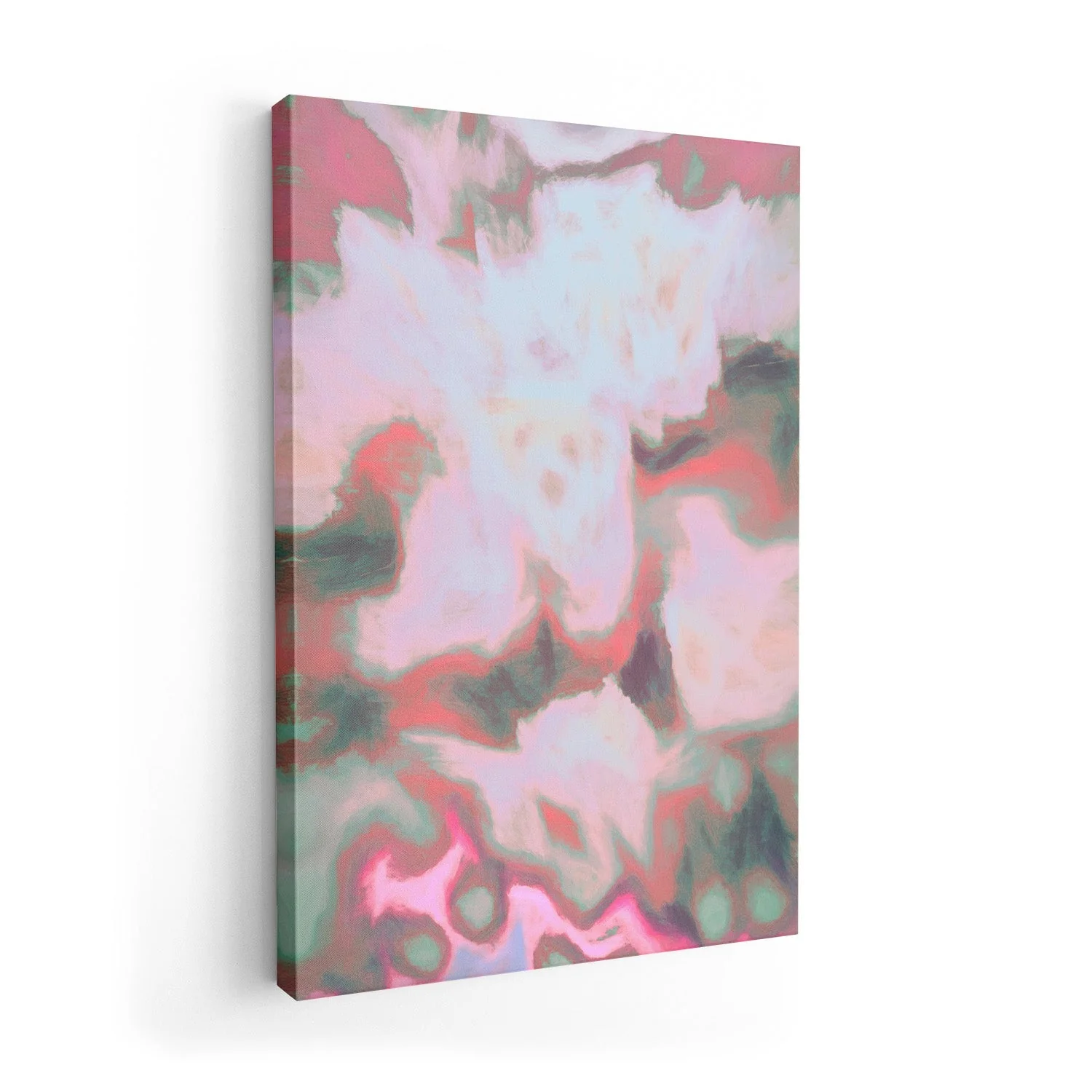
In Riddle Trees Part 3, Henry Hu pushes the series further into ambiguity — tree structures fragment and reassemble across the surface, their forms interrupted by washes of colour and deliberate erasure. The composition is built on rhythm as much as image: recurring vertical gestures anchor the eye while horizontal sweeps introduce movement and instability. It is work that rewards close attention, each viewing revealing different weight distributions and spatial relationships. Hu's control of negative space is particularly evident here, the unpainted ground working as actively as any mark.
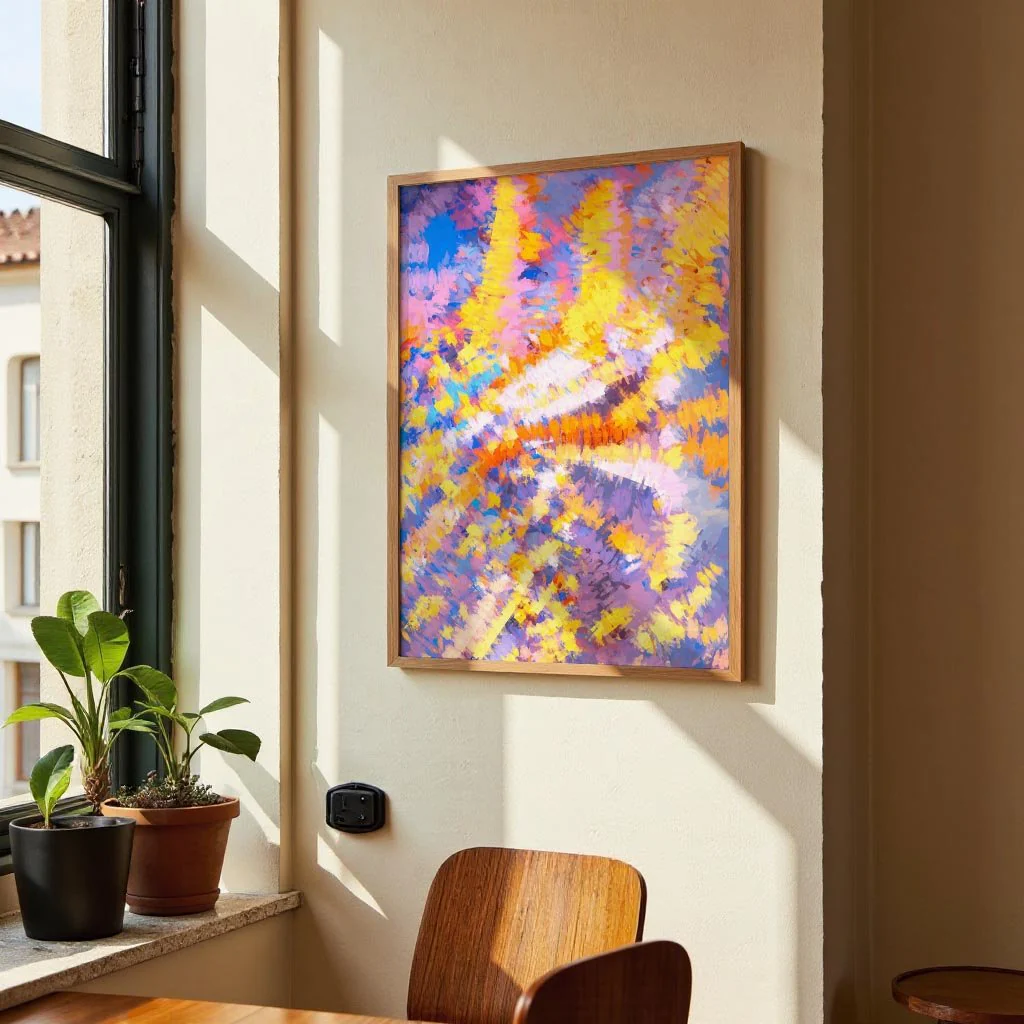
Canvas heightens the interplay between Hu's dense passages and open ground — the textile surface adds warmth and dimension that makes the work's spatial logic feel physical. Hand-produced in Berlin as an archival canvas print, crafted for lasting wall presence.
Original: $38.34
-65%$38.34
$13.42More Images




Riddle Trees (Part 3) by HENRY HU
In Riddle Trees Part 3, Henry Hu pushes the series further into ambiguity — tree structures fragment and reassemble across the surface, their forms interrupted by washes of colour and deliberate erasure. The composition is built on rhythm as much as image: recurring vertical gestures anchor the eye while horizontal sweeps introduce movement and instability. It is work that rewards close attention, each viewing revealing different weight distributions and spatial relationships. Hu's control of negative space is particularly evident here, the unpainted ground working as actively as any mark.
Canvas heightens the interplay between Hu's dense passages and open ground — the textile surface adds warmth and dimension that makes the work's spatial logic feel physical. Hand-produced in Berlin as an archival canvas print, crafted for lasting wall presence.
Product Information
Product Information
Shipping & Returns
Shipping & Returns
Description
In Riddle Trees Part 3, Henry Hu pushes the series further into ambiguity — tree structures fragment and reassemble across the surface, their forms interrupted by washes of colour and deliberate erasure. The composition is built on rhythm as much as image: recurring vertical gestures anchor the eye while horizontal sweeps introduce movement and instability. It is work that rewards close attention, each viewing revealing different weight distributions and spatial relationships. Hu's control of negative space is particularly evident here, the unpainted ground working as actively as any mark.
Canvas heightens the interplay between Hu's dense passages and open ground — the textile surface adds warmth and dimension that makes the work's spatial logic feel physical. Hand-produced in Berlin as an archival canvas print, crafted for lasting wall presence.