Painting with Green Center by Wassily Kandinsky Exhibition
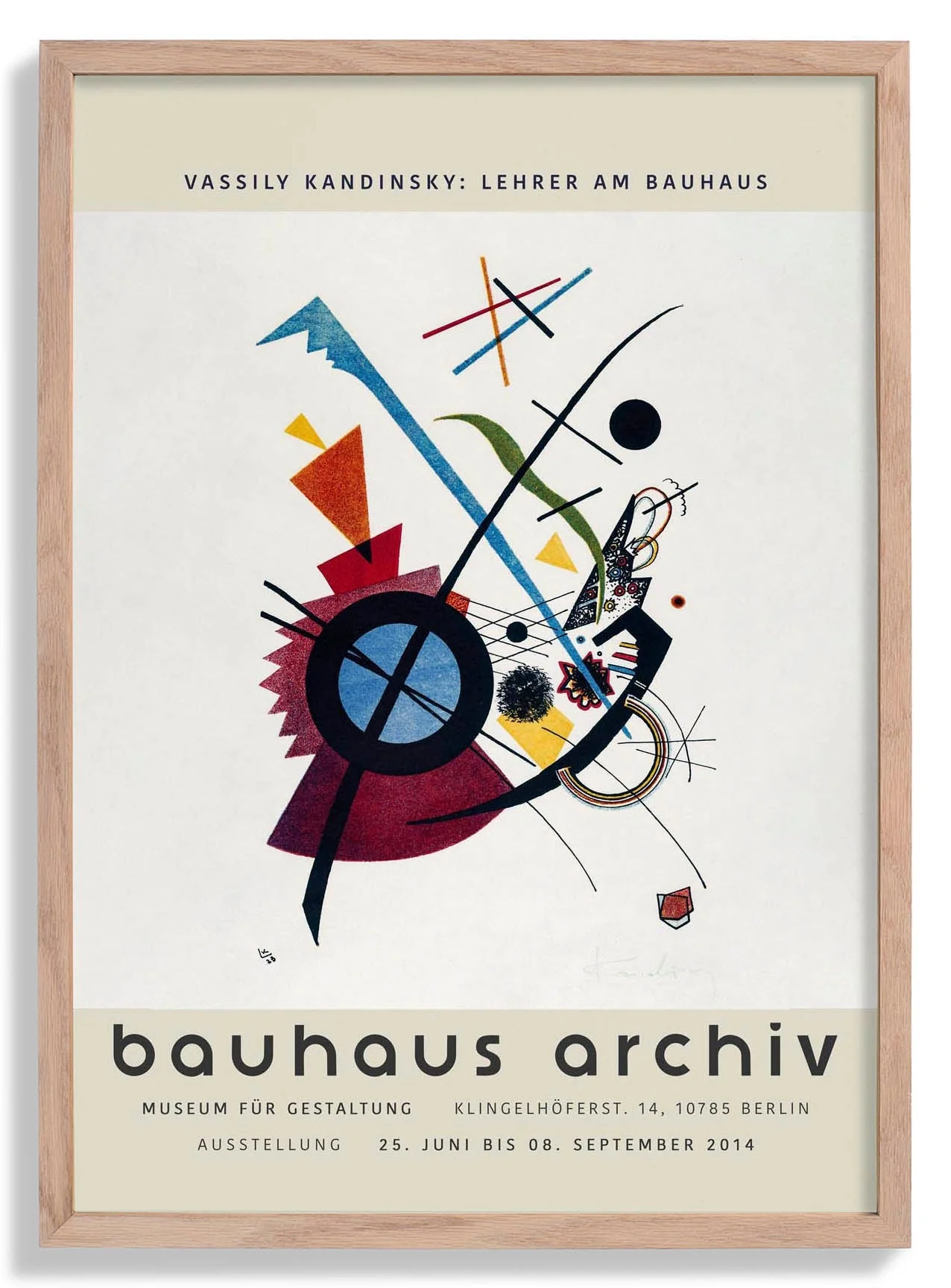
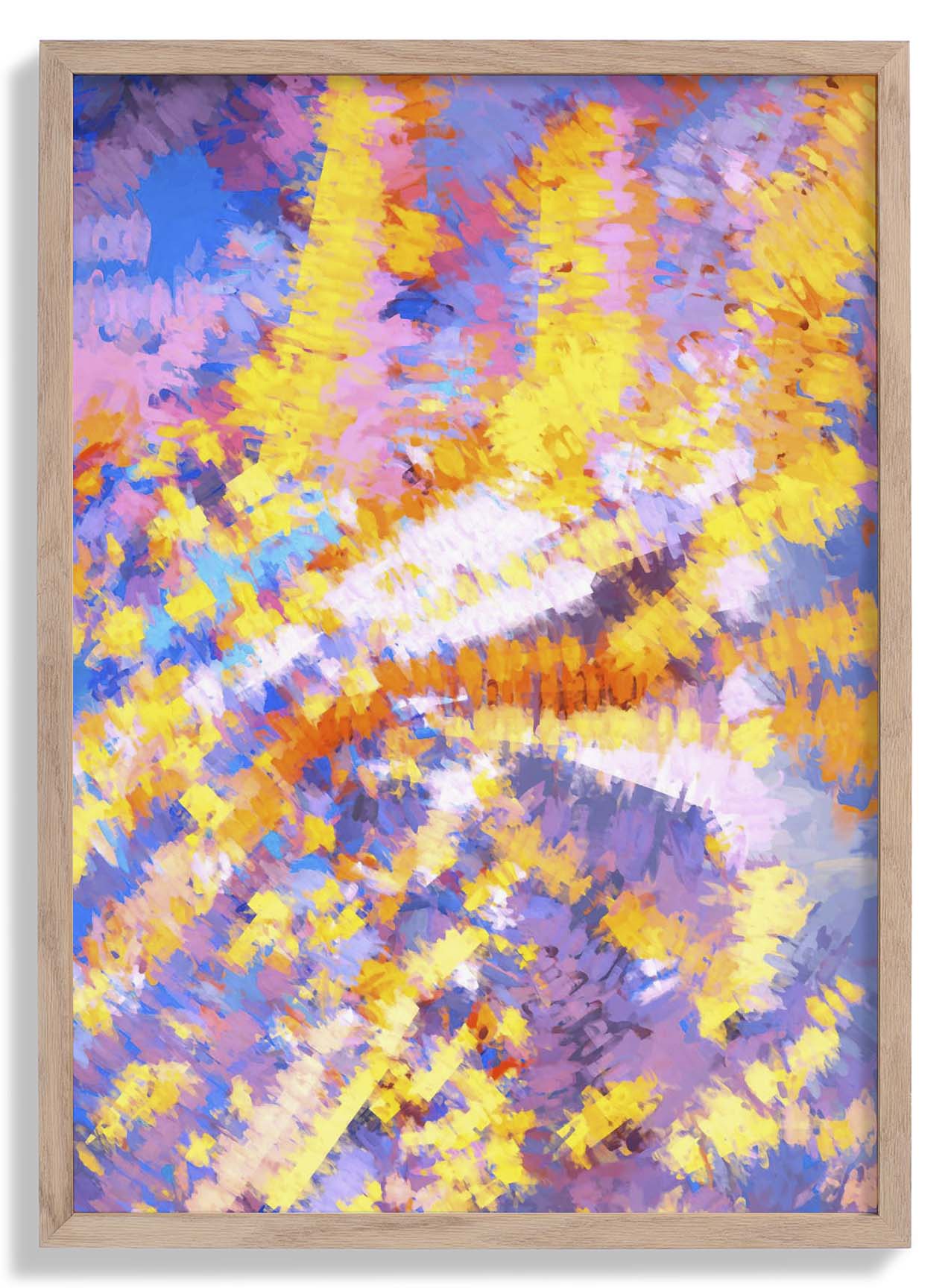
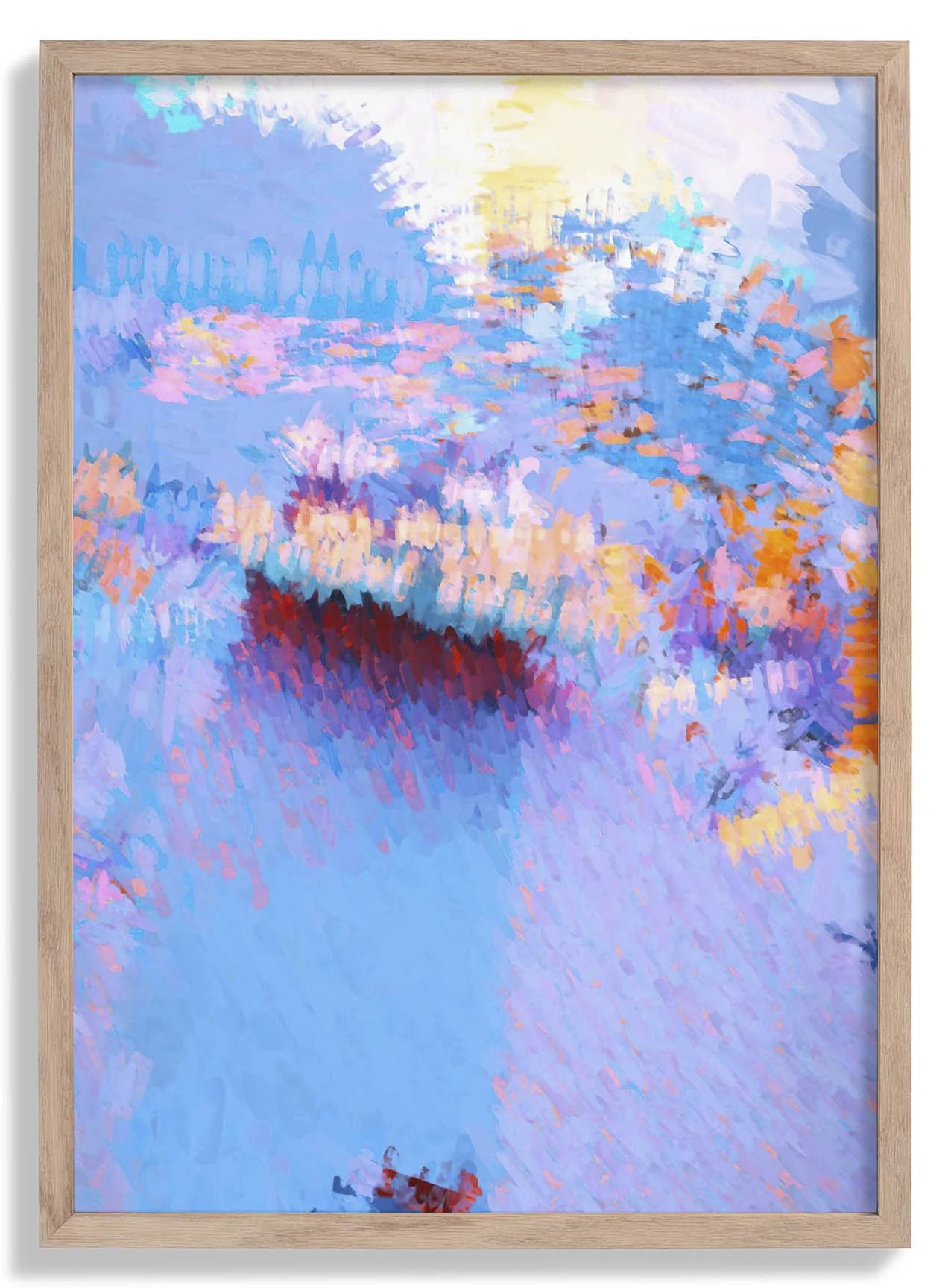
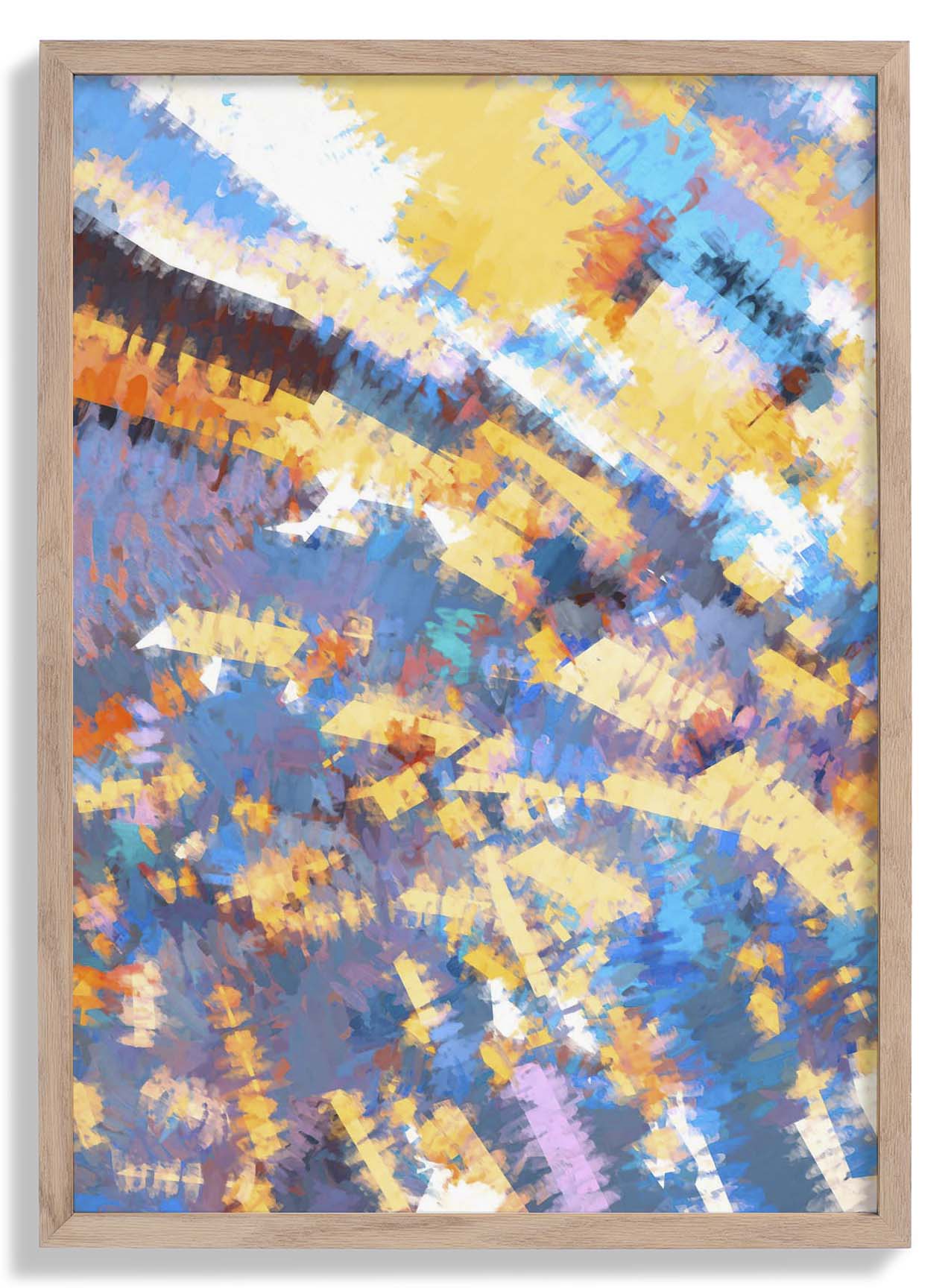
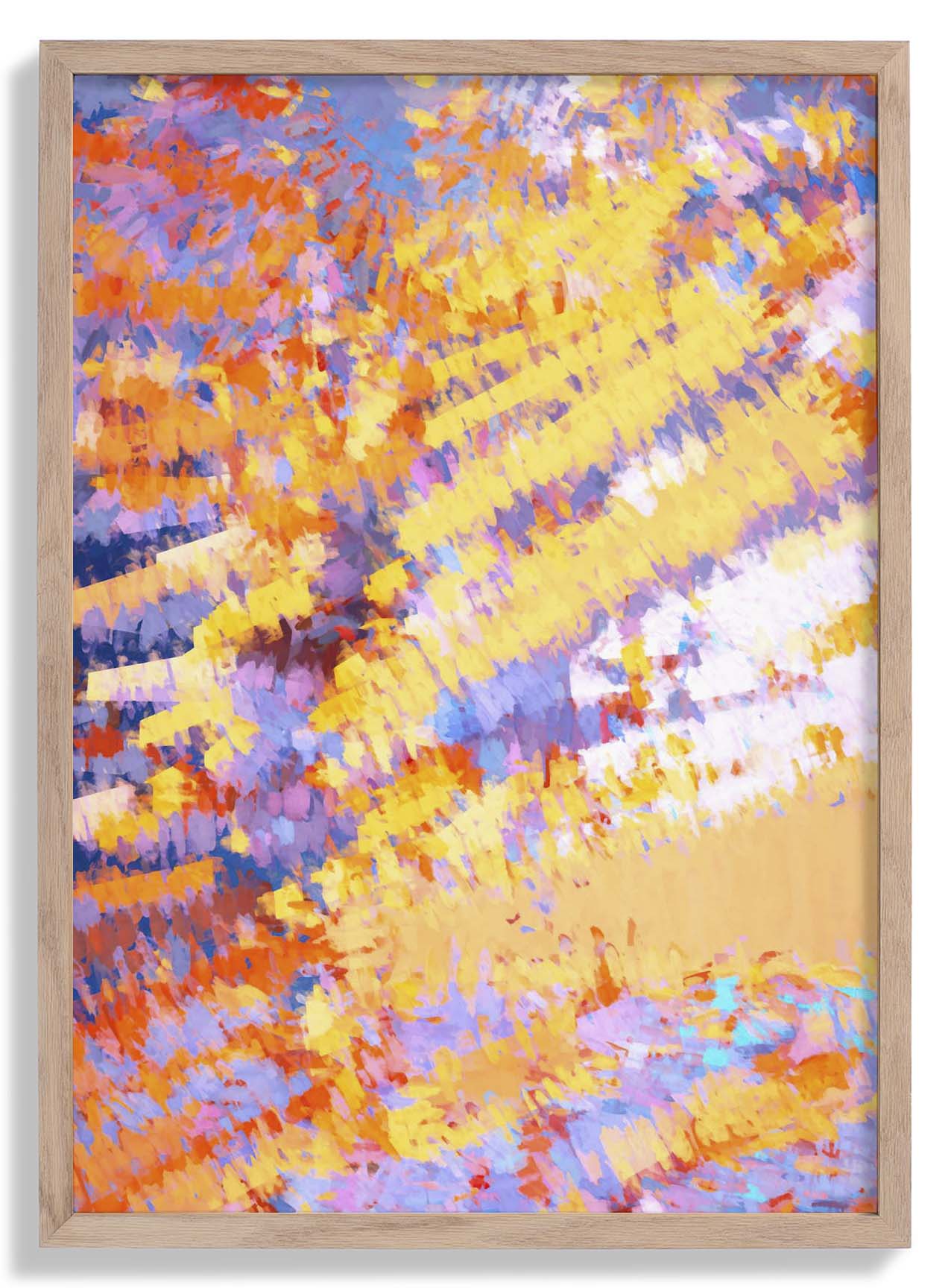
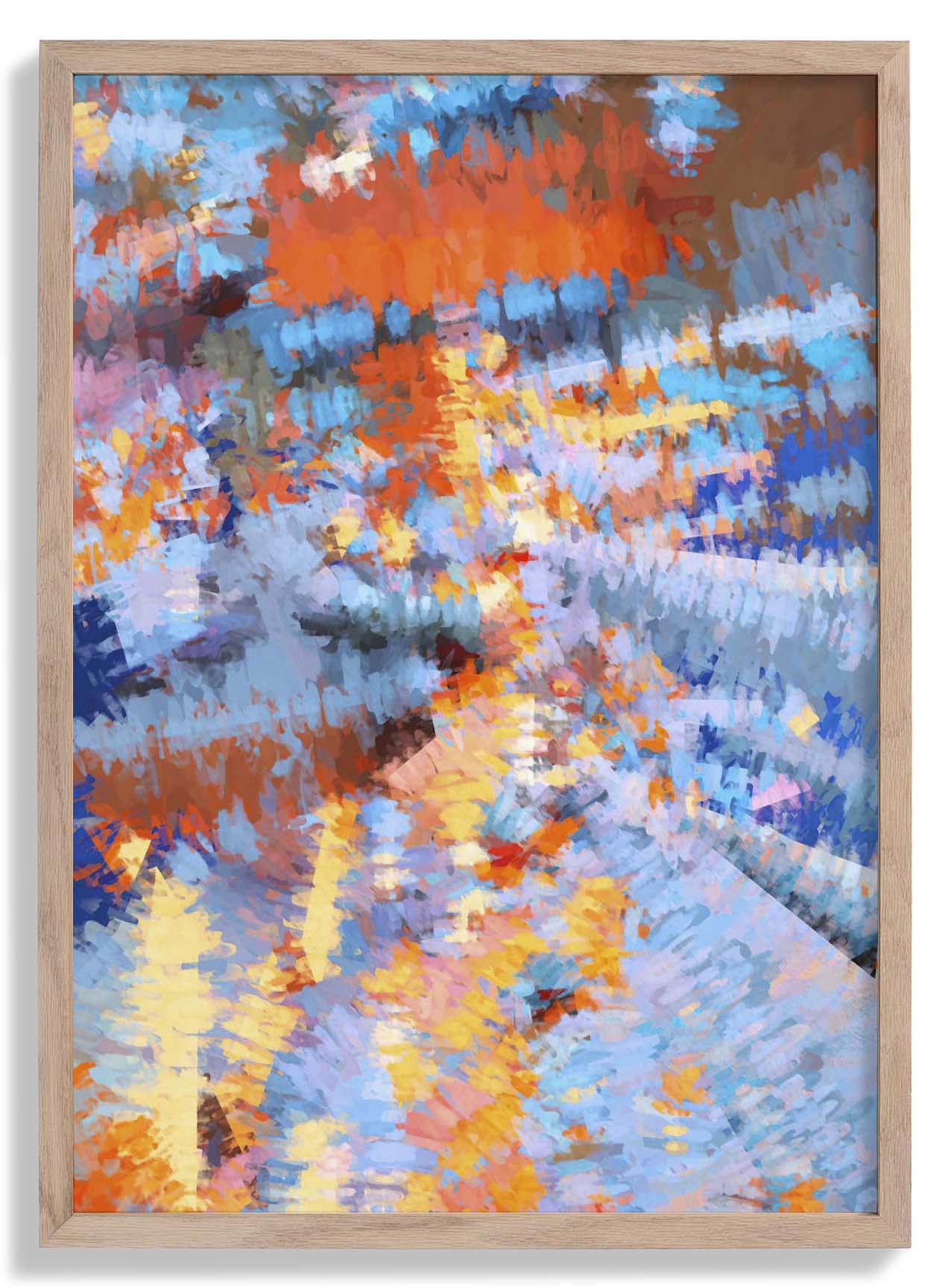
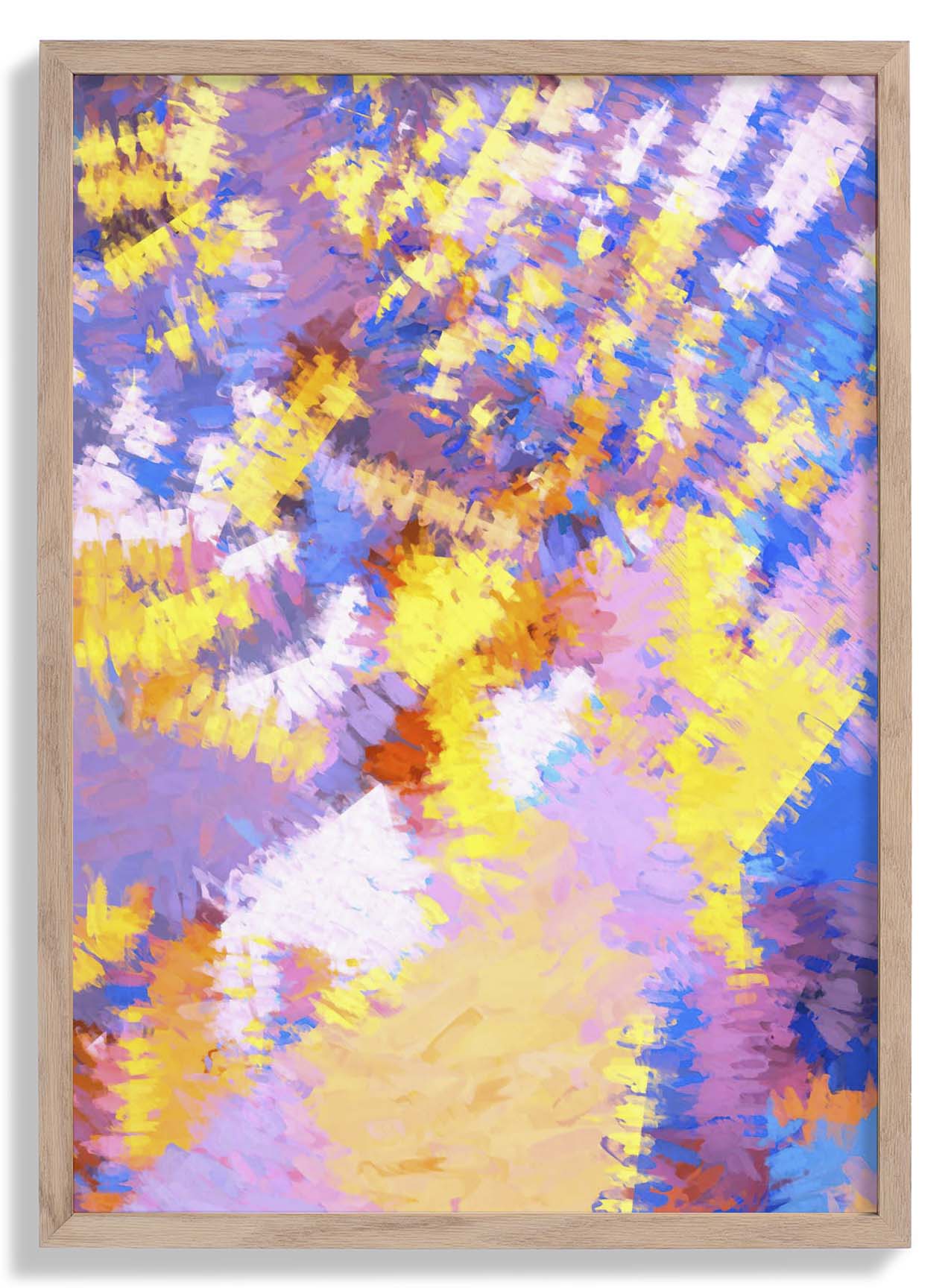
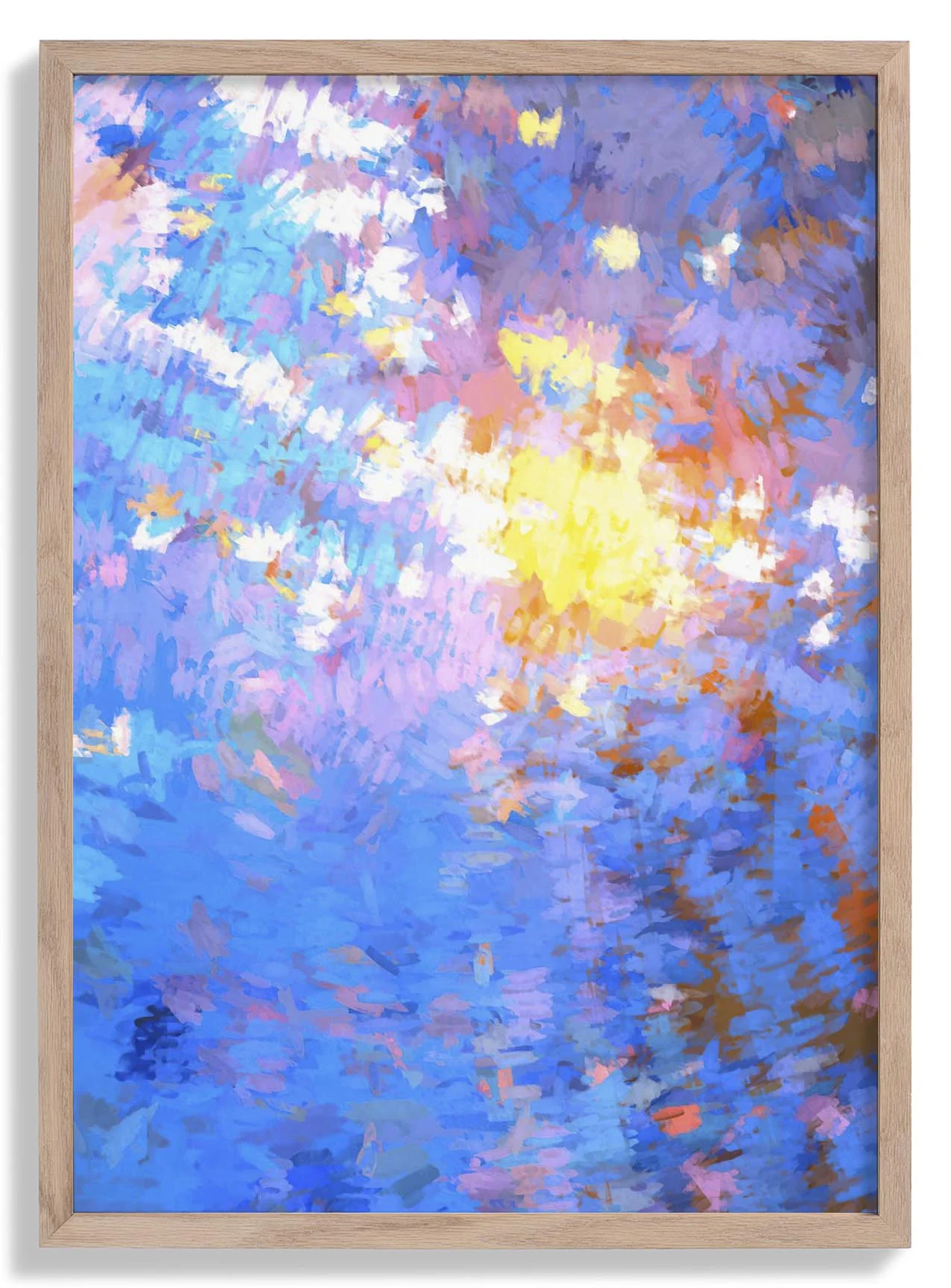
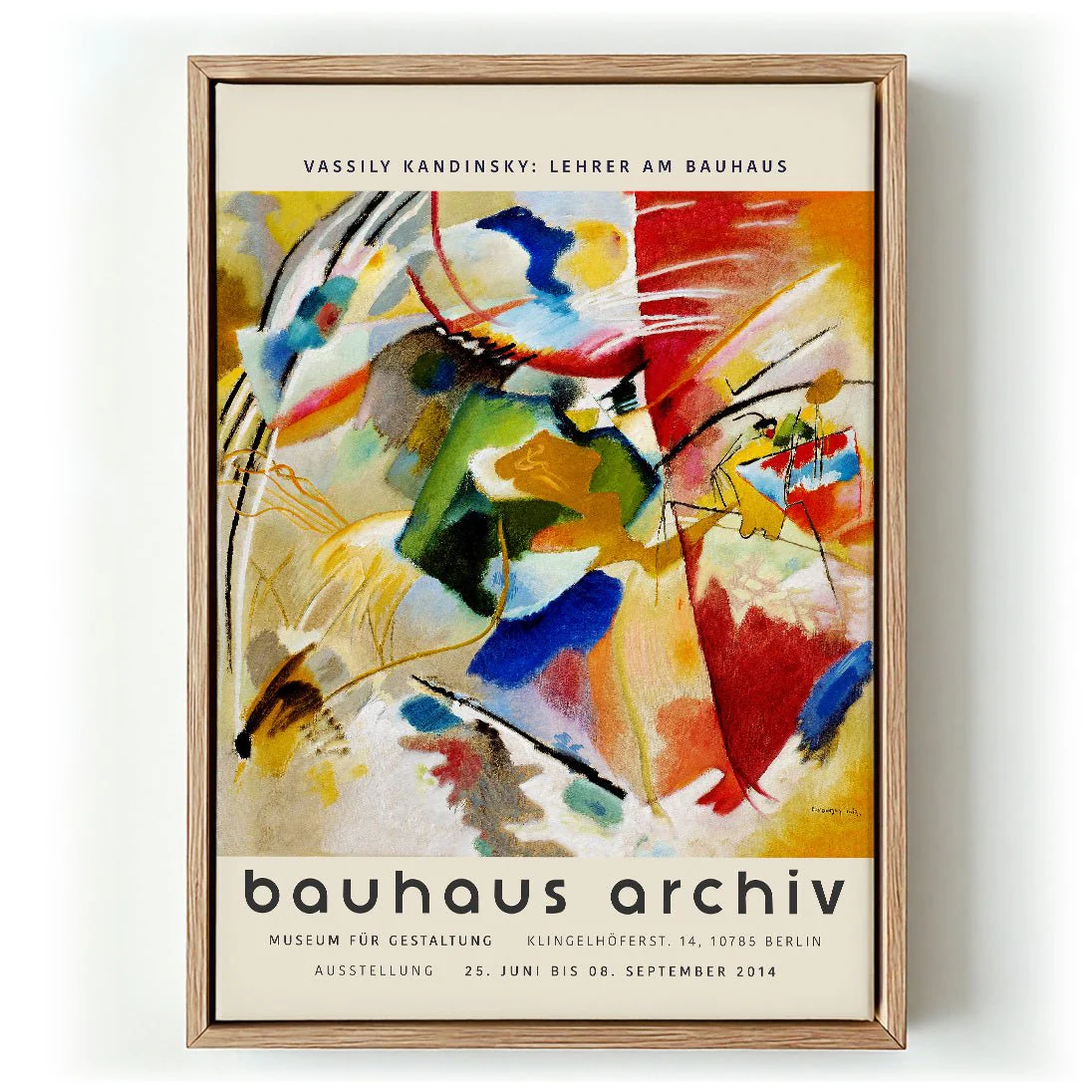
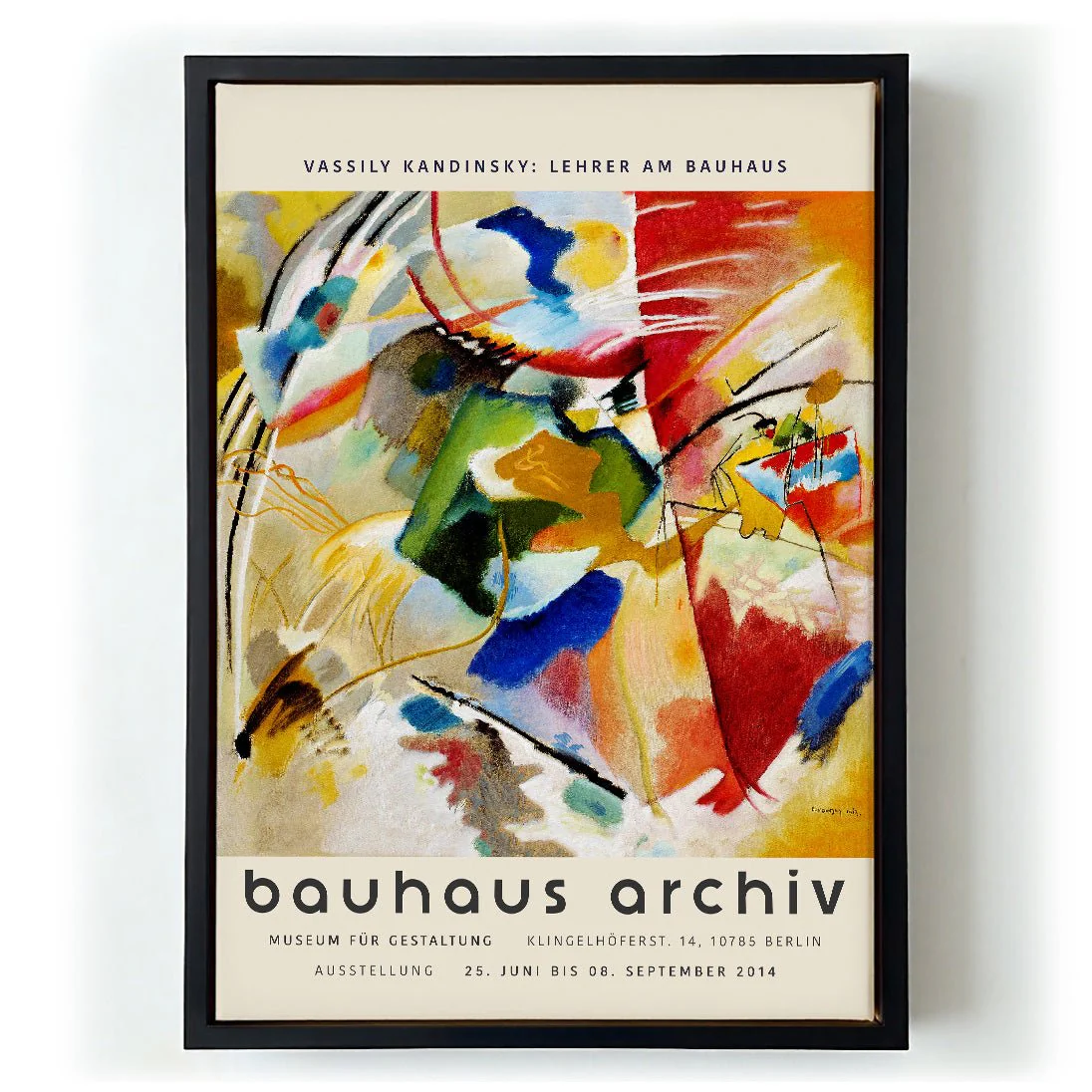
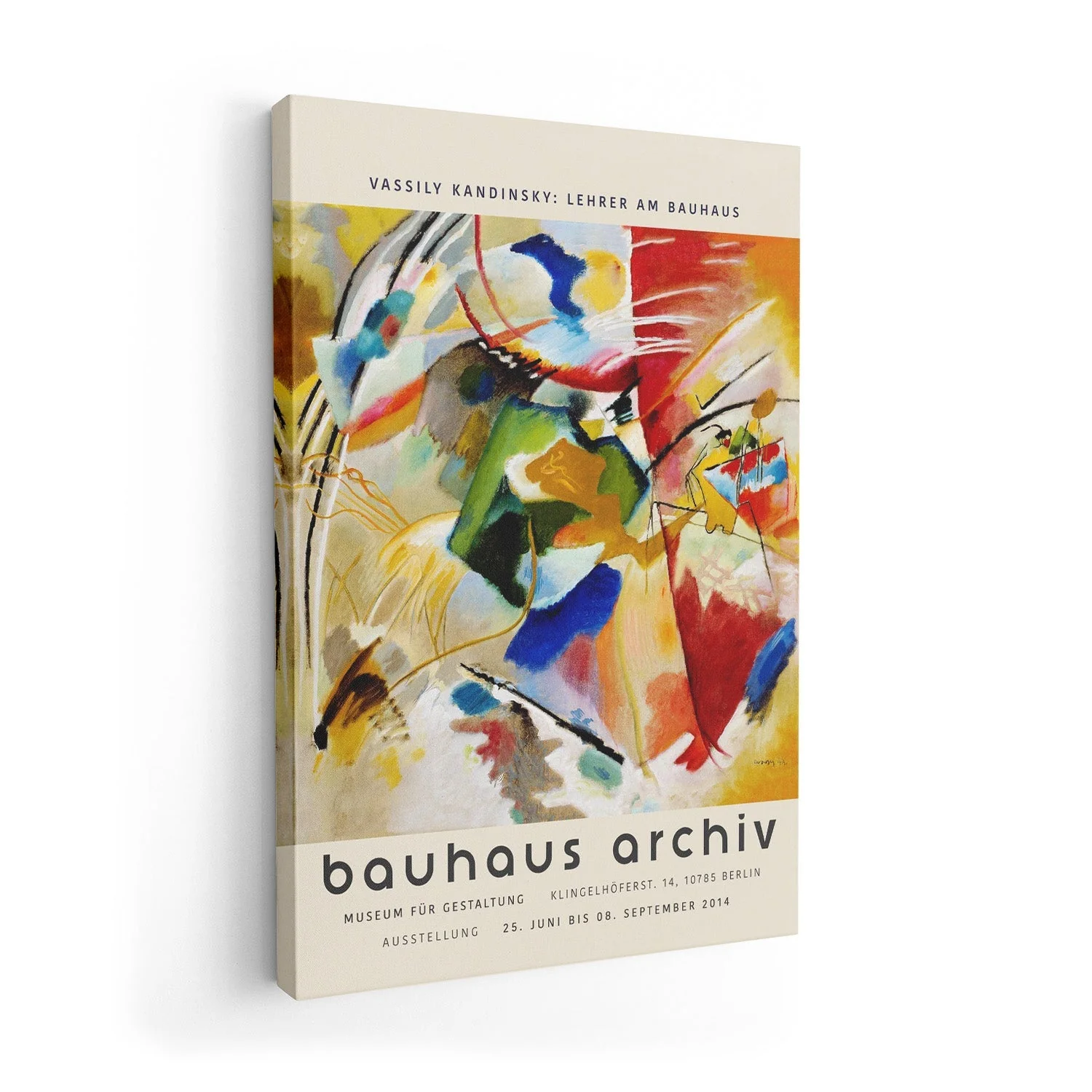
In Painting with Green Centre, Kandinsky organises colour and form as a composer arranges sound — with intention, rhythm, and deliberate contrast. A luminous green core radiates outward, surrounded by arcs, curves, and colliding chromatic zones that resist narrative but compel attention. Painted during Kandinsky's Munich period, this work belongs to his lyrical abstractions: emotionally charged, spiritually motivated, and built on the conviction that colour alone can move the viewer without reference to the visible world.
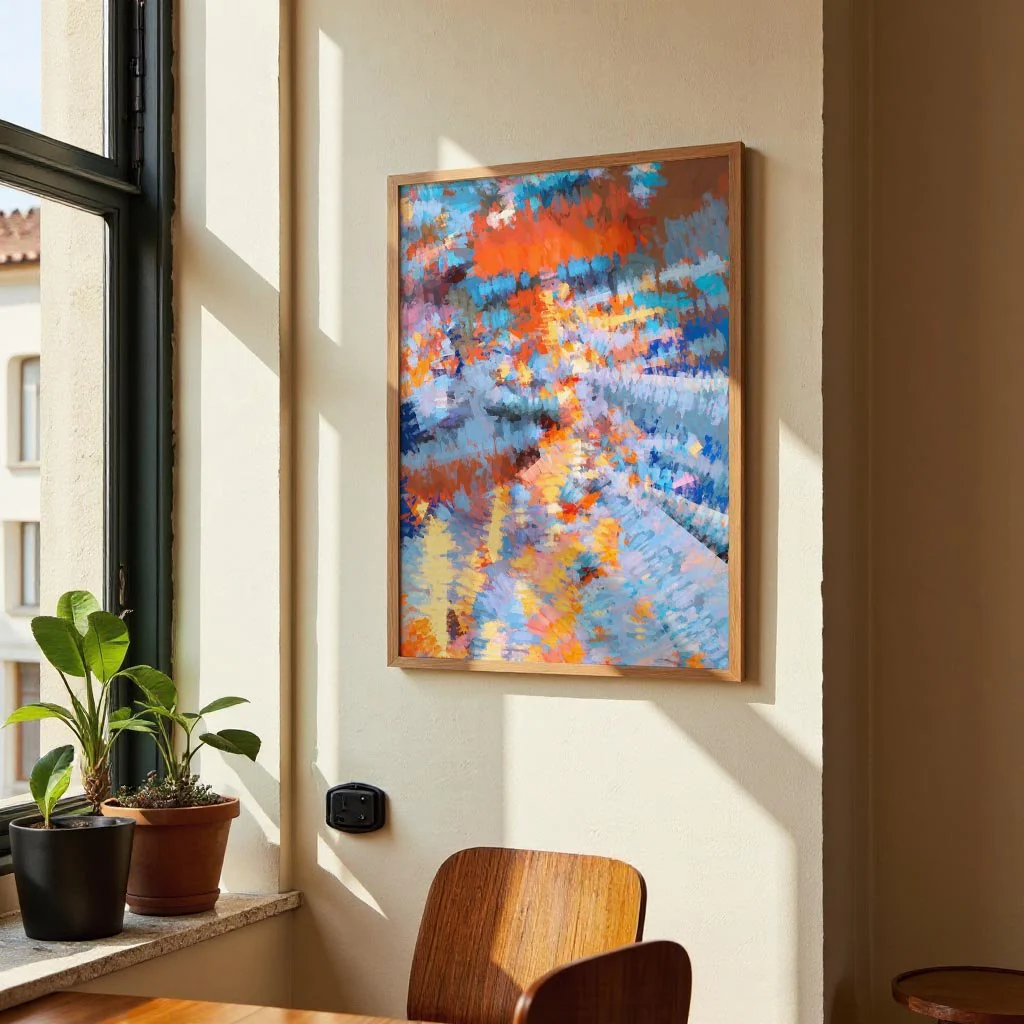
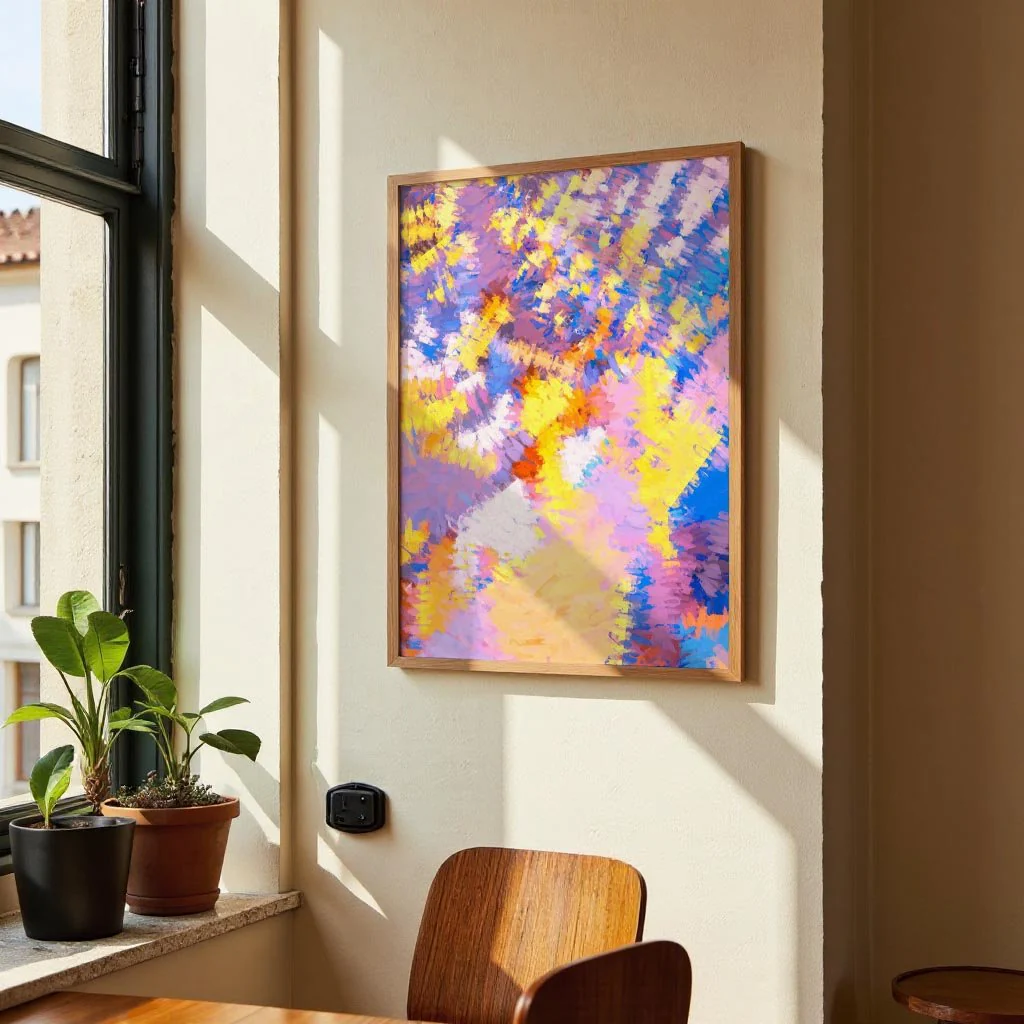
The complexity of Kandinsky's layered colour fields rewards the tactile surface of canvas. On a canvas print, each zone of colour acquires depth and vibrancy that brings the abstraction forward — making the painting feel less like a reproduction and more like a presence in the room.
More Images

Painting with Green Center by Wassily Kandinsky Exhibition
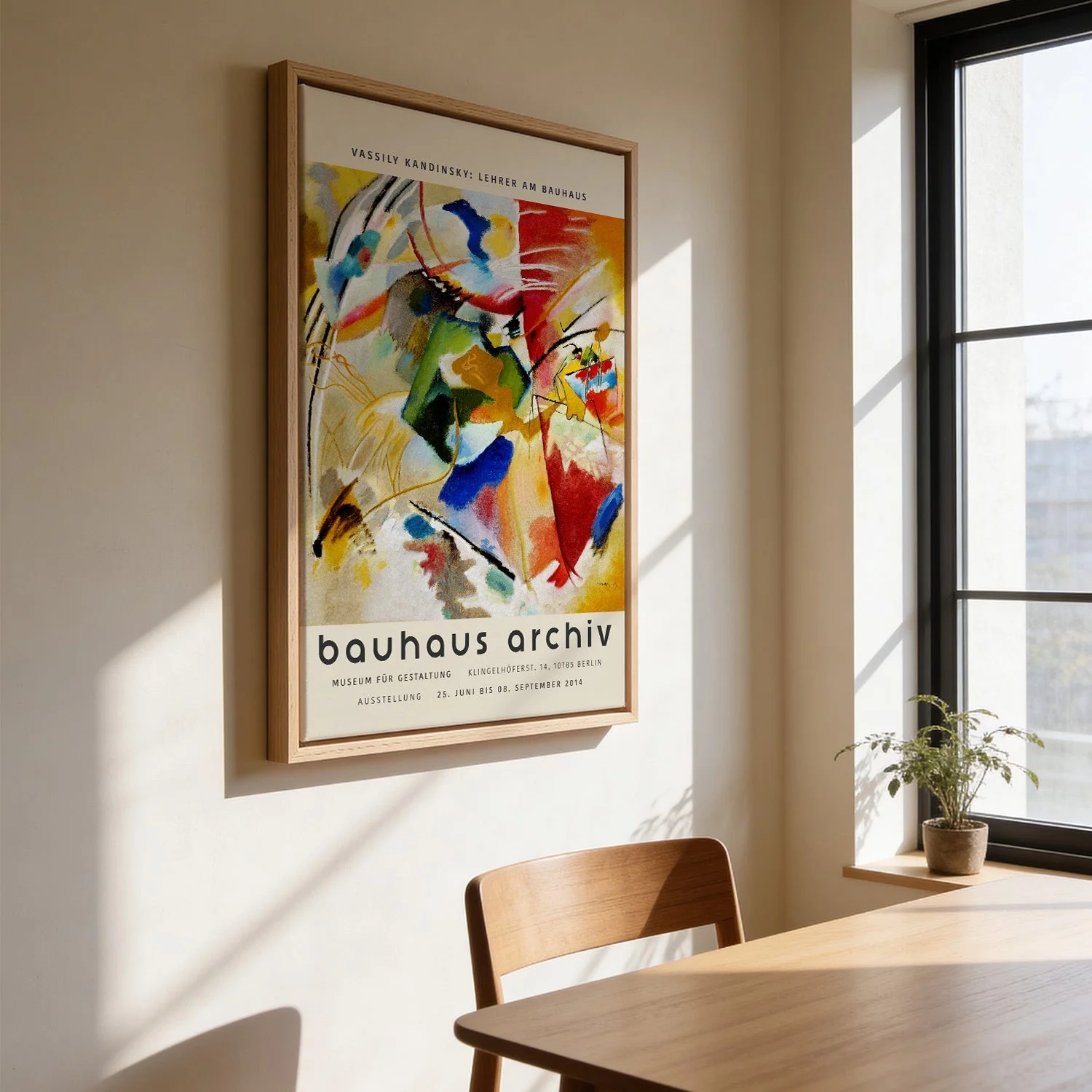
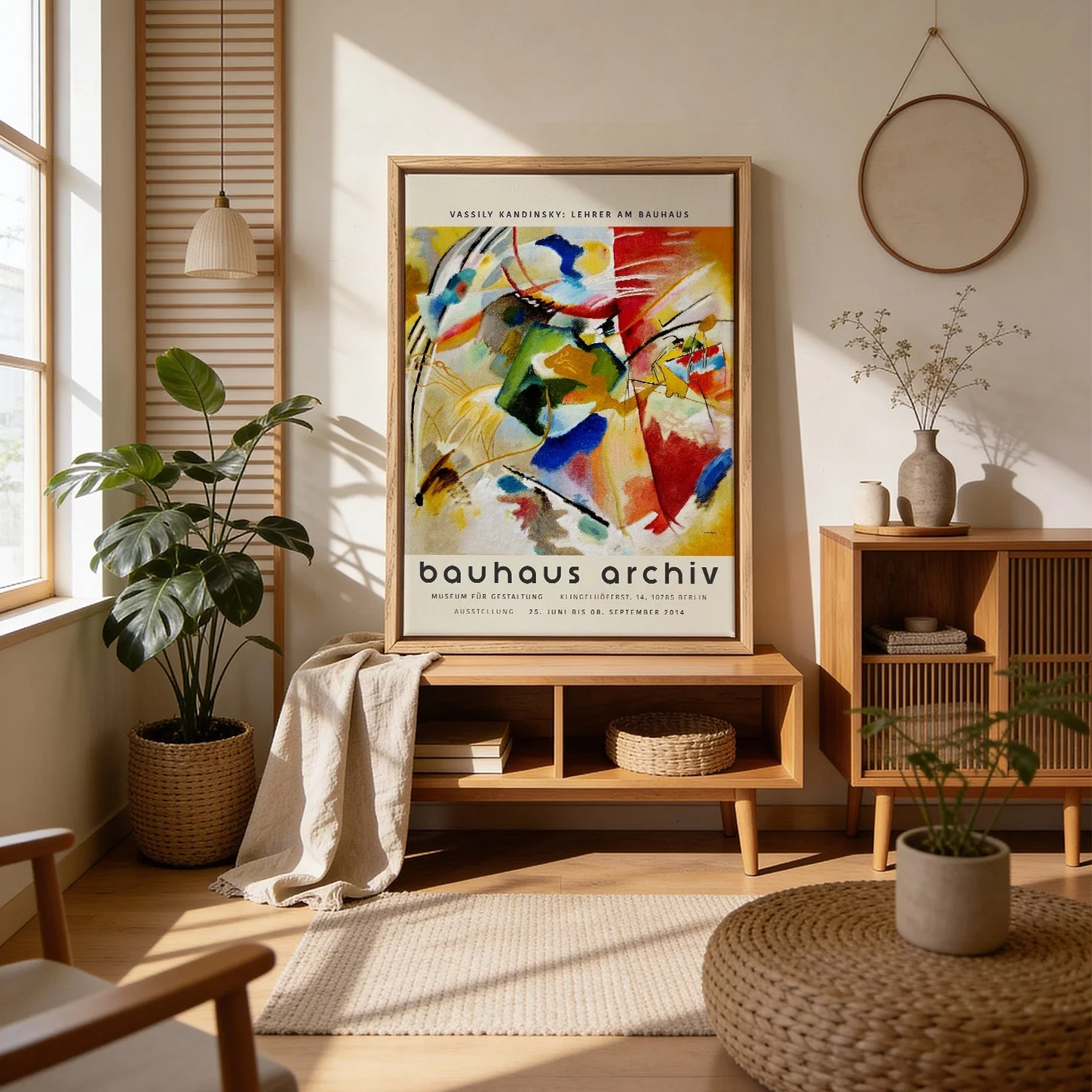
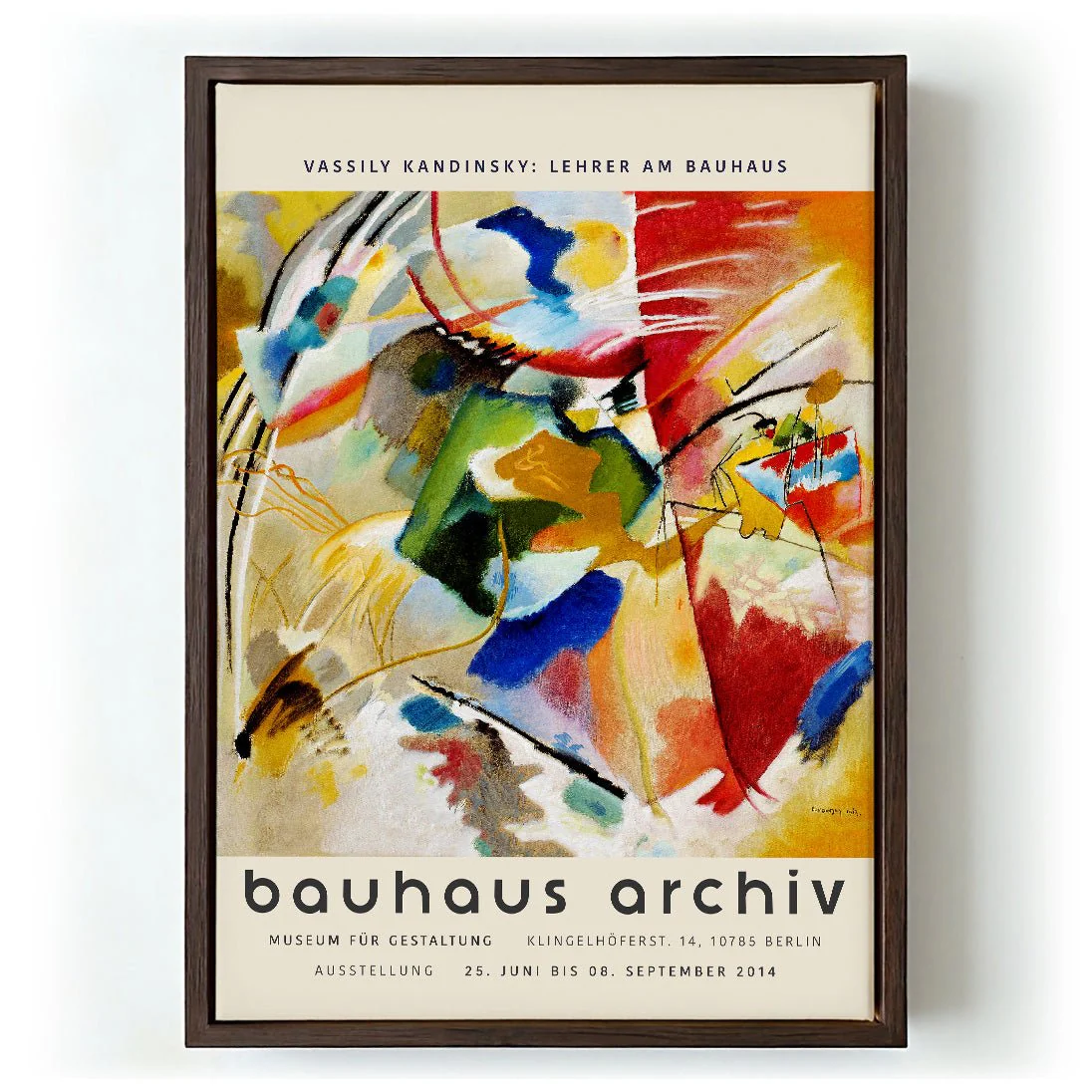
In Painting with Green Centre, Kandinsky organises colour and form as a composer arranges sound — with intention, rhythm, and deliberate contrast. A luminous green core radiates outward, surrounded by arcs, curves, and colliding chromatic zones that resist narrative but compel attention. Painted during Kandinsky's Munich period, this work belongs to his lyrical abstractions: emotionally charged, spiritually motivated, and built on the conviction that colour alone can move the viewer without reference to the visible world.
The complexity of Kandinsky's layered colour fields rewards the tactile surface of canvas. On a canvas print, each zone of colour acquires depth and vibrancy that brings the abstraction forward — making the painting feel less like a reproduction and more like a presence in the room.
Product Information
Product Information
Shipping & Returns
Shipping & Returns
Description
In Painting with Green Centre, Kandinsky organises colour and form as a composer arranges sound — with intention, rhythm, and deliberate contrast. A luminous green core radiates outward, surrounded by arcs, curves, and colliding chromatic zones that resist narrative but compel attention. Painted during Kandinsky's Munich period, this work belongs to his lyrical abstractions: emotionally charged, spiritually motivated, and built on the conviction that colour alone can move the viewer without reference to the visible world.
The complexity of Kandinsky's layered colour fields rewards the tactile surface of canvas. On a canvas print, each zone of colour acquires depth and vibrancy that brings the abstraction forward — making the painting feel less like a reproduction and more like a presence in the room.