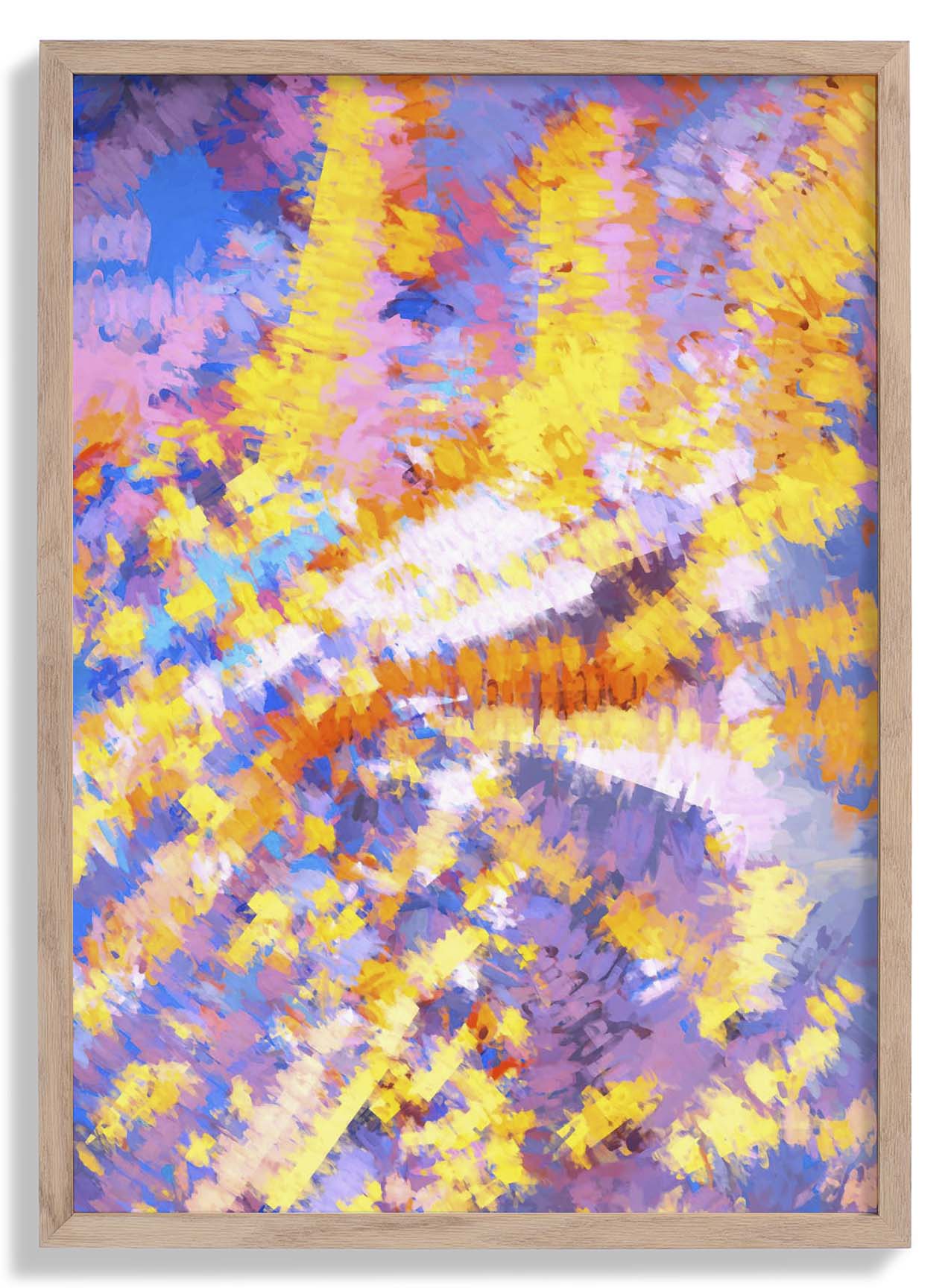
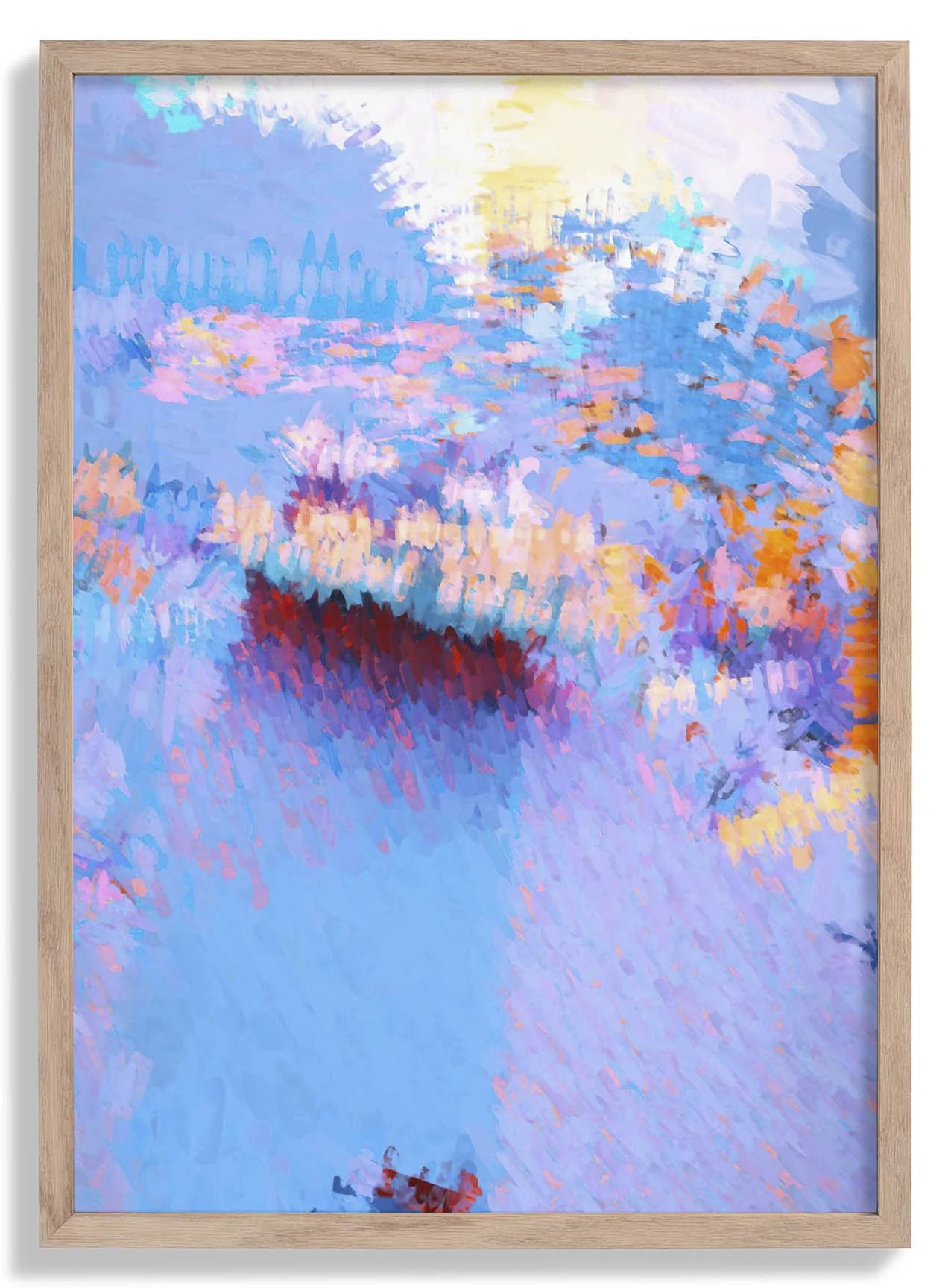
Composition VIII by Wassily Kandinsky
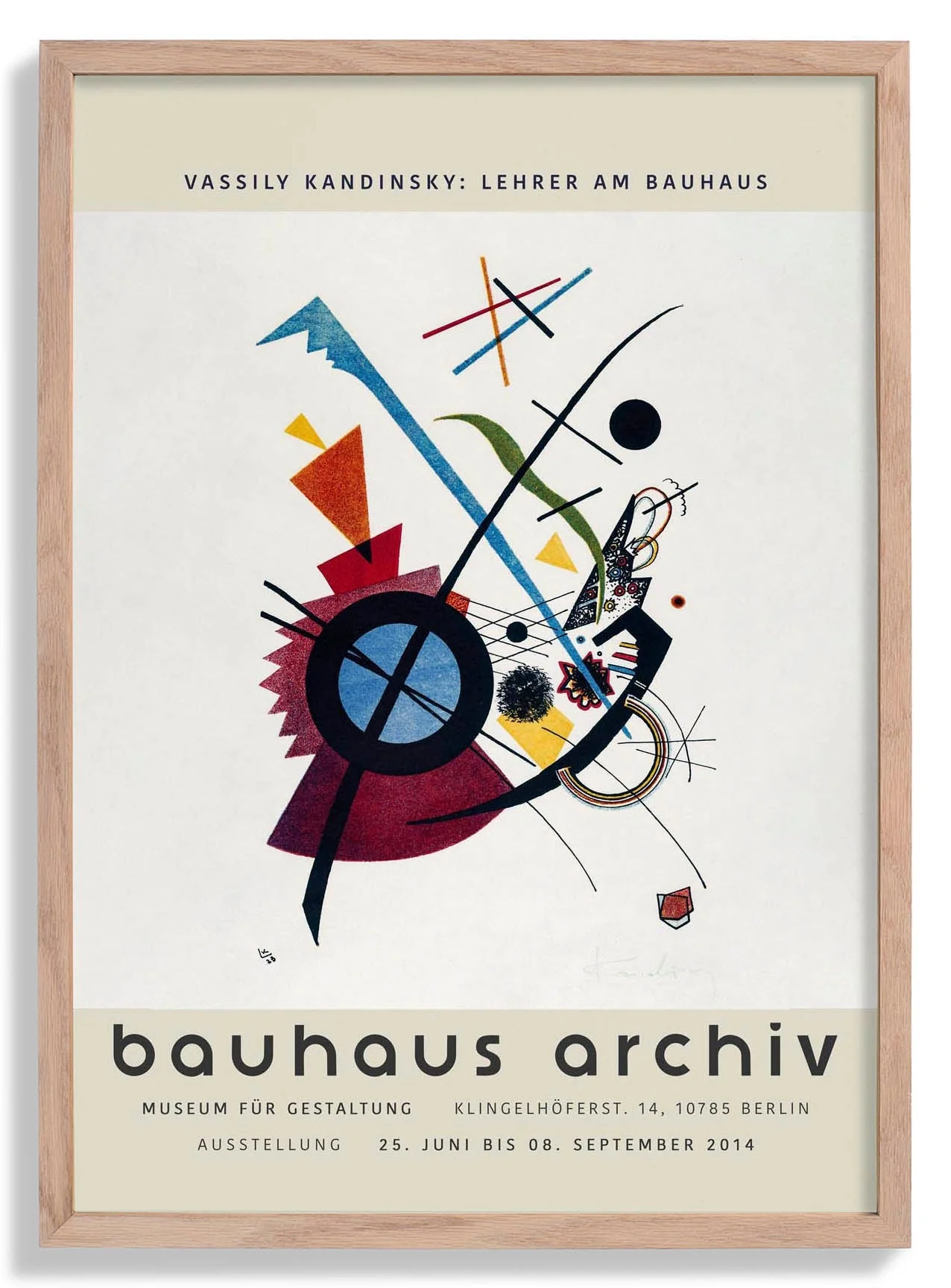
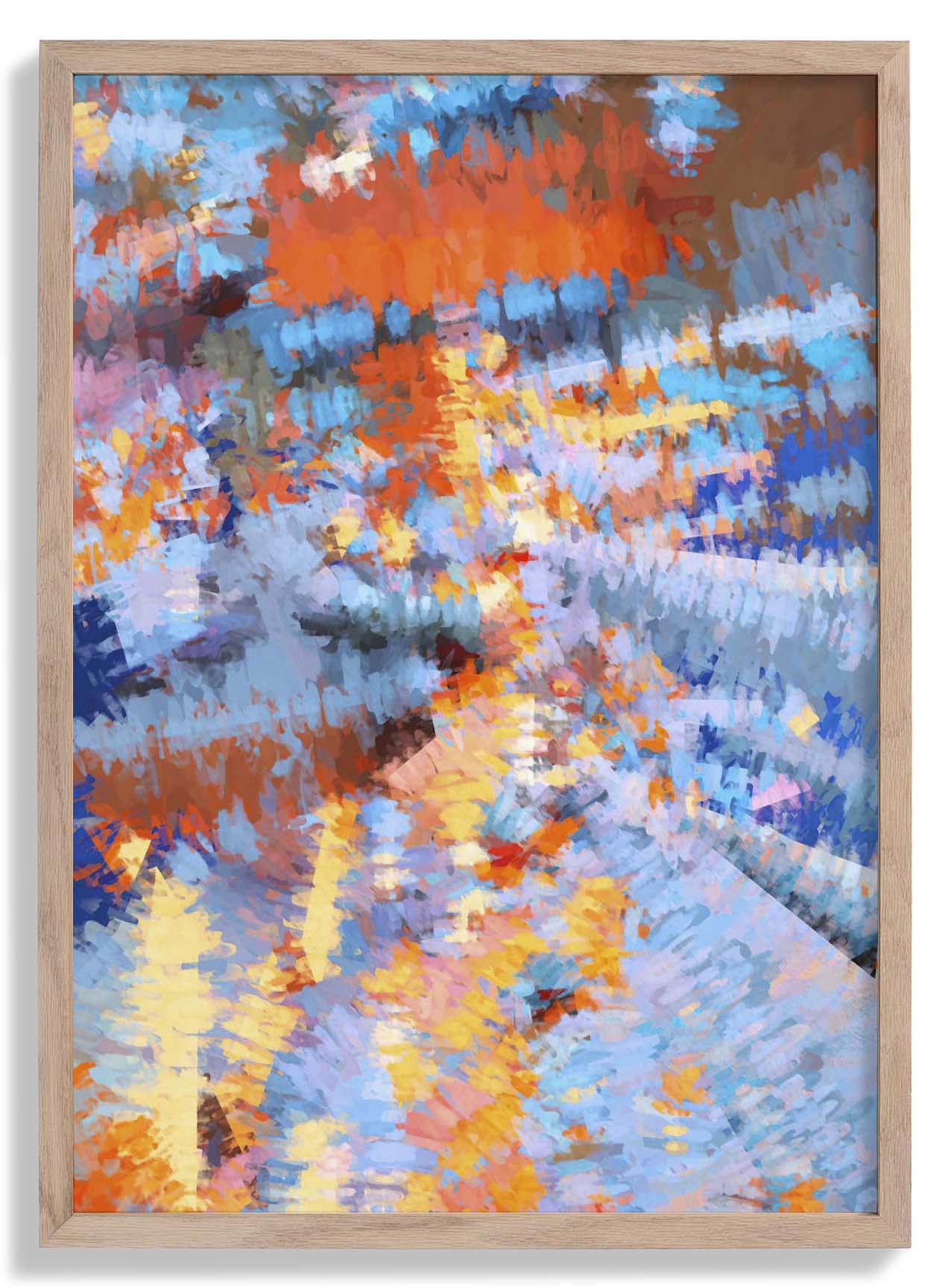
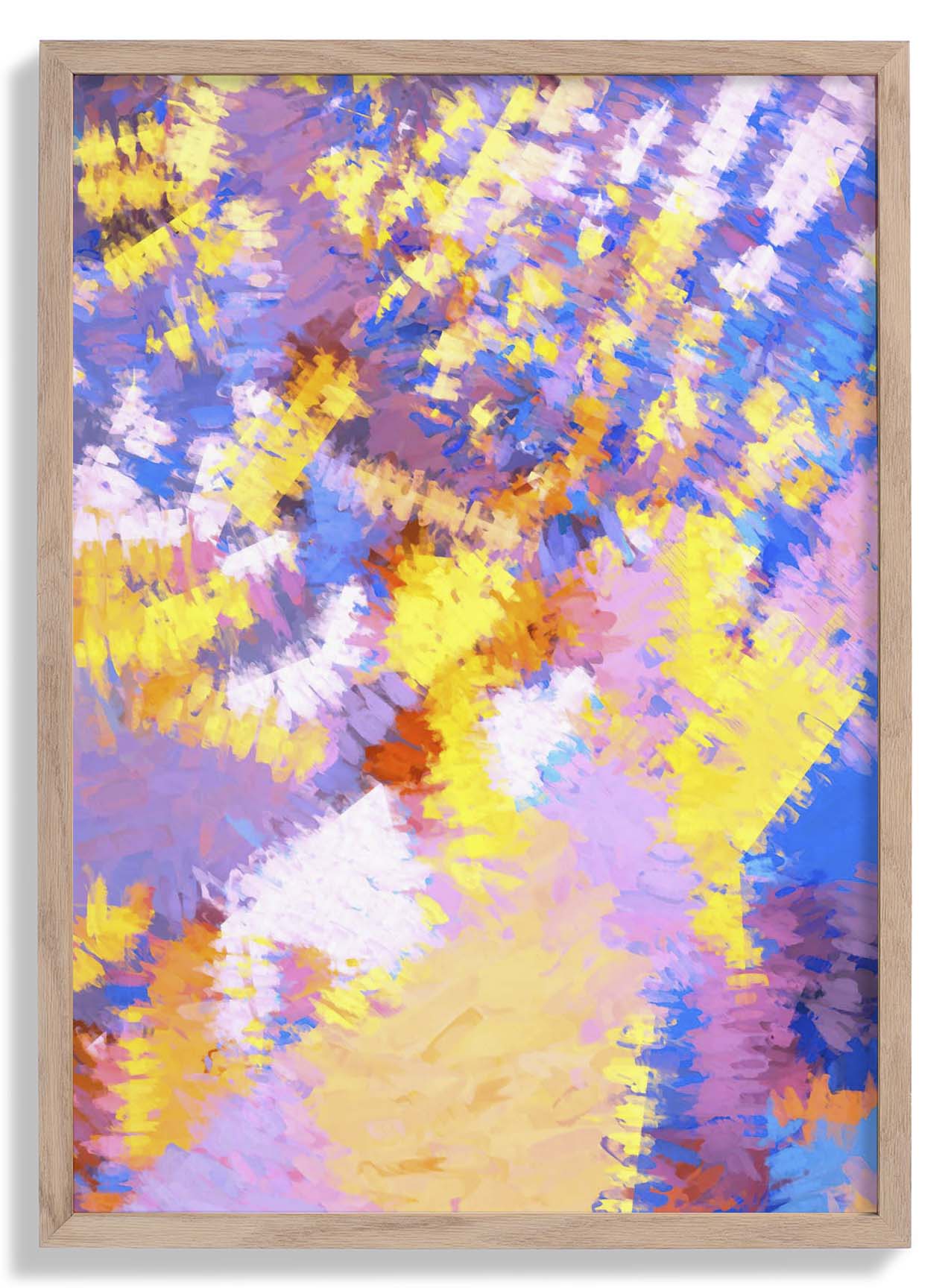
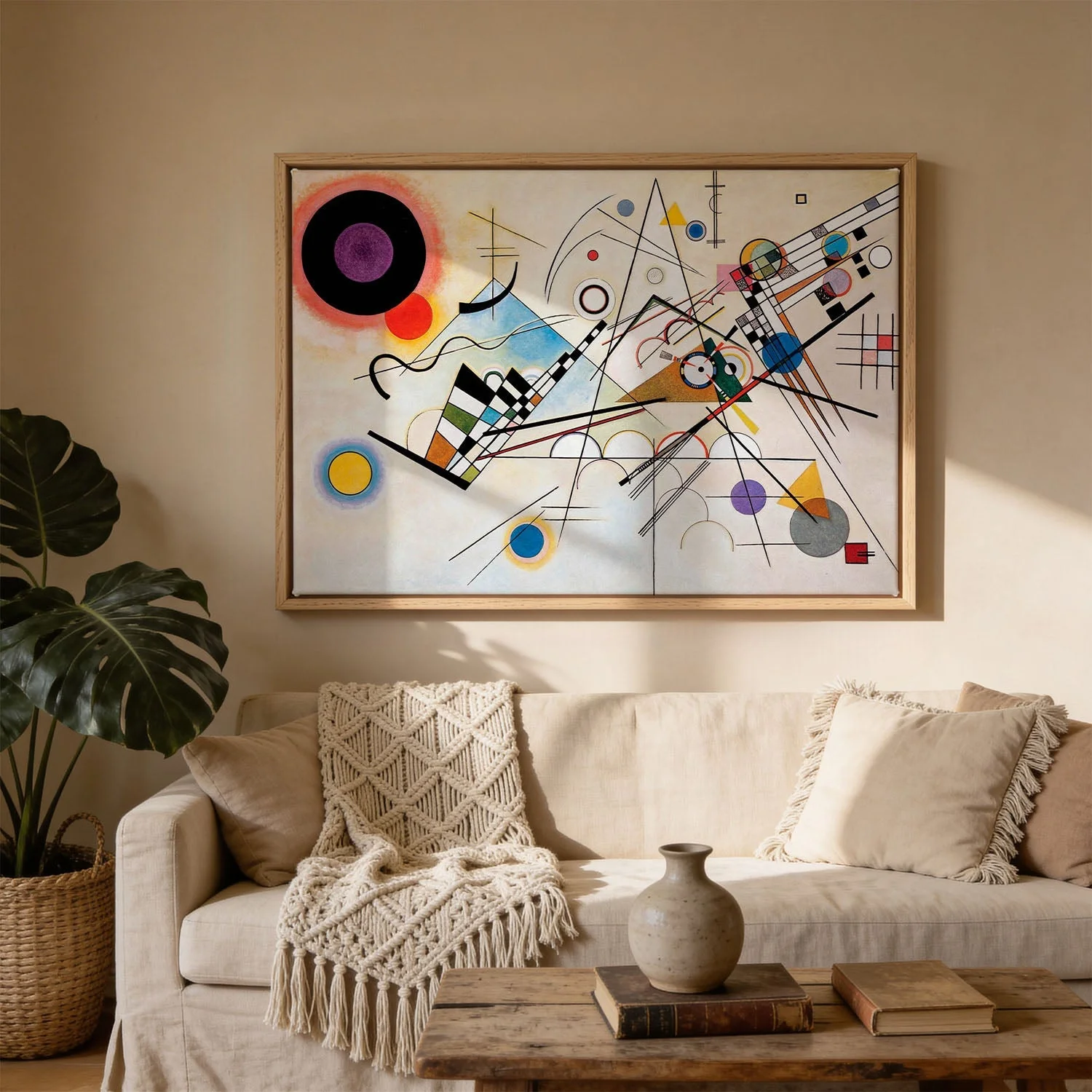
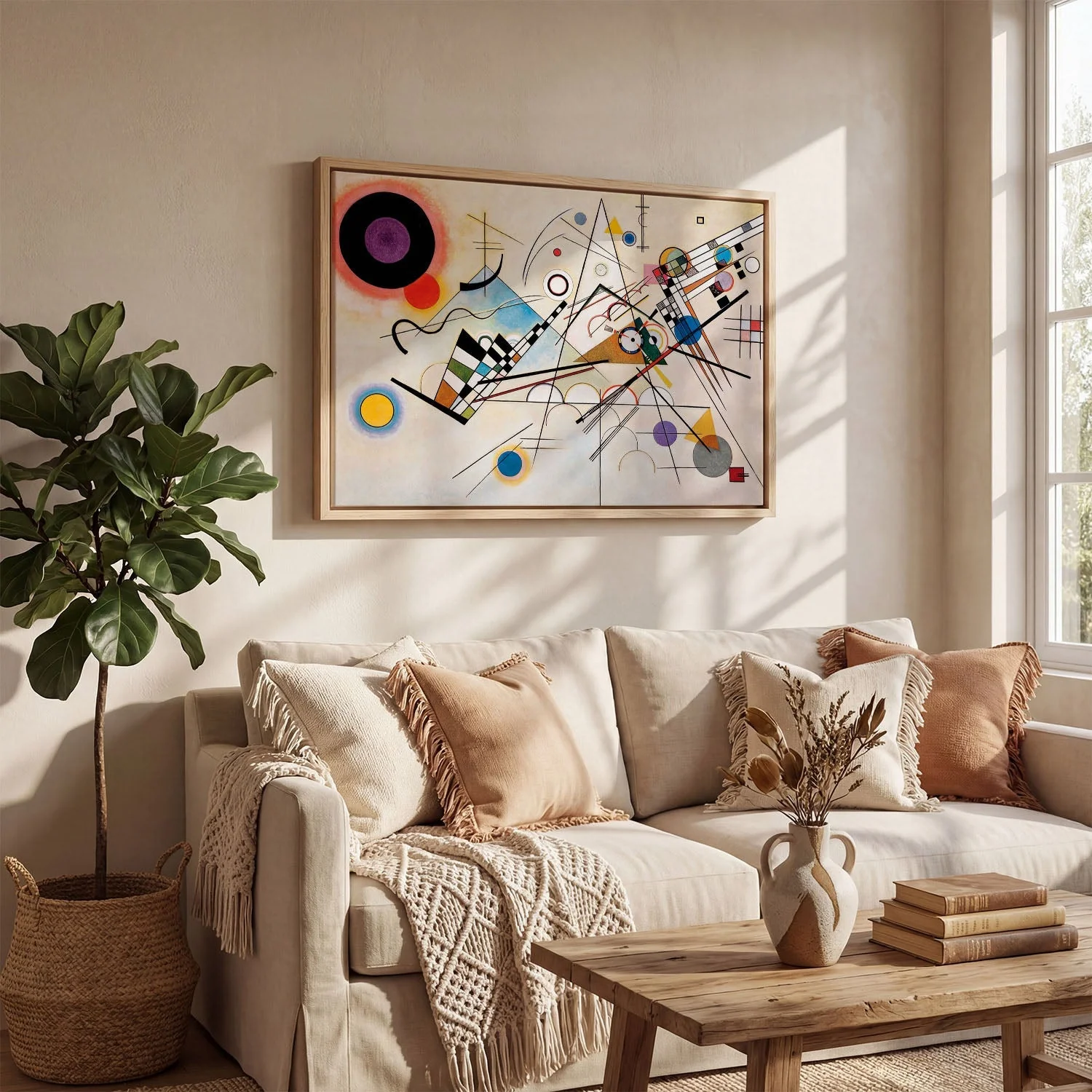
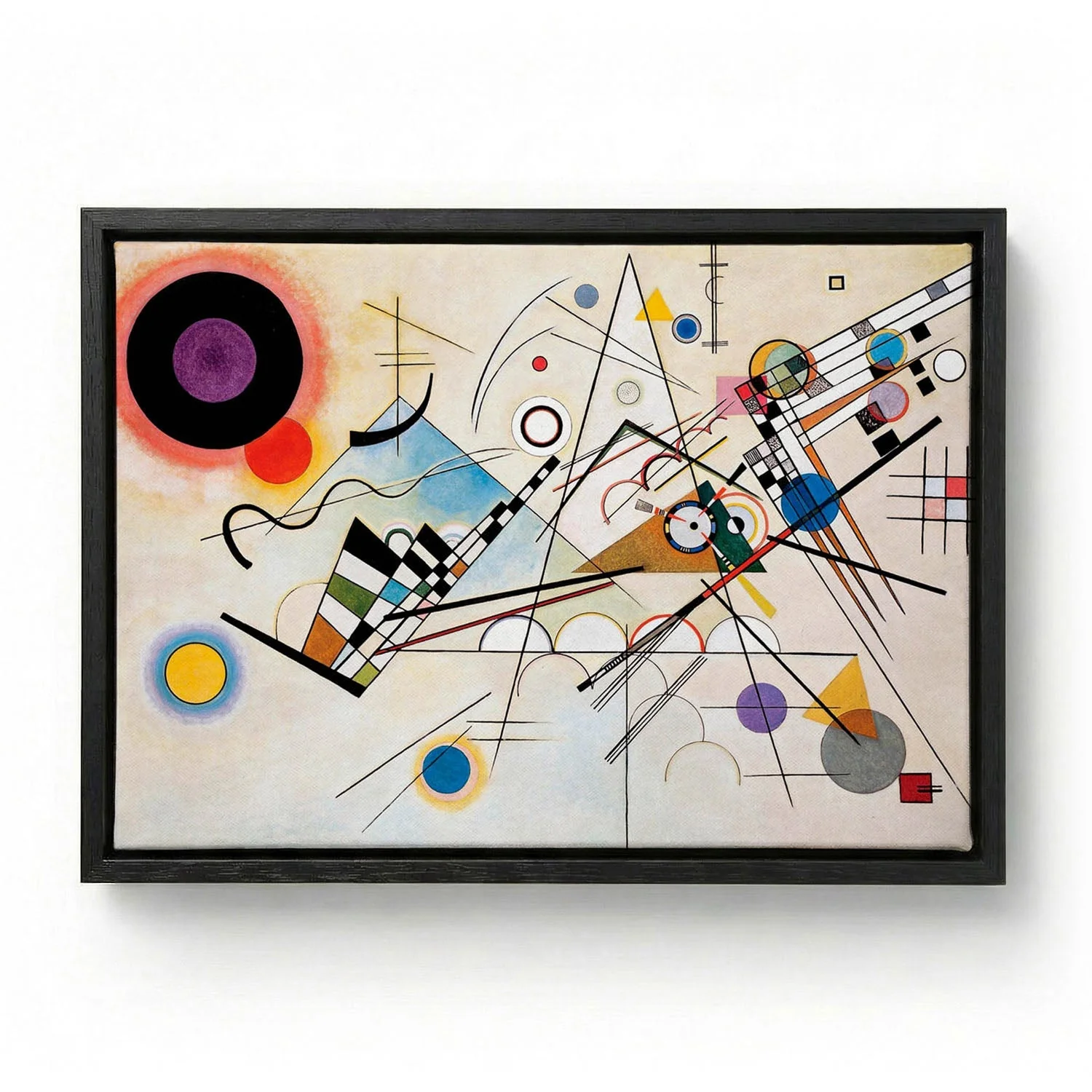
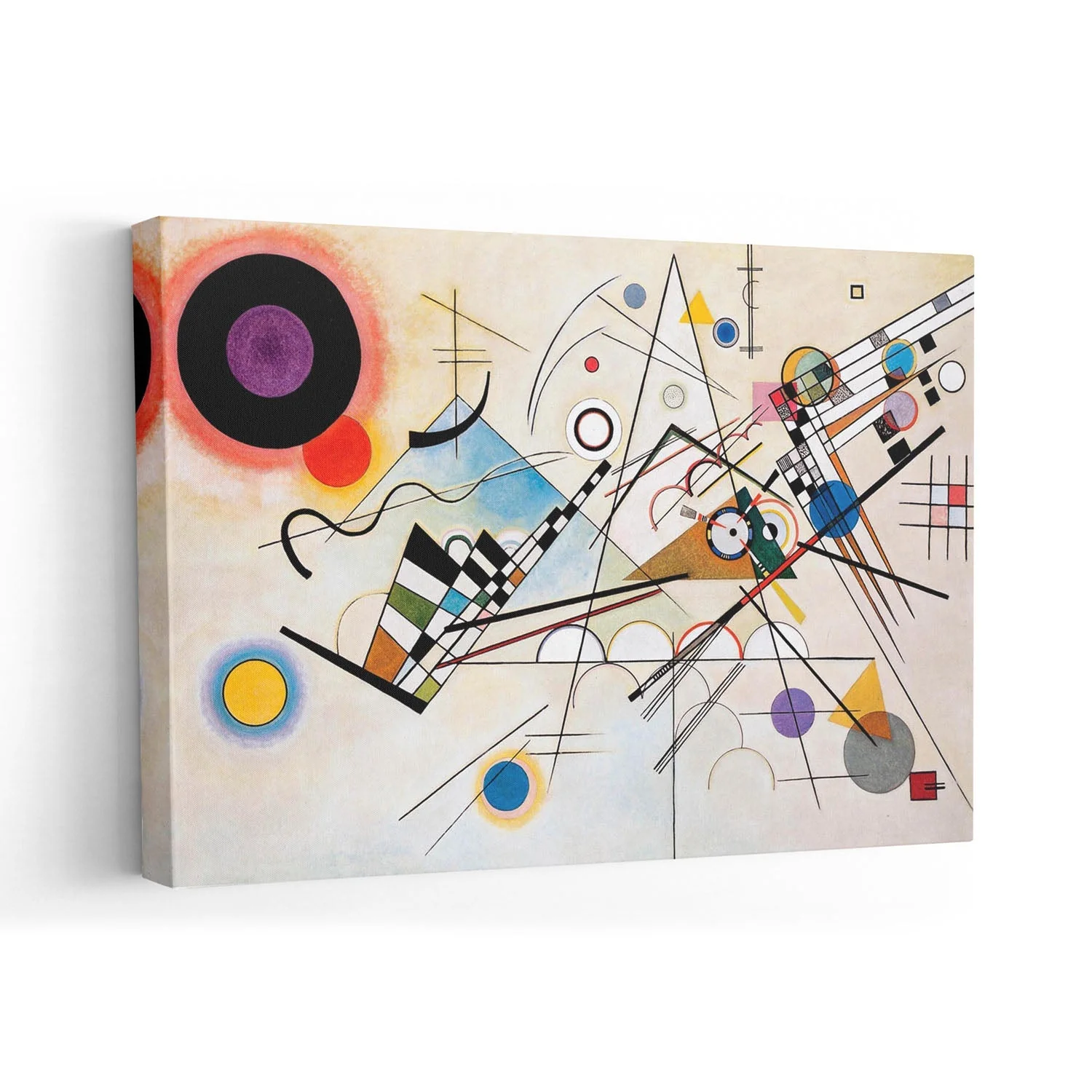
Composition VIII from 1923 stands as one of Wassily Kandinsky's most resolved works — a meticulous orchestration of circles, lines, and triangles that transforms the canvas into a visual score. Painted during his time at the Bauhaus, the work reflects his core belief that form and color could carry emotional weight without any reference to the physical world. The geometric elements interact with the controlled logic of a musical composition, each shape placed with intention.
On canvas, Kandinsky's meticulous geometry gains exactly the surface it was designed for — circles, lines, and triangles deepen against the weave, the white field warms, and the constructivist rigour reads with the object presence of an original stretched work. This canvas print honours the Bauhaus-era ambition of the piece in material terms, not just visual ones.
Original: $44.15
-65%$44.15
$15.45More Images


Composition VIII by Wassily Kandinsky
Composition VIII from 1923 stands as one of Wassily Kandinsky's most resolved works — a meticulous orchestration of circles, lines, and triangles that transforms the canvas into a visual score. Painted during his time at the Bauhaus, the work reflects his core belief that form and color could carry emotional weight without any reference to the physical world. The geometric elements interact with the controlled logic of a musical composition, each shape placed with intention.
On canvas, Kandinsky's meticulous geometry gains exactly the surface it was designed for — circles, lines, and triangles deepen against the weave, the white field warms, and the constructivist rigour reads with the object presence of an original stretched work. This canvas print honours the Bauhaus-era ambition of the piece in material terms, not just visual ones.
Product Information
Product Information
Shipping & Returns
Shipping & Returns
Description
Composition VIII from 1923 stands as one of Wassily Kandinsky's most resolved works — a meticulous orchestration of circles, lines, and triangles that transforms the canvas into a visual score. Painted during his time at the Bauhaus, the work reflects his core belief that form and color could carry emotional weight without any reference to the physical world. The geometric elements interact with the controlled logic of a musical composition, each shape placed with intention.
On canvas, Kandinsky's meticulous geometry gains exactly the surface it was designed for — circles, lines, and triangles deepen against the weave, the white field warms, and the constructivist rigour reads with the object presence of an original stretched work. This canvas print honours the Bauhaus-era ambition of the piece in material terms, not just visual ones.